



 EMERGING TECH
EMERGING TECH
EMERGING TECH
EMERGING TECH

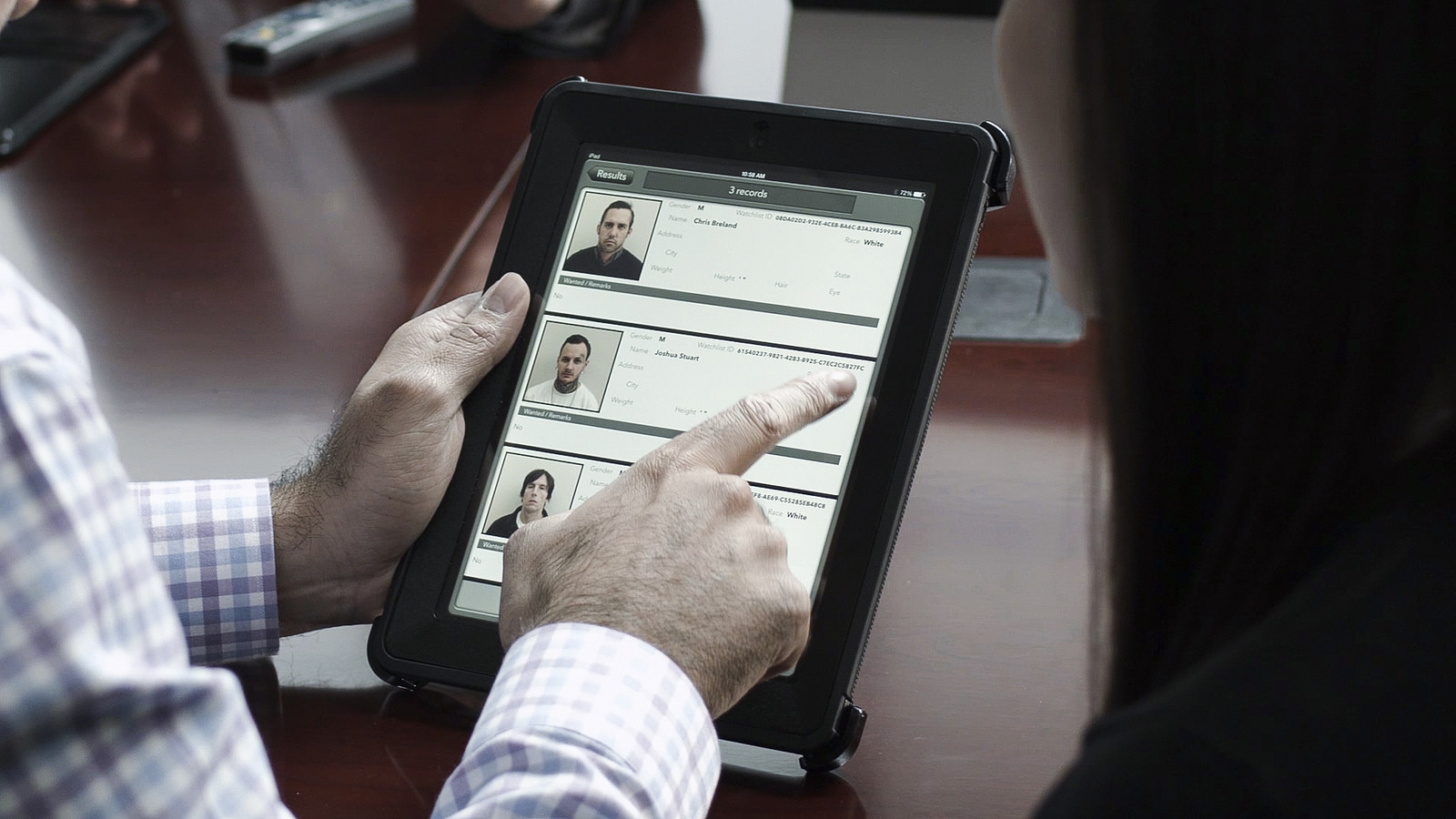
Some 117 million Americans are on the Federal Bureau of Investigation’s facial recognition database without their knowledge or consent, and 80 percent of them are stored as non-criminal entries.
A review by the House Committee on Oversight and Government Reform last week presented some worrying facts on the FBI’s use of the database, which is mostly filled with faces culled from driver’s licenses and passports. The House revealed that the algorithm used to identify matches is wrong a staggering 15 percent of the time. It’s also more likely to give a false positive for black people and women.
Committee Chair Jason Chaffetz said there needed to be oversight of the use of such technology, adding that real-time facial recognition technology that is scanning us as we walk down the street is a cause for concern. In a scathing series of questions, Chaffetz asked what happens if the technology is misused by “nefarious hands,” asking the panel, “Is there any other country that is doing this?”
Although the technology could be helpful in protecting people and property, Chaffetz said that “it can also be used by bad actors to harass or stalk individuals. It can be used in a way that chills free speech and free association by targeting people attending certain political meetings, protests, churches or other types of places in the public.”
The FBI’s Next Generation Identification system was created in 2010 to work alongside the fingerprint database already in use, the main difference being that fingerprints are pulled from a crime scene whereas the facial recognition technology database is mostly populated with faces that are not linked to a crime. The FBI never informed the public about the new database or issued a privacy impact assessment, which is required by law.
In response to this, Rep. John Duncan was curt: “I think we’re reaching a very sad point, a very dangerous point, when we’re doing away with the reasonable expectation of privacy about anything.”
Alvaro Bedoya, executive director of the Center on Privacy and Technology at Georgetown Law, told the committee, “No federal law controls this technology, no court decision limits it. This technology is not under control.”
The Government Accountability Office audited the FBI’s use of the technology in 2015, coming to the conclusion that it lacks accuracy, oversight and accountability. “Innocent people could bear the burden of being falsely accused, including the implication of having federal investigators turn up at their home or business,” the GAO said.
… We’d like to tell you about our mission and how you can help us fulfill it. SiliconANGLE Media Inc.’s business model is based on the intrinsic value of the content, not advertising. Unlike many online publications, we don’t have a paywall or run banner advertising, because we want to keep our journalism open, without influence or the need to chase traffic.The journalism, reporting and commentary on SiliconANGLE — along with live, unscripted video from our Silicon Valley studio and globe-trotting video teams at theCUBE — take a lot of hard work, time and money. Keeping the quality high requires the support of sponsors who are aligned with our vision of ad-free journalism content.
If you like the reporting, video interviews and other ad-free content here, please take a moment to check out a sample of the video content supported by our sponsors, tweet your support, and keep coming back to SiliconANGLE.






