



 NEWS
NEWS
NEWS
NEWS
NEWS

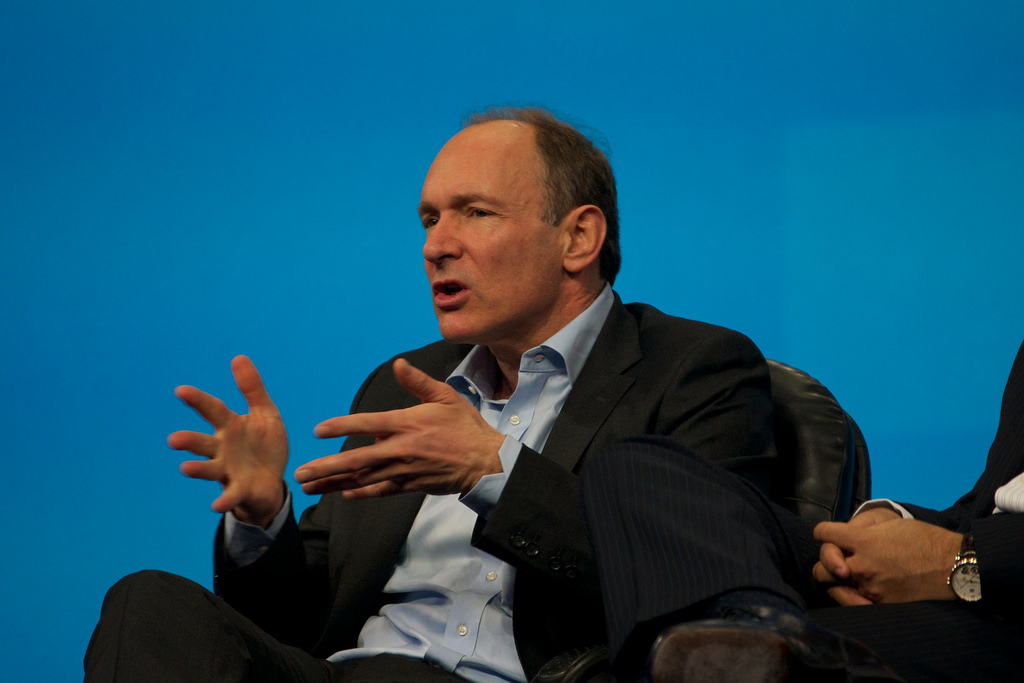
The Association for Computing Machinery on Tuesday made Tim Berners-Lee (pictured), the British-born inventor of the World Wide Web, this year’s winner of the prestigious Turing Award for his achievements in computer science.
The award, which is often referred to as the Nobel Prize for computer science, came with a $1 million cash prize courtesy of Google Inc. “It is hard to imagine the world before Sir Tim Berners-Lee’s invention, ACM President Vicki L. Hanson said in a statement. “In many ways, the colossal impact of the World Wide Web is obvious. Many people, however, may not fully appreciate the underlying technical contributions that make the Web possible.”
Berners-Lee said he was “humbled” after being told he was the recipient of the award, but in multiple interviews he expressed concern for the future of the web. In one such interview with The Guardian, Berners-Lee said the decision to allow Internet Service Providers to sell customers’ browsing history was “disgusting.”
“We are so vulnerable,” Berners-Lee told The Guardian, saying that he was shocked when he first heard about the Republicans’ decision. “There will be a massive pushback, and there must be a massive pushback,” he said.
On the same issue, he told the BBC, “We’re talking about it being just a human right that my ability to communicate with people on the web, to go to websites I want without being spied on is really, really crucial.”
In an interview with Wired, he said consumers would soon be frustrated over the loss of control over their data, saying we could be heading towards a decentralized Internet. “A tipping point could be reached where people will realize ‘that data belongs to me,’” he said.
In the same interview, he talked about how such a “wonderful creation” has become a plexus of untruth and rife with clickbait content. However, he has misgivings about allowing big tech companies such as Google and Facebook Inc. the power to decide what is fake and what is true. He points to the fact that Wikipedia, while not perfect, has succeeded thanks to oversight by a large community editing the site.
… We’d like to tell you about our mission and how you can help us fulfill it. SiliconANGLE Media Inc.’s business model is based on the intrinsic value of the content, not advertising. Unlike many online publications, we don’t have a paywall or run banner advertising, because we want to keep our journalism open, without influence or the need to chase traffic.The journalism, reporting and commentary on SiliconANGLE — along with live, unscripted video from our Silicon Valley studio and globe-trotting video teams at theCUBE — take a lot of hard work, time and money. Keeping the quality high requires the support of sponsors who are aligned with our vision of ad-free journalism content.
If you like the reporting, video interviews and other ad-free content here, please take a moment to check out a sample of the video content supported by our sponsors, tweet your support, and keep coming back to SiliconANGLE.






