



 INFRA
INFRA
INFRA
INFRA
INFRA

A Californian computer engineer has been arrested on an allegation that he stole proprietary stock trading software from his employer.
Thirty-one-year-old Zheng Quan Zhang from Santa Clara was arrested by the Federal Bureau of Investigation on one count of theft of trade secrets on the basis that he stole more than 3 million files of confidential data and computer code from securities trading firm KCG Holdings between March 2016 and March 2017.
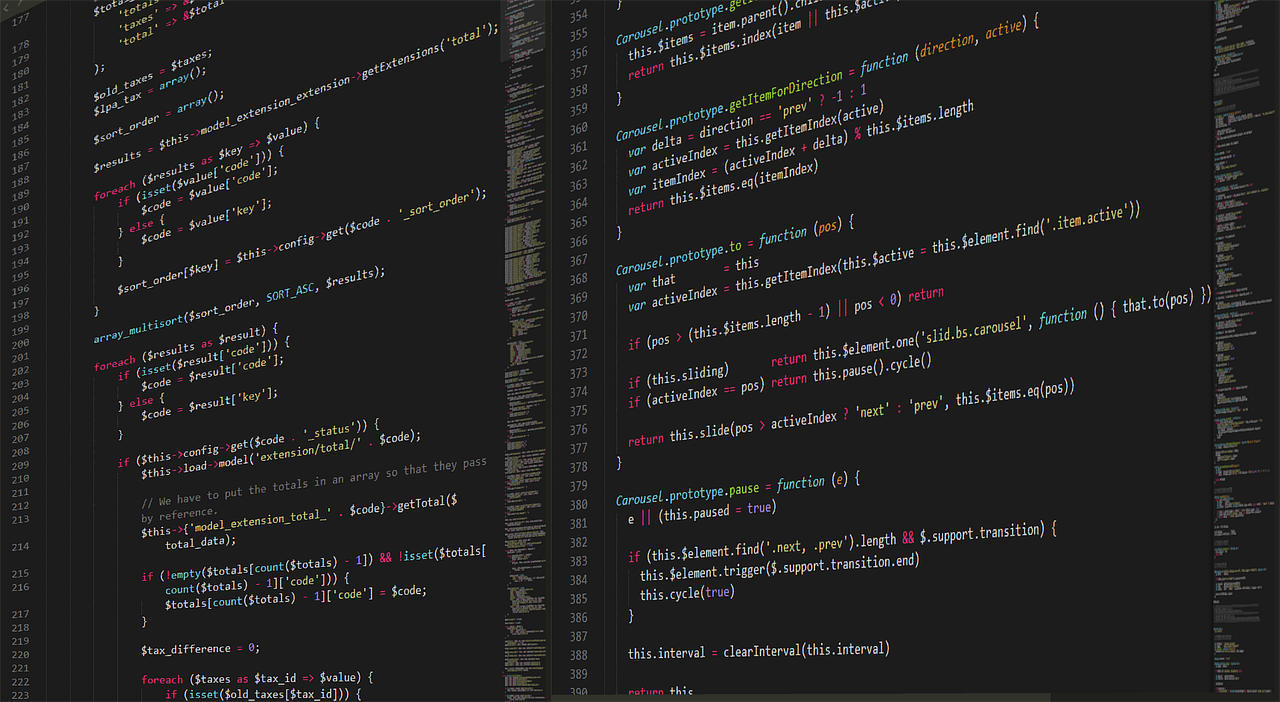
Zhang is alleged to have stolen the company’s source code for algorithmic trading models and trading platforms by creating malware that allowed him to gain access to the company’s network encryption keys. In addition, the Department of Justice alleges, he stored the stolen files on his employer’s network before installing another code to transfer the data to a third-party software development site.
In a statement, FBI Assistant Director-in-Charge William F. Sweeney Jr. argued that the code has value, saying that “proprietary computer code may not be a tangible asset that people can observe, but it is indeed one of the most critical assets that companies possess. Significant investments are made to develop code, safeguard it and use it to generate revenue.”
Joon Kim, acting U.S. Attorney for the Southern District of New York, added that Zhang went to “great lengths to surreptitiously steal confidential computer code from his employer. Zhang allegedly installed code designed to steal his employer’s proprietary information and illegally accessed colleagues’ computer systems to further his theft.”
Algorithms used by securities trading firms are an essential part of everyday business as computers, not humans, handle the majority of trades in 2017. Suffice to say, a decent trading algorithm can make millions, sometimes billions for firms such as KCG, meaning that they are a strongly held company secret.
Zhang faces a maximum sentence of 10 years in prison and a maximum fine of $250,000 or twice the gross gain or loss from the alleged offense.
… We’d like to tell you about our mission and how you can help us fulfill it. SiliconANGLE Media Inc.’s business model is based on the intrinsic value of the content, not advertising. Unlike many online publications, we don’t have a paywall or run banner advertising, because we want to keep our journalism open, without influence or the need to chase traffic.The journalism, reporting and commentary on SiliconANGLE — along with live, unscripted video from our Silicon Valley studio and globe-trotting video teams at theCUBE — take a lot of hard work, time and money. Keeping the quality high requires the support of sponsors who are aligned with our vision of ad-free journalism content.
If you like the reporting, video interviews and other ad-free content here, please take a moment to check out a sample of the video content supported by our sponsors, tweet your support, and keep coming back to SiliconANGLE.






