 INFRA
INFRA
INFRA
INFRA







INFRA

OpenStack’s business prospects may be less than stellar, but the open-source infrastructure project’s history has so many twists, one might assume its fortunes could turn yet again.
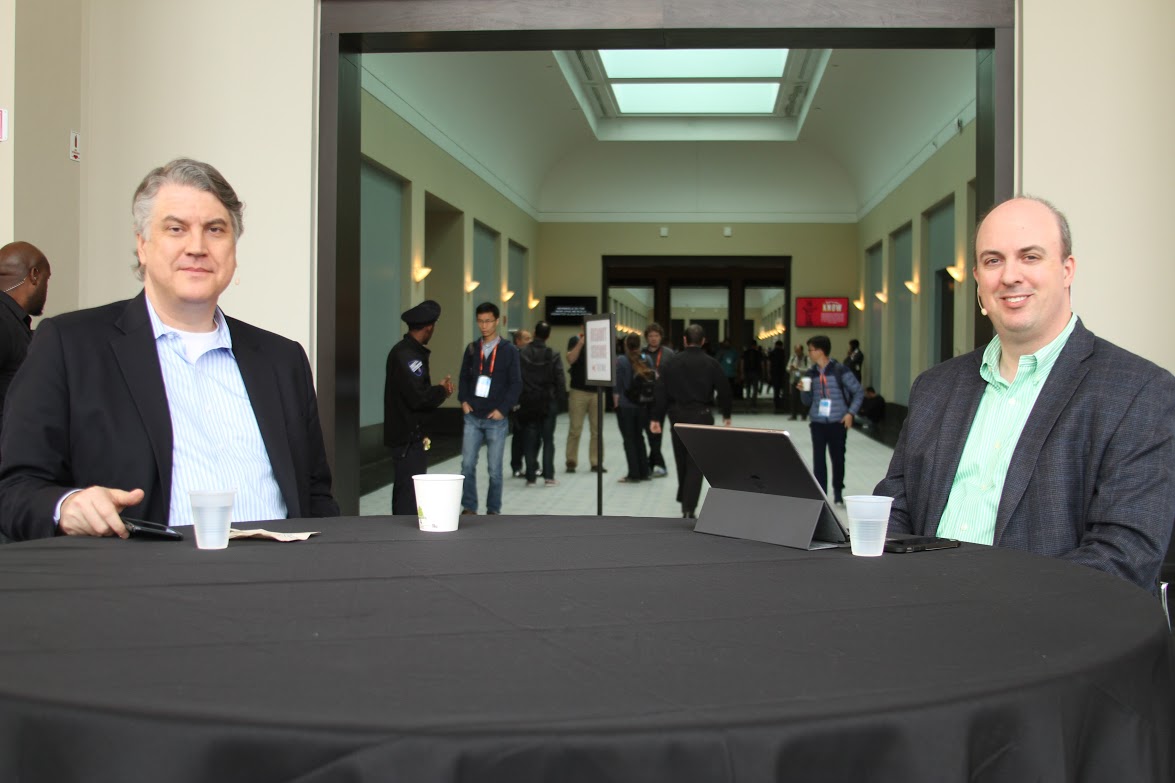
“When this initiative first launched, it was the rocket scientists of NASA and RackSpace down in Texas putting this together,” said Stu Miniman (@stu) (pictured, right), co-host of theCUBE, SiliconANGLE Media’s mobile live streaming studio, in a discussion with guest host John Troyer (pictured, left) (@jtroyer) during the OpenStack Summit in Boston, Massachusetts.
Some analysts saw this as infrastructure companies’ Hail Mary against Amazon.com Inc’s AWS. Seven years later, OpenStack does not come close to Amazon’s market share.
Two years ago, Gartner made its opinion on OpenStack known to the world: “It is a framework on which you build, and this is why people get into trouble: It is a science project, and you need to be aware what you are getting into,” according to Gartner researcher Alan Waite.
And then, almost bizarrely, Gartner spoke at the 2016 OpenStack Summit keynote.
Where on earth does OpenStack place in the market today? According to a venture capitalist Miniman spoke to at the show, the bottom line is that OpenStack is a bit player at best.
“He was like, ‘Stu, I would not invest money in companies that are doing OpenStack as the core for their company,'” Miniman said.
“I don’t think OpenStack as a pure play is realistic for most of the ecosystem,” Troyer agreed.
As for partners, even most of those once bullish about OpenStack have moved on. “HPE Helion [hybrid cloud] was going to be a $1 billion investment, and, boy, they’re not really here all that much. They still do some with OpenStack, but their contributors all moved over to SUSE [an open-source infrastructure company],” Miniman said.
OpenStack does get some play in Red Hat Inc.’s ecosystem, but even that may not be as encouraging as it appears. “They’ve got 500 customers in production, but where that money for OpenStack fits in with everything they’re doing with Red Hat Enterprise Linux; all their other subscriptions, OpenShift and everything else is a little bit difficult to parse out,” Miniman said.
In addition to riding its momentum in telecom, OpenStack’s smartest move might be to abstract the “science project” factor and deliver its technology increasingly as a service, Troyer stated.
“Somebody still has to manage the infrastructure, the storage, the networking, the resiliency, the management of that layer,” he said. OpenStack could market itself as a stratum of support for newer, sexier but less stable technologies on top, Troyer concluded.
Watch the complete video interview below, and be sure to check out more of SiliconANGLE’s and theCUBE’s independent editorial coverage of OpenStack Summit 2017 Boston.
Support our mission to keep content open and free by engaging with theCUBE community. Join theCUBE’s Alumni Trust Network, where technology leaders connect, share intelligence and create opportunities.
Founded by tech visionaries John Furrier and Dave Vellante, SiliconANGLE Media has built a dynamic ecosystem of industry-leading digital media brands that reach 15+ million elite tech professionals. Our new proprietary theCUBE AI Video Cloud is breaking ground in audience interaction, leveraging theCUBEai.com neural network to help technology companies make data-driven decisions and stay at the forefront of industry conversations.





