 INFRA
INFRA
INFRA
INFRA







INFRA

Nutanix Inc. began life as an application on top of VMware Inc., and after a few tumultuous years, its Initial Public Offering netted $238 million last September. Now the converged infrastructure company is setting sights higher.
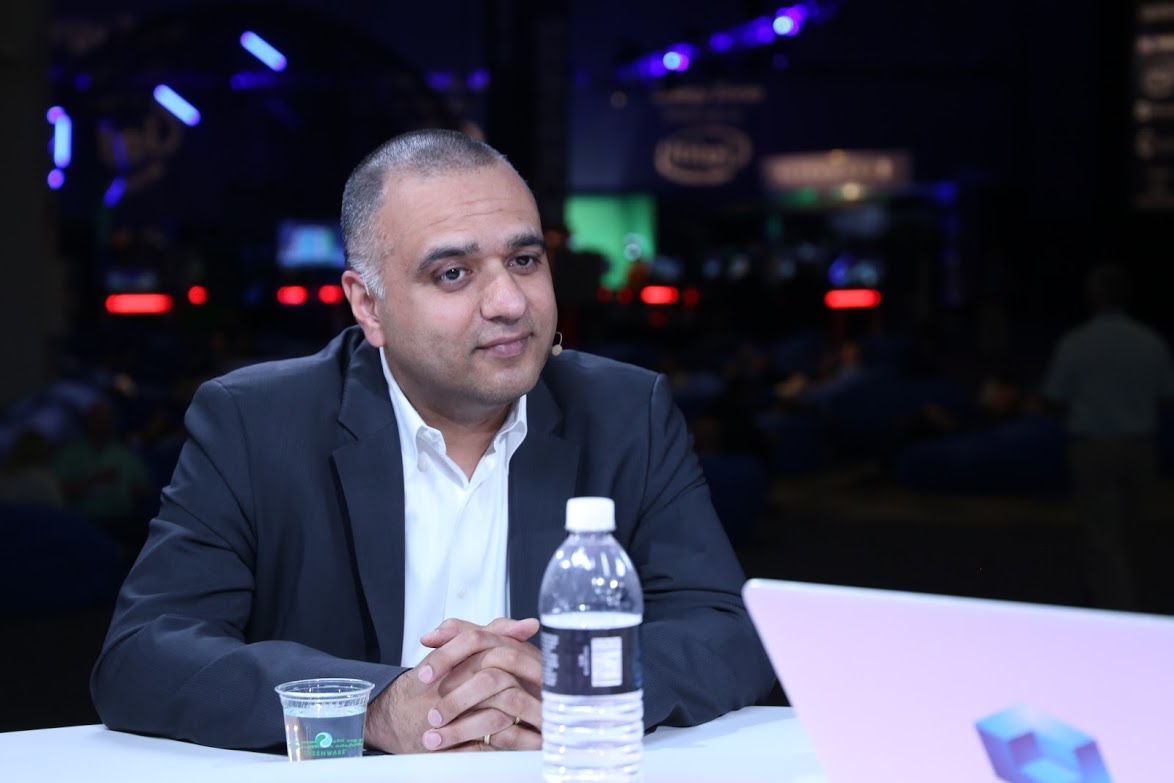
“Every decade and a half, there’s a new operating system that emerges; the question is, can we be the operating system that actually straddles the clouds?” asked Dheeraj Pandey (pictured), chief executive officer of Nutanix Inc.
In an interview with host John Furrier (@furrier) and guest host Keith Townsend (@CTOAdvisor), of theCUBE, SiliconANGLE Media’s mobile live streaming studio, during Dell EMC World in Las Vegas, Nevada, Pandey conceded that the goal of becoming the Microsoft Windows OS of today may seem inflated. (* Disclosure below.)
The rate at which operating systems, and everything else in tech, are replaced or demoted has surely rocketed since Windows was king of the hill. Nutanix has future-proofed itself by taking Microsoft’s cues in some respects, but decidedly not in others, Pandey explained.
“We can’t have the platform hubris that stagnated Microsoft for 10 years,” he said, referring to its all-Windows strategy that users became fed up with eventually. “We will never make it all about AHV,” he said, referring to Nutanix’s Acropolis Hypervisor, which is pairable with the Acropolis Operating System.
APIs were Microsoft’s strong suit in the 1990s and allowed it to thrive despite shoddy malware and other flaws, Pandey stated. Nutanix will remain API-centric to ensure that even with hyper-converged packages, customers still have options.
“Prism is an app to manage your data center, but we have APIs, so you can actually integrate with ServiceNow and even [VMware Operations Managers] vCenter and vRealize automation and so on,” he said.
Winding down the history lesson and facing the future, Pandey said Nutanix is sharpening its focus more than ever on the application-first approach integral to digital transformation. It wants to prime all parts of converged infrastructure (including storage, Nutanix’s “stickiest” component) for applications.
“You start thinking about working the whole body of the app itself, including micro-segmentation, and things like that,” Pandey concluded.
Watch the complete video interview below, and be sure to check out more of SiliconANGLE’s and theCUBE’s independent editorial coverage of Dell EMC World 2017. (* Disclosure: TheCUBE is a paid media partner for Dell EMC World. Neither Dell nor other sponsors have editorial influence on content on theCUBE or SiliconANGLE.)
Support our mission to keep content open and free by engaging with theCUBE community. Join theCUBE’s Alumni Trust Network, where technology leaders connect, share intelligence and create opportunities.
Founded by tech visionaries John Furrier and Dave Vellante, SiliconANGLE Media has built a dynamic ecosystem of industry-leading digital media brands that reach 15+ million elite tech professionals. Our new proprietary theCUBE AI Video Cloud is breaking ground in audience interaction, leveraging theCUBEai.com neural network to help technology companies make data-driven decisions and stay at the forefront of industry conversations.





