



 EMERGING TECH
EMERGING TECH
EMERGING TECH
EMERGING TECH

Google Inc. wants a bigger slice of the burgeoning virtual reality market. To that end, the search giant announced at its I/O Conference Wednesday that it is working on standalone VR headsets with HTC Corp. and Lenovo Group Ltd.
The headsets, to be based on Google’s Daydream VR platform announced a year ago, features a new tracking technology called WorldSense that enables positional tracking. That means it can track headset movements in space, without the need for an external sensor.
In addition, the headsets will be truly standalone, in that they will not only not require using a smartphone or tethering to a personal computer to operate, such as is currently the case with Facebook Inc.-owned Oculus Rift and the HTC Vive.
Qualcomm Inc. is also participating in the development of the headsets, but aside from working with Google to create a standalone headset reference design, which partners can use as a blueprint to build from, it’s not clear whether the deal includes chip supply as well. However, the reference design is based on the Snapdragon 835 chipset.
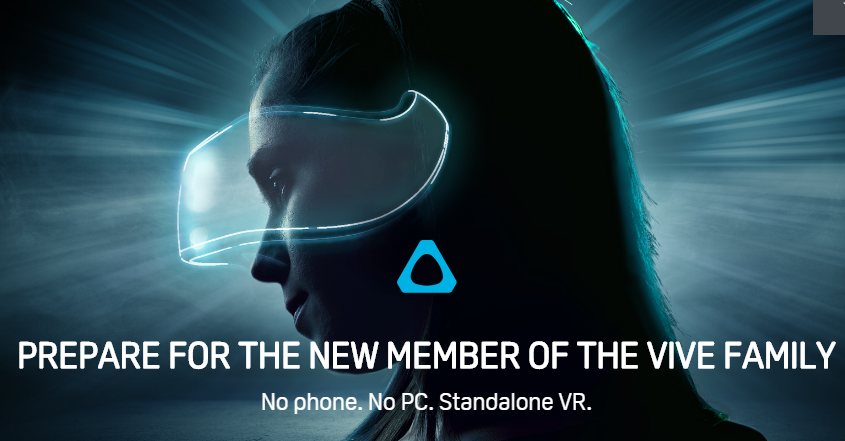
The first standalone headset to be launched comes from HTC and will be known as the “Vive Standalone.” The teaser page for the product is currently fairly light on specific details. But the company, better-known for its manufacture of Android phones, said in a statement that “Vive represents the best VR experience in market, whether it is PC-powered or stand-alone devices. We’ve been working with developers and consumers for years to ensure Vive offers the best VR solution, no matter what form it takes.”
A time frame for when the new devices will be available was not given, but a prototype was demonstrated at the conference and was described by The Verge as being “clunky, but producing a better experience than the Gear VR or Daydream.”
Patrick Moorhead, president and principal analyst with Moor Insights & Strategy, said that the design “doesn’t solve the biggest issues with VR,” which include cheap enough devices that still have realistic movement without nausea-inducing lag, “but it does improve over smartphone VR.”
Google is expected to make more announcements in regards to VR and augmented reality on day two of its I/O Conference Thursday.
… We’d like to tell you about our mission and how you can help us fulfill it. SiliconANGLE Media Inc.’s business model is based on the intrinsic value of the content, not advertising. Unlike many online publications, we don’t have a paywall or run banner advertising, because we want to keep our journalism open, without influence or the need to chase traffic.The journalism, reporting and commentary on SiliconANGLE — along with live, unscripted video from our Silicon Valley studio and globe-trotting video teams at theCUBE — take a lot of hard work, time and money. Keeping the quality high requires the support of sponsors who are aligned with our vision of ad-free journalism content.
If you like the reporting, video interviews and other ad-free content here, please take a moment to check out a sample of the video content supported by our sponsors, tweet your support, and keep coming back to SiliconANGLE.






