



 APPS
APPS
APPS
APPS
APPS

One of the interesting developments emerging from open-source computing ecosystems is a change from a ‘winner-take-all’ mentality to an understanding that many enterprises can flourish and profit together, even symbiotically.
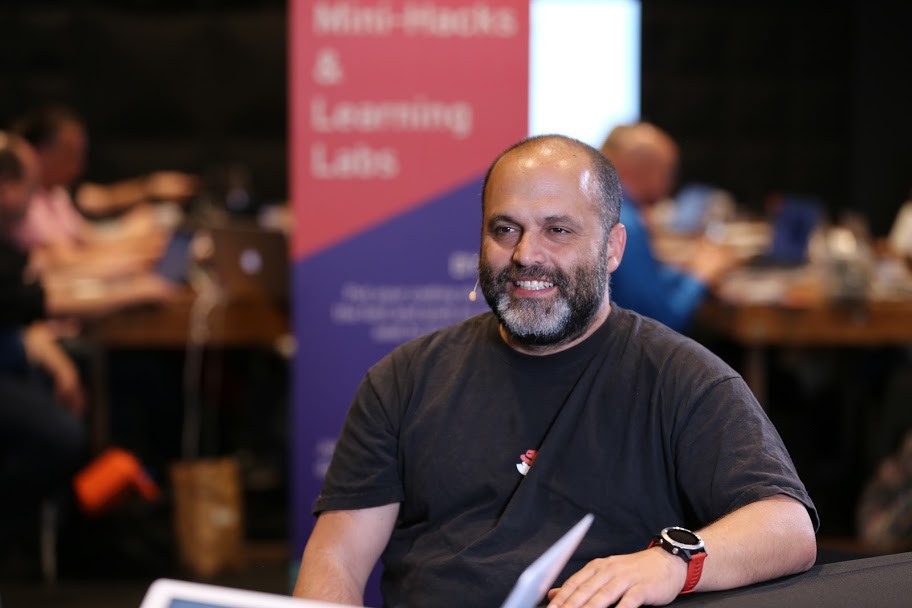
The strength comes not from any one company and its hardware/software solutions; instead, it is the combination of the strongest suits from multiple companies, working together harmoniously, that can create the best solution for an enterprise, according to Steven Pousty (pictured), lead developer advocate at Red Hat Inc.
“There’s no right or wrong about where you are in the ecosystem; there’s what it right for your business problem,” Pousty said.
Pousty recently joined John Furrier (@furrier) and Peter Burris (@plburris), co-hosts of theCUBE, SiliconANGLE Media’s mobile live streaming studio, during Cisco DevNet Create 2017, held in San Francisco, California.
In addition to discussing the industry’s evolving stance on open source, the trio also discussed how niche differentiation works in information technology much as it does in ecological systems. (* Disclosure below.)
Microsoft, which historically has denounced open source, today wholeheartedly embraces it. At the recent Red Hat Summit, Pousty served as the Red Hat representative for the Microsoft keynote, demonstrating several iterations of Microsoft hardware. First, he demonstrated Microsoft’s .NET Core running in Red Hat’s OpenShift container application platform on a Linux machine. Then he operated Microsoft’s SQL Server running in containers on OpenShift.
Since Red Hat and Microsoft are both involved in Kubernetes, an open-source system for automating deployment, scaling and management of containerized applications, for Pousty’s final demo, he showed a Windows container spinning up Microsoft IIS web server orchestrated from Linux OpenShift. He explained that the Linux OpenShift server was talking to and spinning up Windows containers on the fly.
“It’s definitely a sea change,” Pousty stated.
Watch the complete video interview below, and be sure to check out more of SiliconANGLE’s and theCUBE’s independent editorial coverage of Cisco DevNet Create 2017. (* Disclosure: TheCUBE is a paid media partner for Cisco DevNet Create. Neither Cisco DevNet nor other sponsors have editorial influence on theCUBE or SiliconANGLE.)
… We’d like to tell you about our mission and how you can help us fulfill it. SiliconANGLE Media Inc.’s business model is based on the intrinsic value of the content, not advertising. Unlike many online publications, we don’t have a paywall or run banner advertising, because we want to keep our journalism open, without influence or the need to chase traffic.The journalism, reporting and commentary on SiliconANGLE — along with live, unscripted video from our Silicon Valley studio and globe-trotting video teams at theCUBE — take a lot of hard work, time and money. Keeping the quality high requires the support of sponsors who are aligned with our vision of ad-free journalism content.
If you like the reporting, video interviews and other ad-free content here, please take a moment to check out a sample of the video content supported by our sponsors, tweet your support, and keep coming back to SiliconANGLE.






