



 INFRA
INFRA
INFRA
INFRA
INFRA

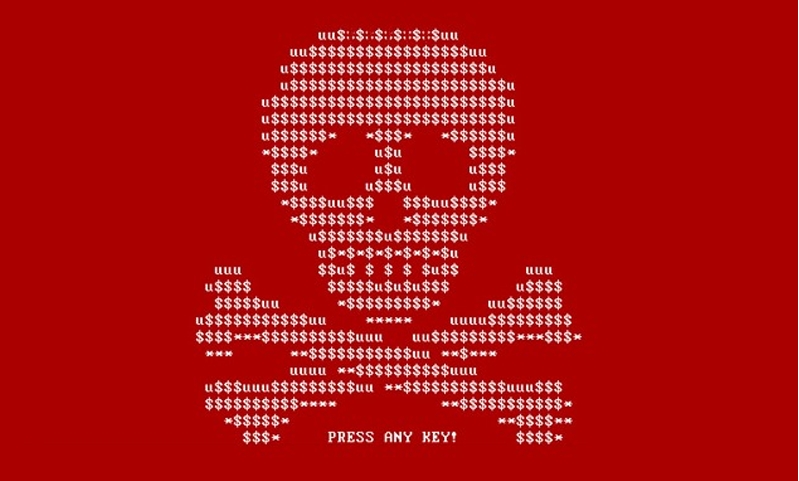
The hackers behind the NotPetya malware that made headlines in late June are back in the news again.
Now, the group is asking for a payment of 100 bitcoin ($256,000) for a decryption key for the malware despite security experts suggesting that NotPetya was never ransomware to begin with.
The demand was made in statements posted by those behind the malware on DeepPaste (this link requires Tor software to access) and Pastebin, two services popular with hackers wanting to make statements. “Send me 100 bitcoins and you will get my private key to decrypt any harddisk (except boot disks),” the statement reads, along with multiple addresses including two linked files, a Tor website address and various key authentication links.
In an interview with Motherboard, an alleged hacker linked to the group said that the price was high because the key on offer was “to decrypt all computers” infected with the malware. “It means that whoever posted this message has [a] private key to decrypt the data encrypted by the NotPetya malware,” Anton Cherepanov, a senior researcher at ESET spol. s r.o., told Forbes.
In another twist, the malware, alleged to have been a “wiper” in that allegedly deletes boot disk files may actually be a form of ransomware instead. Cherapanov claimed that the boot files have just been encrypted using a different method. “With this key it is possible to decrypt only files, but not boot disks. Because in the case of boot disk a different encryption method is used,” he added.
In related news, the same people behind the spread of NotPetya are also said to have moved payments they have received from their primary bitcoin wallet. Totaling 3.96 bitcoin ($10,309), the transfer saw the coins transferred to a new address of unknown origin.
The group’s reemergence online follows a raid by Ukrainian police against a company called Intellect Service that sells accounting software that is alleged to have been ground zero for the spread of NotPetya.
It’s not clear whether those behind the company were related to the creation of NotPetya or whether they were unwitting pawns in the attack. However, Ukranian police claim that the company was working with Russia to “undermine Ukrainian sovereignty” and that “they knew there was a virus in their software but didn’t do anything” about it.
… We’d like to tell you about our mission and how you can help us fulfill it. SiliconANGLE Media Inc.’s business model is based on the intrinsic value of the content, not advertising. Unlike many online publications, we don’t have a paywall or run banner advertising, because we want to keep our journalism open, without influence or the need to chase traffic.The journalism, reporting and commentary on SiliconANGLE — along with live, unscripted video from our Silicon Valley studio and globe-trotting video teams at theCUBE — take a lot of hard work, time and money. Keeping the quality high requires the support of sponsors who are aligned with our vision of ad-free journalism content.
If you like the reporting, video interviews and other ad-free content here, please take a moment to check out a sample of the video content supported by our sponsors, tweet your support, and keep coming back to SiliconANGLE.






