



 EMERGING TECH
EMERGING TECH
EMERGING TECH
EMERGING TECH

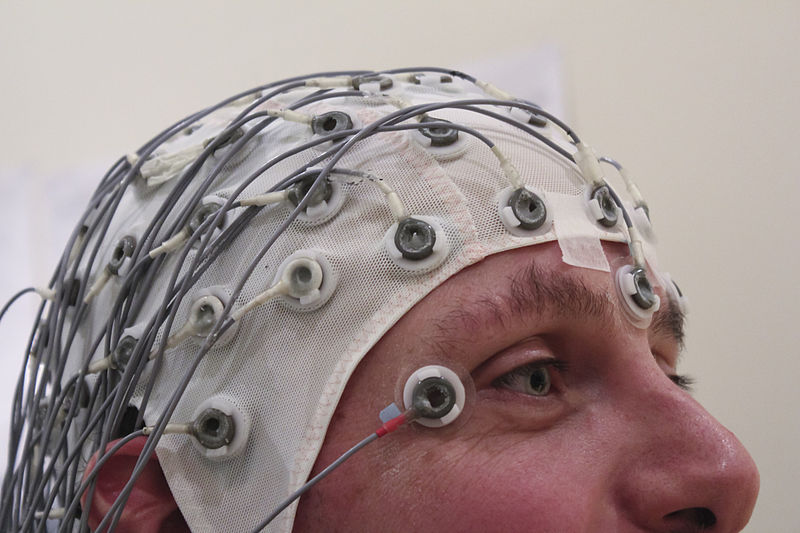
Computer interfaces that allow human brains to control devices or provide direct data input to a user from a computer have long been a staple of science fiction. Now, new research suggests it may not be all that far off.
Funded by the famed Defense Advanced Research Projects Agency to the tune of $65 million, five research organizations and one company have been tapped to support the agency’s Neural Engineering System Design program that aims to research and develop a high-resolution neural interface. Brown University, Columbia University, The Seeing and Hearing Foundation, the John B. Pierce Laboratory, Paradromics Inc, and the University of California at Berkeley will be working with DARPA on neural systems for vision, hearing and speech.
The research and development is aiming to design an “implantable system that provides precision communication between the brain and the digital world,” the agency said in a statement Monday. “Such an interface would convert the electrochemical signaling used by neurons in the brain into the ones and zeros that constitute the language of information technology, and do so at far greater scale than is currently possible.”
Military applications naturally come to mind, but the technology would deliver humanitarian outcomes in terms of assisting those with disabilities. “The work has the potential to significantly advance scientists’ understanding of the neural underpinnings of vision, hearing, and speech and could eventually lead to new treatments for people living with sensory deficits,” the agency added. Put more simply, the outcome of the research could potentially allow the blind to see and the deaf to hear.
The research will be split into two phases. The first will focus on hardware, software and neuroscience, including testing on animals. The second phase includes further study, progress in miniaturization and integration, with attention to future regulatory approval. As part of that phase, the agency and its partners will work with the Food and Drug Administration to explore issues such as long-term safety, privacy, information security and compatibility with other devices.
At this stage the planned technology will not be able to input data into a human brain, only allow a brain to understand a digital input. But in theory, a successful computer brain interface, even a rudimentary one that facilitates vision and hearing, is the first step on the way to an age where humans will be able to upgrade themselves using technology.
… We’d like to tell you about our mission and how you can help us fulfill it. SiliconANGLE Media Inc.’s business model is based on the intrinsic value of the content, not advertising. Unlike many online publications, we don’t have a paywall or run banner advertising, because we want to keep our journalism open, without influence or the need to chase traffic.The journalism, reporting and commentary on SiliconANGLE — along with live, unscripted video from our Silicon Valley studio and globe-trotting video teams at theCUBE — take a lot of hard work, time and money. Keeping the quality high requires the support of sponsors who are aligned with our vision of ad-free journalism content.
If you like the reporting, video interviews and other ad-free content here, please take a moment to check out a sample of the video content supported by our sponsors, tweet your support, and keep coming back to SiliconANGLE.







