



 EMERGING TECH
EMERGING TECH
EMERGING TECH
EMERGING TECH

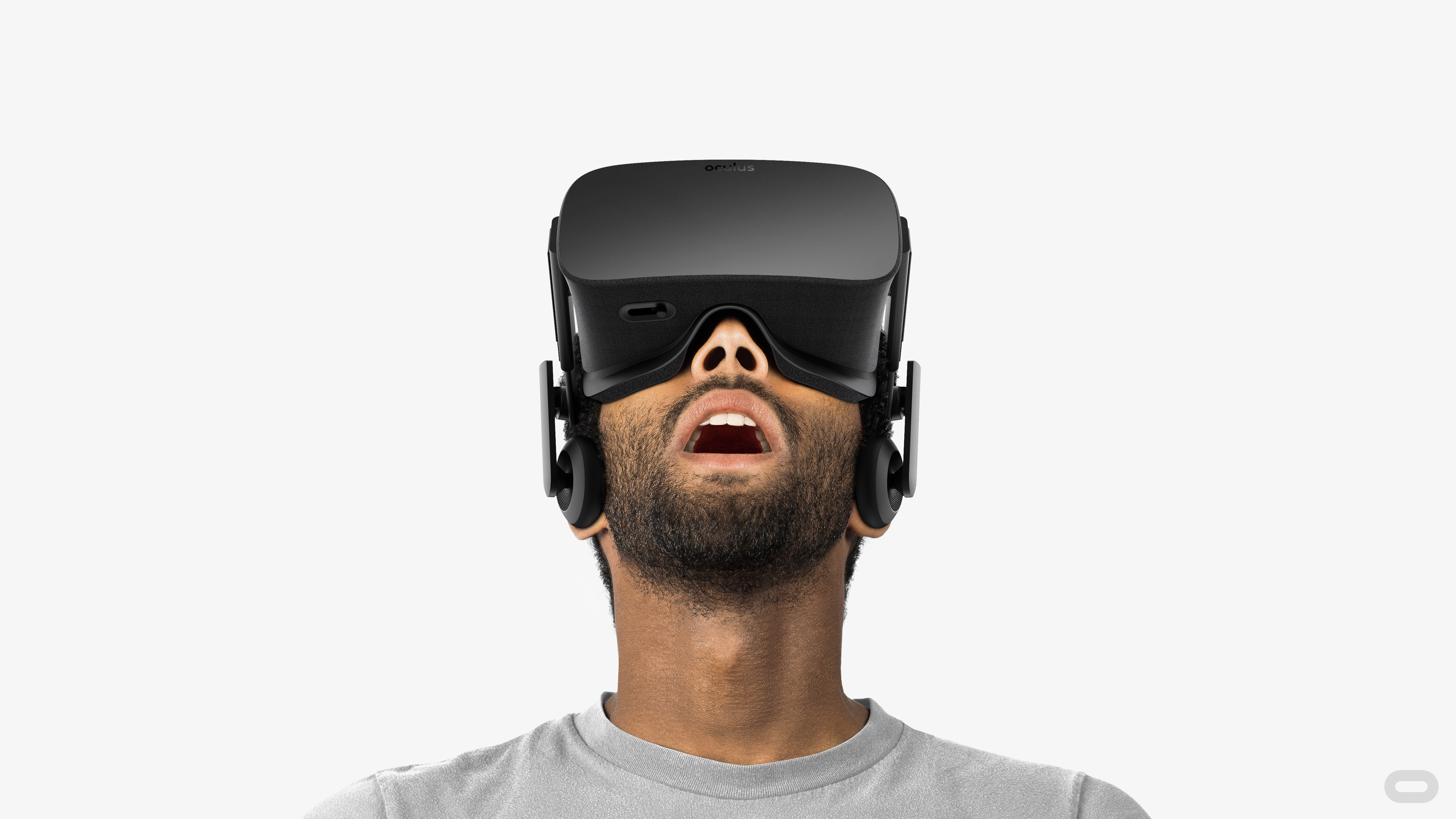
Facebook Inc. has plans to unveil a new standalone virtual reality headset with an affordable price tag of $200 later this year that will begin shipping in 2018.
According to a report from Bloomberg, the headset’s code name is “Pacific.” This report follows Facebook’s recent efforts to make its Oculus Rift headset cheaper to enhance sales of the headset. In March, Oculus dropped the price of the Rift bundle to $598 – a price $200 cheaper than its original release price. Then a few days ago Facebook temporarily dropped the price another $200, during its ‘Summer of Rift’ sale, to $399.
The planned headset also differs from the current Rift VR head-mounted display in that it would be a standalone device, meaning that it would not require a computer or a smartphone to operate.
The current crop of tethered VR devices either require an expensive, top-of-the-line PC or console to run such as the Oculus Rift, HTC Vive – costing between $400 and $800 for the rig (not including the expense of the PC). Headsets that use smartphones as screens are much cheaper – running between $40 and $80 such as Google Daydream and Samsung Gear – but still require an expensive phone to work, often calling for price tags in excess of $600.
This planned headset differs from the current crop of devices in that it will be an all-in-one headset that would include its own screen and not require a PC, console or smartphone to run.
The device will resemble a compact version of the Oculus Rift headset and is planned as lighter than the Samsung Gear VR headset. Although details on the planned device are thin and the end product could change significantly before it is finally revealed.
While Bloomberg cited anonymous sources for the standalone VR headset plans, Oculus spokesman Alan Cooper said in an emailed statement: “We don’t have a product to unveil at this time, however we can confirm we’re making several significant technology investments in the standalone VR category.”
During last year’s Oculus developer conference in October, Facebook Chief Executive Officer Mark Zuckerberg also confirmed plans: “We’re working on this.” Although he added that at the time it was still early, at the time the company had “a demo” for what he believed was a “sweet spot” between tethered VR headsets and mobile headsets.
According to Bloomberg, Facebook plans to partner with China-based Xiaomi Inc. and use its network of manufacturers to produce the new device for global distribution. While the company plans to keep the Oculus branding for the rest of the world, it would feature Xiaomi branding and run with Xiaomi software in the Chinese version.
Facebook also plans to use the Snapdragon mobile chip from Qualcomm Technologies Inc. The mobile technology maker has been developing its Snapdragon chip series over the past year – such as the Snapdragon 835 — with better VR-centric technology for inclusion in upcoming smartphones and Android VR headsets.
This report about Facebook’s plans to come to market with an all-in-one headset follows intentions telegraphed by competitors to do the same including one from Qualcomm. In September, the company announced the developer kit for its Snapdragon VR280 headset – an Android-based all-in-one standalone head-mounted display based on Qualcomm’s 280 mobile processor.
Earlier this month, rumors surfaced of a similar standalone headset developed by Samsung Electronics Co. Ltd. – the Exynos III HMD – revealed during a secretive developer meeting at Mobile World Congress 2017.
… We’d like to tell you about our mission and how you can help us fulfill it. SiliconANGLE Media Inc.’s business model is based on the intrinsic value of the content, not advertising. Unlike many online publications, we don’t have a paywall or run banner advertising, because we want to keep our journalism open, without influence or the need to chase traffic.The journalism, reporting and commentary on SiliconANGLE — along with live, unscripted video from our Silicon Valley studio and globe-trotting video teams at theCUBE — take a lot of hard work, time and money. Keeping the quality high requires the support of sponsors who are aligned with our vision of ad-free journalism content.
If you like the reporting, video interviews and other ad-free content here, please take a moment to check out a sample of the video content supported by our sponsors, tweet your support, and keep coming back to SiliconANGLE.






