



 INFRA
INFRA
INFRA
INFRA
INFRA

Nothing is sacred when it comes to potential targets for hackers. A newly identified security risk takes potential hacking quite literally out to sea in the form of ships.
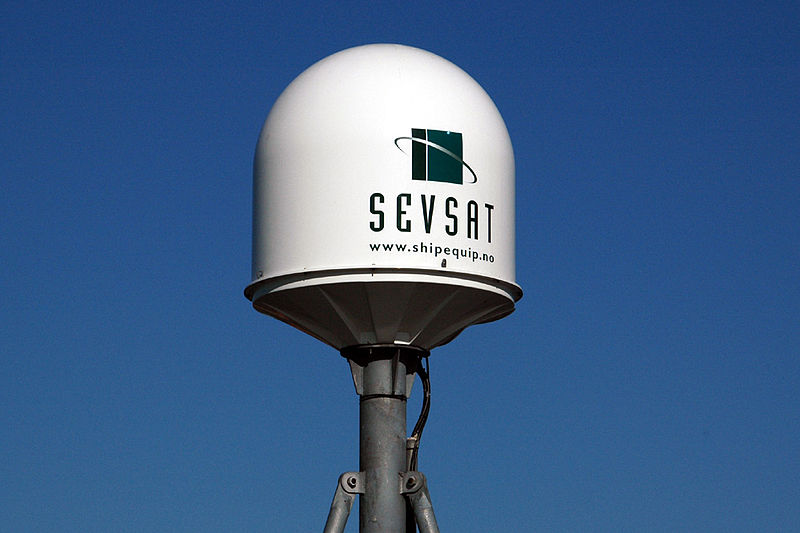
Detailed by a security researcher by the name of “x0rz” on Twitter, the configuration of certain satellite antenna systems on ships leaves them wide open to attack. Using the Shodan search engine, xorz was able to track the location of ships using Very Small Aperture Terminal satellite communications systems and then access those systems using default login details over the public Internet.
In an interview with The Next Web, xorz said that while “no ships were harmed during [his] experiments” anyone with nefarious intent could have caused harm as system access would allow them to review the call history from the VSAT phone, change the system settings and even upload new firmware. That may not sound terribly bad, but xorz added that the VSAT system “might be connected to other onboard devices — maybe more critical.” In theory, that means the VSAT system could be used as a gateway to gain access to a ship’s broader onboard network, allowing a hacker to cause considerably more harm.
Doomsday scenarios of hackers accessing cargo or military ships may sound like a thing of science fiction. But it has already proven in the past, albeit using different techniques. According to a report published by Hellenic Shipping News, researchers from the University of Texas demonstrated in July 2013 that it is possible to change a vessel’s direction by interfering with its GPS signal. In another example, a hacker caused a floating oil platform located off the coast of Africa to tilt to one side, forcing it to temporarily shut down. The same report noted that hackers gaining access to ships could result in physical loss of or damage to ships, physical injury to crew, loss of cargo, pollution and business interruption.
It’s interesting to note that VSAT communication platforms are also used by some aircraft as well, meaning that it may not just be ships that are at risk of being hacked while in transit.
… We’d like to tell you about our mission and how you can help us fulfill it. SiliconANGLE Media Inc.’s business model is based on the intrinsic value of the content, not advertising. Unlike many online publications, we don’t have a paywall or run banner advertising, because we want to keep our journalism open, without influence or the need to chase traffic.The journalism, reporting and commentary on SiliconANGLE — along with live, unscripted video from our Silicon Valley studio and globe-trotting video teams at theCUBE — take a lot of hard work, time and money. Keeping the quality high requires the support of sponsors who are aligned with our vision of ad-free journalism content.
If you like the reporting, video interviews and other ad-free content here, please take a moment to check out a sample of the video content supported by our sponsors, tweet your support, and keep coming back to SiliconANGLE.







