 INFRA
INFRA
INFRA
INFRA







INFRA

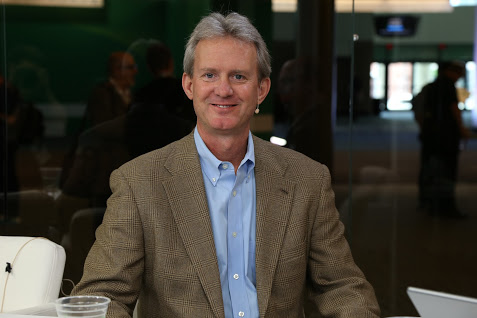
Data backup and disaster recovery methods are seemingly stuck in a time warp. The problems of 20 years ago are still present and pressing, according to Dave Russell (pictured), vice president and distinguished analyst at Gartner Inc. While underlying infrastructure has come and gone, many backup and DR pain points have stubbornly remained, he pointed out. They include data glut, tight backup windows, high cost and complexity.
“Cost is even more important than it ever was,” Russell told Stu Miniman (@stu) and Dave Vellante (@dvellante), co-hosts of theCUBE, SiliconANGLE Media’s mobile livestreaming studio, during this year’s VeeamOn event in New Orleans, Louisiana. (* Disclosure below.)
As a Gartner analyst, Russell has seen frustrating trends in backup economics for some time. “We’ve seen negative pricing pressure on dollars-per-terabyte of backup software now for three years,” he said.
The list price at some vendors is as high as $10,000 to $14,000 per terabyte of data. Meanwhile, one-terabyte drives sell at information technology shops for under $200. “I’m spending list price $14,000 a terabyte to protect $140 worth of equipment. There’s a problem here,” Russell stated.
Many businesses realize that their backup strategy has room for improvement but do not know where to start. Should they tweak their remaining solution or throw it out for a brand new one?
“The answer for many organizations is a little bit of both,” Russell said. In past years, it was common to collapse several backup solutions into one best-of-breed product. Now organizations realize that “sweeping the floor” and starting over isn’t always practical or economical.
“At least try to get the value out of what you bought and deployed,” Russel said.
Companies can choose a second backup solution to complement the one they currently run. “We see this happening in the industry overall,” he added.
Some may hope that a public cloud or software as a service provider will simply take backup out of their hands. Companies who take this hands-off approach are most likely running a bit exposed and may not realize it, according to Russell.
“If an organization really wants to protect their data like they have, they’re going to need a third-party solution,” Russell said.
Watch the complete video interview below, and be sure to check out more of SiliconANGLE’s and theCUBE’s coverage of VeeamOn 2017. (* Disclosure: TheCUBE is a paid media partner for VeeamOn 2017. Neither Veeam Software Inc. nor other sponsors have editorial influence on theCUBE or SiliconANGLE.)
Support our mission to keep content open and free by engaging with theCUBE community. Join theCUBE’s Alumni Trust Network, where technology leaders connect, share intelligence and create opportunities.
Founded by tech visionaries John Furrier and Dave Vellante, SiliconANGLE Media has built a dynamic ecosystem of industry-leading digital media brands that reach 15+ million elite tech professionals. Our new proprietary theCUBE AI Video Cloud is breaking ground in audience interaction, leveraging theCUBEai.com neural network to help technology companies make data-driven decisions and stay at the forefront of industry conversations.





