 EMERGING TECH
EMERGING TECH
EMERGING TECH







EMERGING TECH

Non-proprietary, open-source software code is now preferred by most types of businesses and organizations. Inevitably, corporate vendors eyeing this bull market want to make gravy from it. If they play by open source rules, they might succeed; if they try to simply buy their way in, they’ll have to contend with the open source public and its people’s pitchforks.
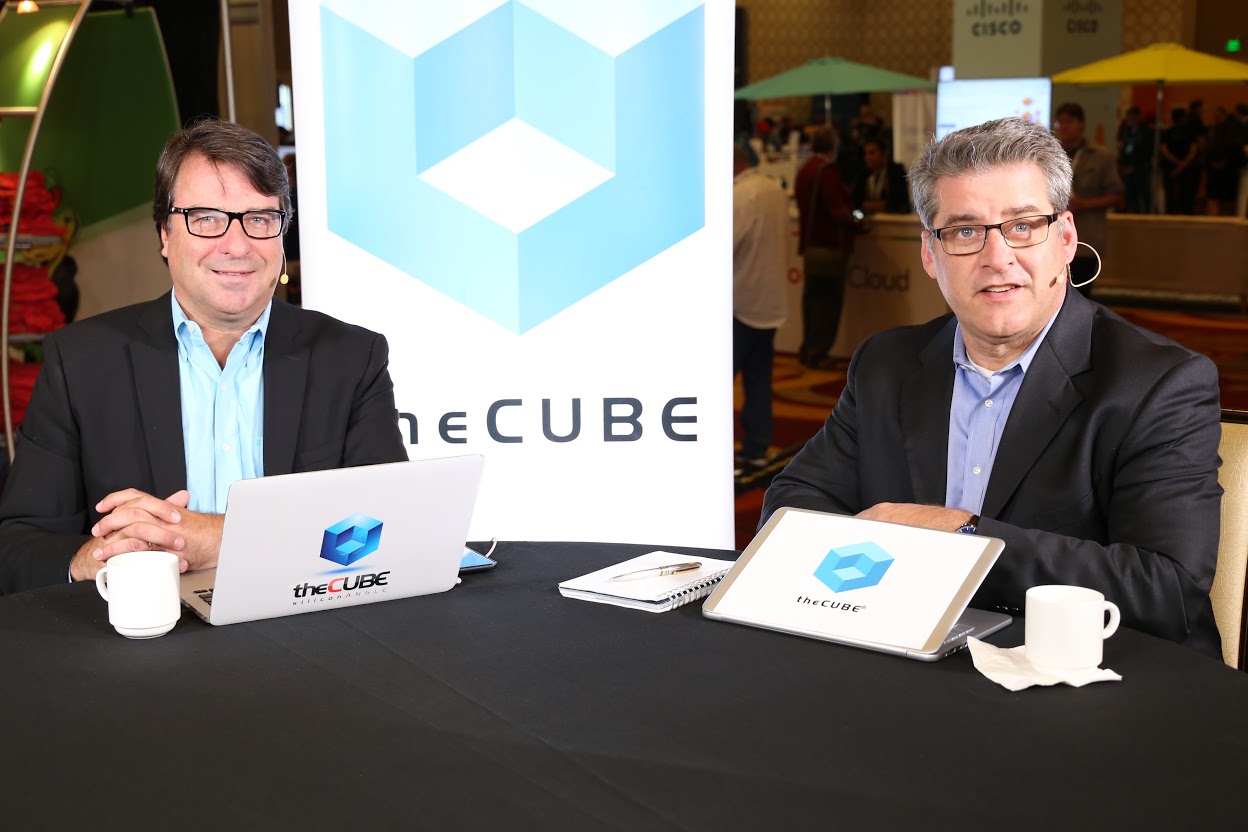
“You can think of code — lines of code — as a vote. You write a line of code, that’s a vote into an ecosystem,” said John Furrier (@furrier) (pictured, left), co-host of theCUBE, SiliconANGLE Media’s mobile livestreaming studio. This democracy or do-ocracy is the pumping heart of all robust open-source communities, according to Furrier.
Furrier discussed how certain powerful entities may influence open-source communities in the future during a conversation at the Open Source Summit in Los Angeles, with co-host Jeff Frick (@JeffFrick) (pictured, right).
“There’s a role for industry and corporations,” Furrier said. However, the old model in which vendors might control standards bodies and influence the industry through proprietary mechanisms doesn’t fly in open source. Nevertheless, both legacy companies productizing open-source software and open-source-native companies could try to exert inordinate influence.
“They don’t have the proprietary nature, but they can try to use their muscle and money,” Furrier said.
Fortunately, open-source’s meritocratic DNA can’t be bred out so easily, Furrier stated. Large companies or college students — all are as good as their code and no better. “Companies can’t operate on the old model. They have to ingratiate in; they have to make real contributions and they have to be community citizens,” he said.
Pushing “vendorware” in a community with a dizzying array of open options won’t get them too far, Furrier added. “Communities that are vibrant and sustainable — they can call [B.S.] on this right away,” he said.
Nonetheless, the open-source community increasingly welcomes large companies willing to contribute and foster growth, according to Frick. For instance, both Microsoft and IBM are present at today’s conference.
“In the early days, people had issues with those big companies coming in,” Frick said. “But clearly they’re a huge part of the ecosystem. They write big checks; they help fund nice events like this one.”
Watch the complete video interview below, and be sure to check out more of SiliconANGLE’s and theCUBE’s coverage of Open Source Summit 2017. (* Disclosure: TheCUBE is a paid media partner for Open Source Summit 2017. Neither The Linux Foundation nor Red Hat Inc. have editorial control over content on theCUBE or SiliconANGLE.)
Support our mission to keep content open and free by engaging with theCUBE community. Join theCUBE’s Alumni Trust Network, where technology leaders connect, share intelligence and create opportunities.
Founded by tech visionaries John Furrier and Dave Vellante, SiliconANGLE Media has built a dynamic ecosystem of industry-leading digital media brands that reach 15+ million elite tech professionals. Our new proprietary theCUBE AI Video Cloud is breaking ground in audience interaction, leveraging theCUBEai.com neural network to help technology companies make data-driven decisions and stay at the forefront of industry conversations.





