



 BIG DATA
BIG DATA
BIG DATA
BIG DATA

With more than 100 years of experience in making industrial products, it only seems natural that Hitachi Ltd. would seek to leverage its market presence by embracing the next wave of industrial innovation: “internet of things.” Lately, the company has been making several moves to step aggressively into the internet of things realm, starting with the formation of Hitachi Vantara. The newly announced subsidiary marries analytics arm Pentaho with the Hitachi Insight Group (big data software) and the data center infrastructure group at Hitachi Data Systems. And a new feature from the combined technology expertise is the “asset avatar.”
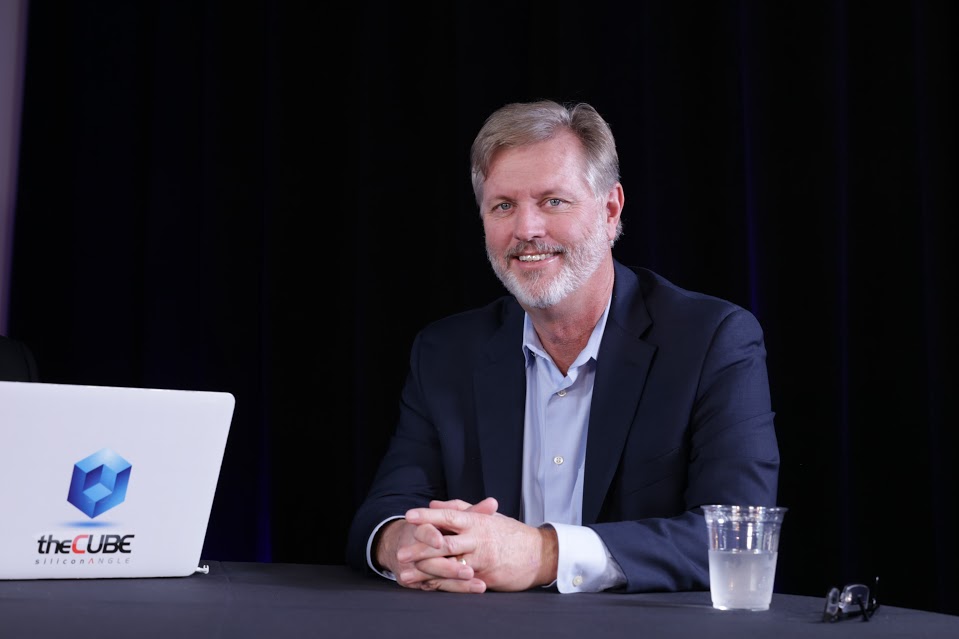
“Companies are transforming into new business models and doing things significantly different to grow into the future. IoT is an enabler of that,” said Chuck Yarbrough (pictured), vice president of Pentaho solutions marketing and management at Pentaho, A Hitachi Group Company.
Yarbrough paid a visit to theCUBE, SiliconANGLE’s mobile livestreaming studio, and spoke with co-hosts John Furrier (@furrier) and James Kobielus (@jameskobielus) during the BigData NYC event in New York City. They discussed reasons behind the formation of the subsidiary, a new internet of things platform and the importance of focusing on business outcomes in the industrial technology space. (* Disclosure below.)
The formation of Hitachi Vantara was followed by the news that it would partner with telecommunications giant British Telecommunications to develop enterprise and industrial-based internet of things products.
“Industrial IoT is where I see the biggest value today,” Yarbrough said.
Hitachi’s moves follow another series of announcements that involved the next generation of the Lumada internet of things platform, commercial software for internet of things developers. One of the advancements included now in the platform are asset avatars, digital representations of physical items that contain metadata that can be channeled into analytic modeling. It’s Hitachi’s own version of the digital twin.
“Think of [the platform] as a big data center refinery,” explained Yarbrough, where companies can take large amounts of internet of things data and apply machine learning and deep algorithms.
In December, Hitachi declared its intention to triple its Australian internet of things revenues by 2020. The company’s latest moves appear to be an effort to channel its in-house capabilities toward realizing that goal and perhaps more.
“People that are implementing technology for technology’s sake are going to lose,” Yarbrough said. “People that are focused on the outcomes are going to win.”
Watch the complete video interview below, and be sure to check out more of SiliconANGLE’s and theCUBE’s coverage of BigData NYC 2017. (* Disclosure: Pentaho sponsored this segment of theCUBE. Neither Pentaho nor other sponsors have editorial control over content on theCUBE or SiliconANGLE.)
… We’d like to tell you about our mission and how you can help us fulfill it. SiliconANGLE Media Inc.’s business model is based on the intrinsic value of the content, not advertising. Unlike many online publications, we don’t have a paywall or run banner advertising, because we want to keep our journalism open, without influence or the need to chase traffic.The journalism, reporting and commentary on SiliconANGLE — along with live, unscripted video from our Silicon Valley studio and globe-trotting video teams at theCUBE — take a lot of hard work, time and money. Keeping the quality high requires the support of sponsors who are aligned with our vision of ad-free journalism content.
If you like the reporting, video interviews and other ad-free content here, please take a moment to check out a sample of the video content supported by our sponsors, tweet your support, and keep coming back to SiliconANGLE.






