



 APPS
APPS
APPS
APPS
APPS

While the benefits of agile methodologies are touted across the tech industry, the waterfall approach still has merits in certain circumstances, especially in larger organizations. The Dow Chemical Co. has a history of waterfall-heavy implementation — with the largest SAP SE implementation in history, at $1B and 800 SAP systems — according to Seneca Louck, business process leader at The Dow Chemical Co.
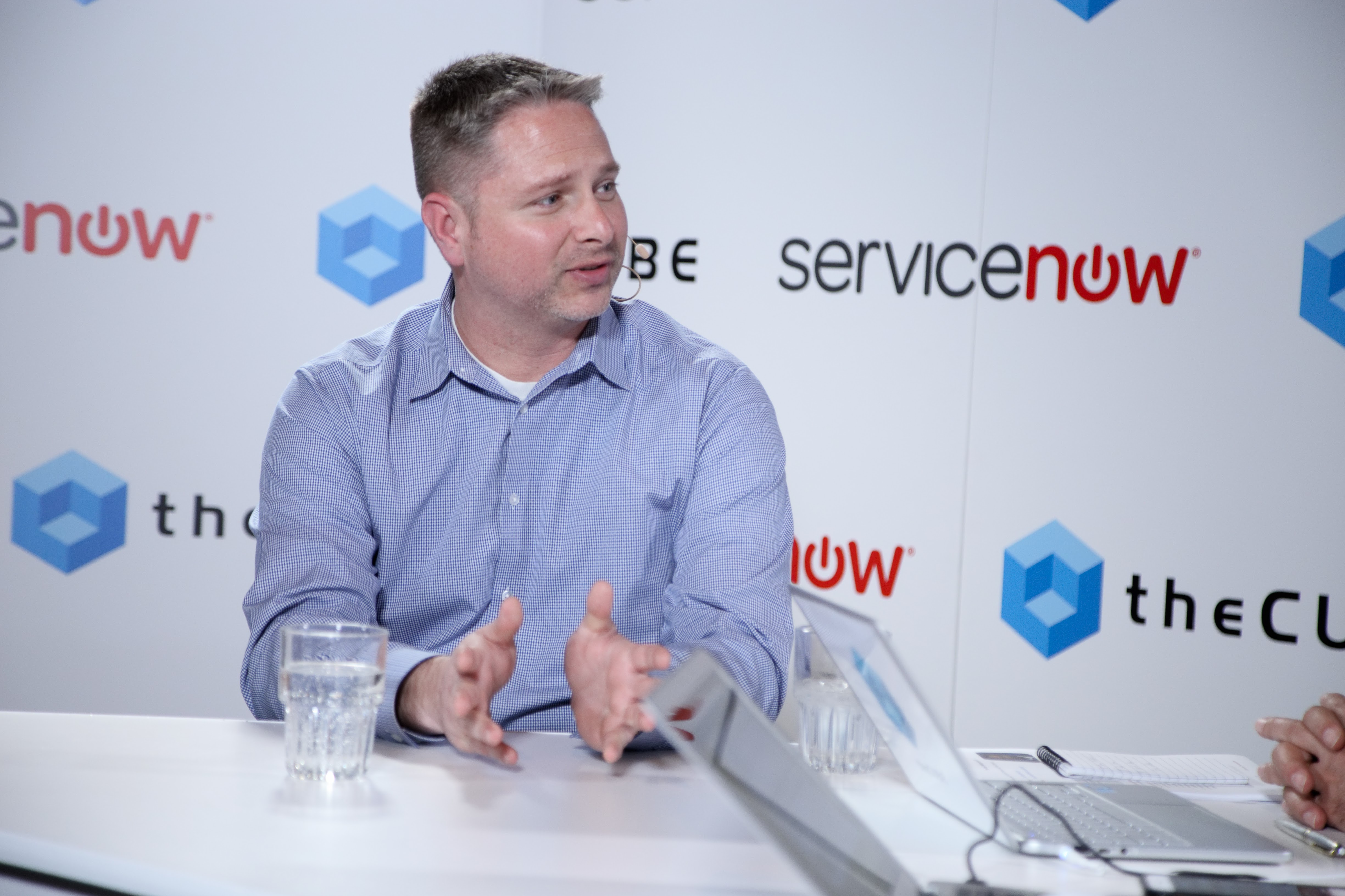
Louck described how his organization needed to evolve its strategy to blend both agile and waterfall methods for the information technology service management, or ITSM, transition, and how it used ServiceNow’s platform to do so.
“We really did hone in on the minimum product that we needed to get people moved over to the platform and increment from there. It was a little bit of a culture change and learning curve, but we found that sweet spot between agile and waterfall,” Louck said. “We front-ended a lot of the requirements and then we transitioned to two-week sprints, and we pulled requirements out of the backlog we captured in the month previous.”
Louck spoke with Dave Vellante (@dvellante) and Jeff Frick (@JeffFrick), co-hosts of theCUBE, SiliconANGLE Media’s mobile livestreaming studio, earlier this year at the ServiceNow Knowledge17 event in Orlando, Florida. (* Disclosure below)
“We started with workshops, and we spent probably the first four or five months before we wrote one line of code or configured a single ServiceNow application. A lot of that work was documenting as-is process — uplift it and understand it to figure out what we want that to-be process to look like … and then figure out how to deliver the tool against that,” Louck explained.
Now, Dow Chemical is looking to expand functionality of its ServiceNow platform to cover event handling and management by leveraging the latest “internet of things” hooks.
“I need the ability to bring massive amounts of data onto this platform. Raw performance data, network data, server data, utilization data or end user data. I want to be able to bring it to the platform so that I can use it to correlate events, incidents and problems. The things they are doing for IoT to bring massive datasets in are actually going to solve my problem,” Louck concluded.
Watch the complete video interview below, and be sure to check out more of SiliconANGLE’s and theCUBE’s coverage of ServiceNow Knowledge17. (* Disclosure: ServiceNow Inc. sponsored this Knowledge17 segment on SiliconANGLE Media’s theCUBE. Neither ServiceNow nor other sponsors have editorial control over content on theCUBE or SiliconANGLE.)
… We’d like to tell you about our mission and how you can help us fulfill it. SiliconANGLE Media Inc.’s business model is based on the intrinsic value of the content, not advertising. Unlike many online publications, we don’t have a paywall or run banner advertising, because we want to keep our journalism open, without influence or the need to chase traffic.The journalism, reporting and commentary on SiliconANGLE — along with live, unscripted video from our Silicon Valley studio and globe-trotting video teams at theCUBE — take a lot of hard work, time and money. Keeping the quality high requires the support of sponsors who are aligned with our vision of ad-free journalism content.
If you like the reporting, video interviews and other ad-free content here, please take a moment to check out a sample of the video content supported by our sponsors, tweet your support, and keep coming back to SiliconANGLE.






