



 INFRA
INFRA
INFRA
INFRA
INFRA

As data processing and storage demands expand for on-premises computing environments, disaggregating computing and storage resources can help maximize performance while minimizing cost for hardware systems. For a company like AppNexus Inc., an online advertising market with daily transaction volumes 10 times greater than the annual New York Stock Exchange transaction volumes, costs must not only be minimized, but transactions must occur in a fraction of a second reliably and securely.
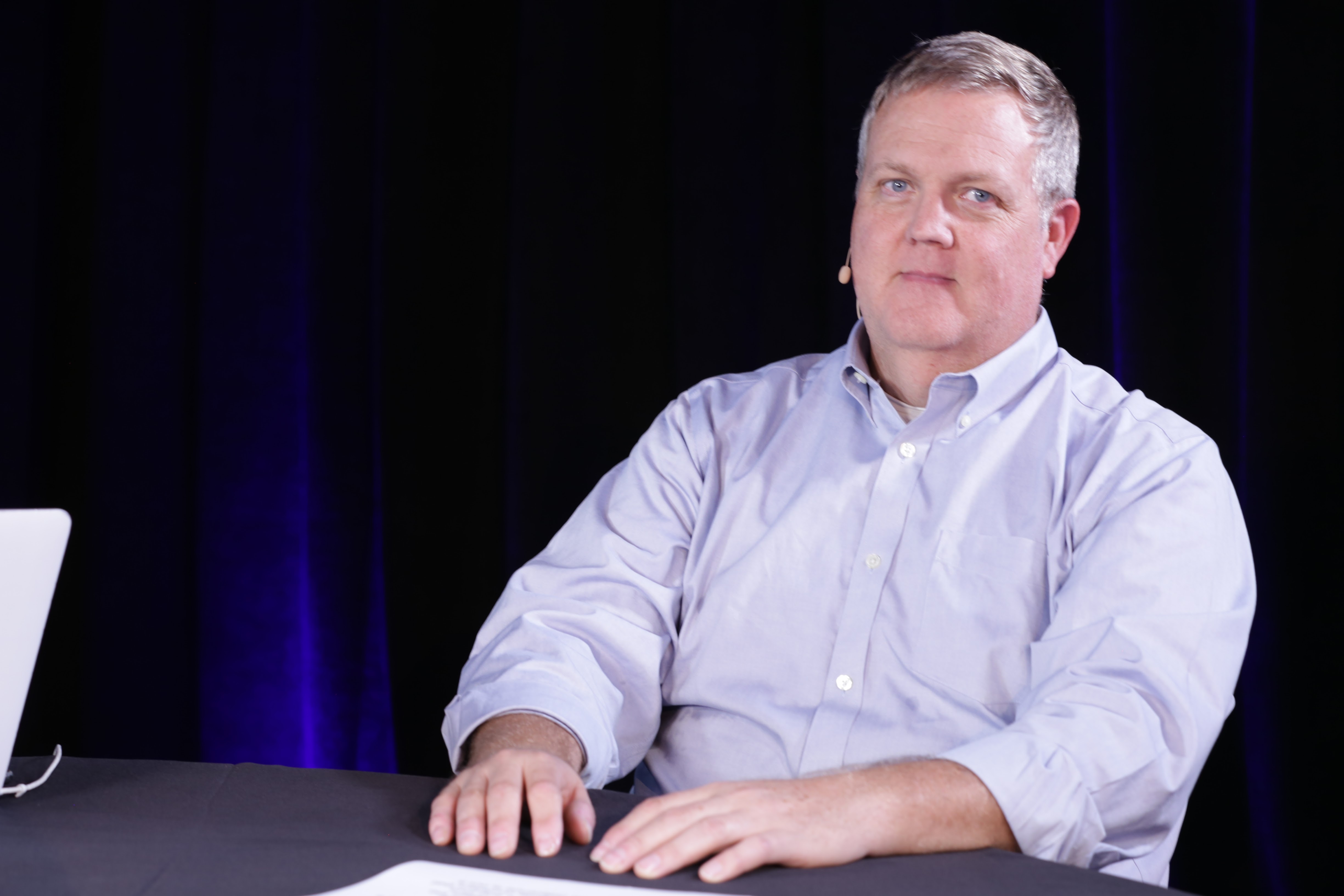
“Given our volumes, it’s imperative that AppNexus does each transaction with the maximum efficiency and lowest reasonable possible cost,” said Timothy Smith (pictured), senior vice president of technical operations at AppNexus.
Smith spoke with John Furrier (@furrier) and Peter Burris (@plburris), co-hosts of theCUBE, SiliconANGLE Media’s mobile livestreaming studio, during the BigData NYC event in New York City about how DriveScale’s software managed infrastructure system is driving down costs. (* Disclosure below.)
To keep costs down, AppNexus relies on commodity server hardware rather than customized configurations of processing power and storage. This creates inefficiencies when clustering applications into silos because resources cannot be shared across clusters and each cluster has a slightly different ratio between storage to computing needs.
“What we really wanted to do was disaggregate storage from servers, and DriveScale enables us to do that,” Smith said.
Instead of buying servers with internal drives, AppNexus transitioned to buying disk-less server hardware and easily compose servers with any amount of disk storage needed by leveraging DriveScale’s system to optimize the server-to-storage ratio. This configuration also allows it to upgrade its hardware seamlessly and effectively without need for data migration.
“We want to upgrade servers to take advantage of new processors or new memory architectures. We just replace the servers, recombine the disks with the new servers, and we’re back up and operating,” Smith concluded.
Watch the complete video interview below, and be sure to check out more of SiliconANGLE’s and theCUBE’s coverage of BigData NYC 2017. (* Disclosure: DriveScale Inc. sponsored this segment of theCUBE. Neither DriveScale nor other sponsors have editorial control over content on theCUBE or SiliconANGLE.)
… We’d like to tell you about our mission and how you can help us fulfill it. SiliconANGLE Media Inc.’s business model is based on the intrinsic value of the content, not advertising. Unlike many online publications, we don’t have a paywall or run banner advertising, because we want to keep our journalism open, without influence or the need to chase traffic.The journalism, reporting and commentary on SiliconANGLE — along with live, unscripted video from our Silicon Valley studio and globe-trotting video teams at theCUBE — take a lot of hard work, time and money. Keeping the quality high requires the support of sponsors who are aligned with our vision of ad-free journalism content.
If you like the reporting, video interviews and other ad-free content here, please take a moment to check out a sample of the video content supported by our sponsors, tweet your support, and keep coming back to SiliconANGLE.






