



 INFRA
INFRA
INFRA
INFRA
INFRA

The healthcare industry regulations on data retention and security, such those set in the European Union General Data Protection Regulations, or GDPR, coupled with an explosion of new sources of data within hospitals and clinics from a range of medical devices is creating a data storage challenge. Cerner Corp., a healthcare information technology supplier, is constantly looking to the latest technologies, such as those surrounding data compression and dedup, to improve its storage efficiency and performance.
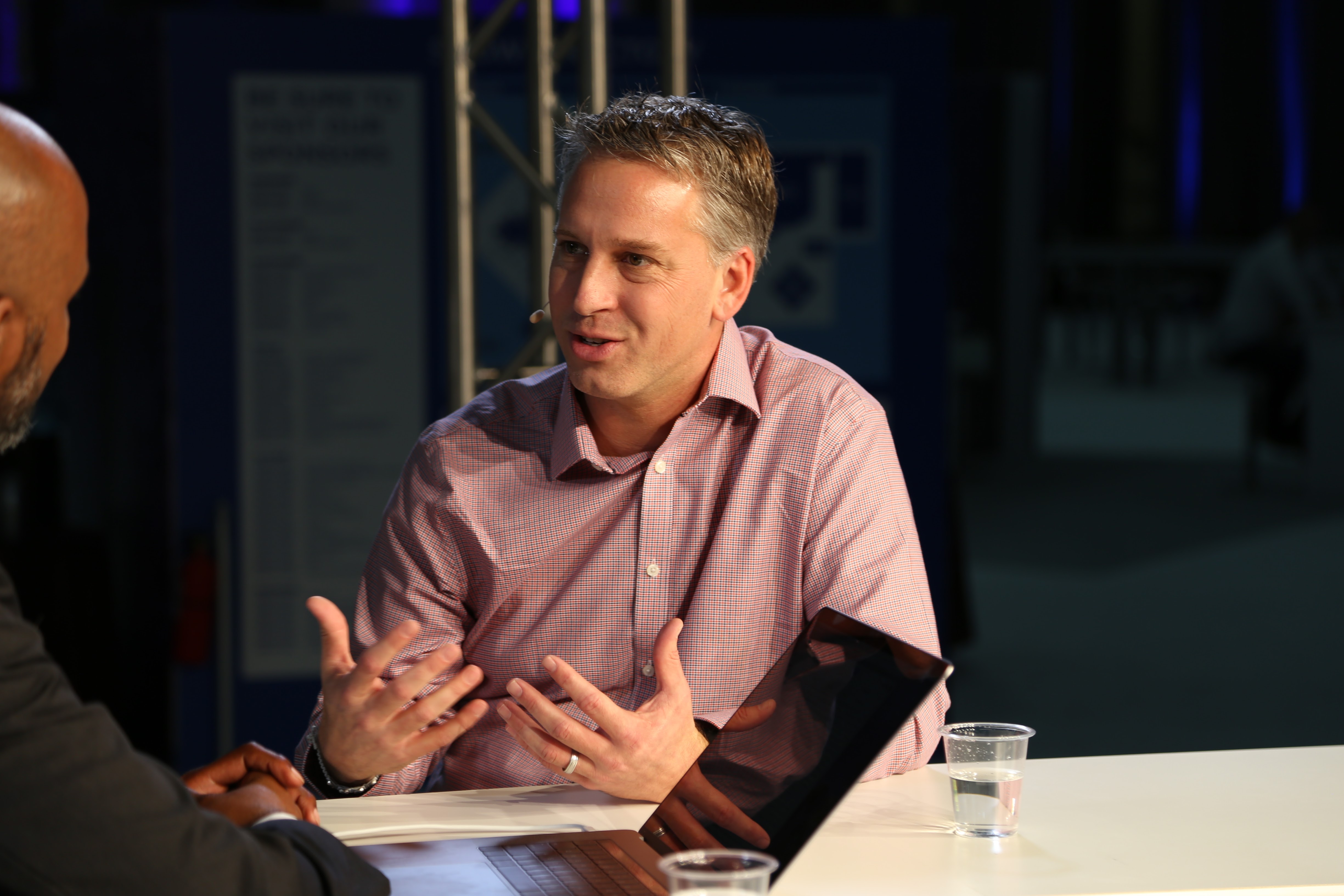
“It’s an ongoing challenge and battle. And we’re really reliant on experts in the storage industry to … help us figure out ways in order to be more efficient with how we store that data,” said Brian Stuckey, vice president of information technology infrastructure and operations at Cerner.
Stuckey spoke with Keith Townsend (@CTOAdvisor), guest host of theCUBE, SiliconANGLE Media’s mobile livestreaming studio, during the NetApp Insights event in Las Vegas, Nevada. They discussed how Cerner is leveraging the latest NetApp Inc. data storage offerings. (* Disclosure below.)
Sources of data in a healthcare environment are exploding as previously unconnected devices are being brought online. These devices, such as medical imaging or heart-rate monitors, are also increasing in resolution and therefore generating more volume per data stream, according to Stuckey.
“It’s coming from everywhere. We’ve got IoT data now that’s coming from all the bedside medical devices that exist out there. … The land of healthcare is the land of IoT when we start to get into our clients, hospitals and hospital systems,” Stuckey said.
In storing all of this newly acquired data, Cerner has been primarily leveraging on-premises media, including flash and spinning disk technology. Moving forward, though, Cerner is looking to take advantage of NetApp’s Data Fabric offering for use cases where hybrid-cloud architectures make sense.
“We are aggressively looking at cloud for a number of use cases. And looking at some of the promise of what we can do with data, long-term, cold storage, some of the things that are out there available from a public cloud perspective and really looking at it as an opportunity for data mobility, data archiving and all sorts of interesting opportunities kind of arise from that,” Stuckey concluded.
Watch the complete video interview below, and be sure to check out more of SiliconANGLE’s and theCUBE’s coverage of NetApp Insight US 2017. (* Disclosure: NetApp Inc. sponsored this segment of theCUBE. Neither NetApp nor other sponsors have editorial control over content on theCUBE or SiliconANGLE.)
… We’d like to tell you about our mission and how you can help us fulfill it. SiliconANGLE Media Inc.’s business model is based on the intrinsic value of the content, not advertising. Unlike many online publications, we don’t have a paywall or run banner advertising, because we want to keep our journalism open, without influence or the need to chase traffic.The journalism, reporting and commentary on SiliconANGLE — along with live, unscripted video from our Silicon Valley studio and globe-trotting video teams at theCUBE — take a lot of hard work, time and money. Keeping the quality high requires the support of sponsors who are aligned with our vision of ad-free journalism content.
If you like the reporting, video interviews and other ad-free content here, please take a moment to check out a sample of the video content supported by our sponsors, tweet your support, and keep coming back to SiliconANGLE.






