



 APPS
APPS
APPS
APPS
APPS

The importance of cybersecurity technology extends beyond personal data and corporate espionage with direct impacts to national security. During the CyberConnect event in New York City, retired four-star U.S. Army General and former Director of the National Security Administration Keith Alexander spoke candidly to a small group of industry leaders and journalists about how the U.S. cybersecurity program needs collaboration from the private sector without jeopardizing their business objectives.
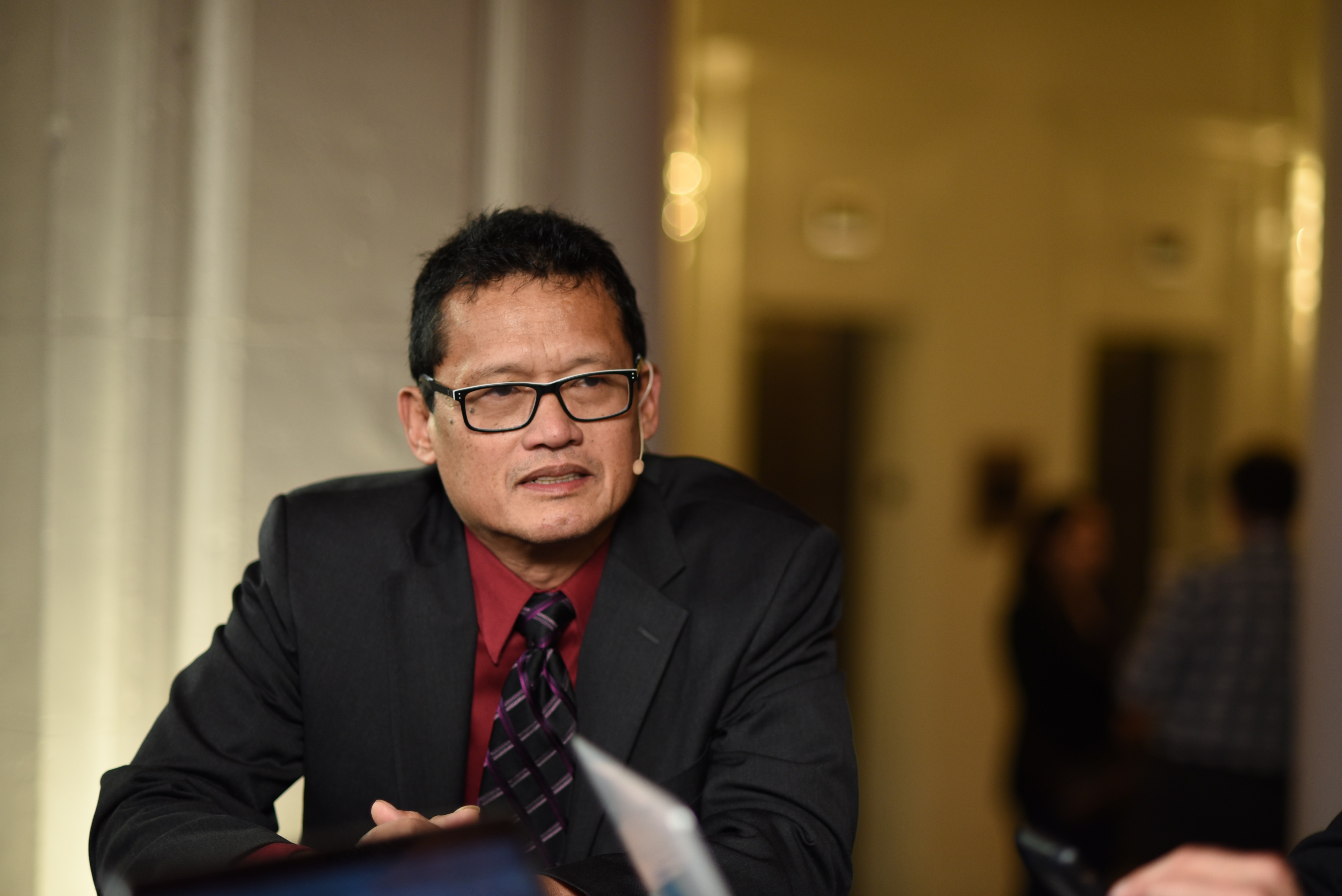
“He is a … great advocate for the private sector industry, but not just industry, the different major verticals … especially the financial sector and the energy sector, to put aside some of the competitive urges they have and recognize that this is going on,” said Byron Acohido (pictured), journalist and web producer at LastWatchDog.com.
Acohido spoke with Dave Vellante (@dvellante) and John Furrier (@furrier), co-hosts of theCUBE, SiliconANGLE Media’s mobile livestreaming studio, during the CyberConnect event. They discussed the state of our national cybersecurity profile and the trend toward collaboration between government and industry. (* Disclosure below.)
The burden of ensuring protection against cyberthreats lies with the leadership of both industry and government organizations. Often times, however, the industry lacks a holistic view beyond its own sector, and the government must step in to bridge the gap between industry sectors to ensure the right policies and regulations are in place, according to Acohido.
“California’s already led the way in terms of its Data Loss Disclosure law that now 47 states have. … That’s … the level the government can push, and then the industry can react to that,” Acohido explained.
As the cooperation grows, the private sector must also continue to place trust in the public sector that their cyberdefense practices can legally be upheld. Companies should look the example of Microsoft successfully executing an anti-botnet campaign by working with the government to establish legal jurisdiction in order to drive its initiatives forward, according to Acohido.
“They’ve taken a whole legal strategy that they’ve managed to impose in maybe a half-dozen legal cases the last few years, where they legally went and got legal power to shut down hosting services that were the sources of these botnets,” Acohido stated.
Watch the complete video interview below, and be sure to check out more of SiliconANGLE’s and theCUBE’s coverage of the CyberConnect 2017 event. (* Disclosure: TheCUBE is a paid media partner for the CyberConnect 2017 conference. Neither Centrify Corp., the event sponsor, nor other sponsors have editorial control over content on theCUBE or SiliconANGLE.)
… We’d like to tell you about our mission and how you can help us fulfill it. SiliconANGLE Media Inc.’s business model is based on the intrinsic value of the content, not advertising. Unlike many online publications, we don’t have a paywall or run banner advertising, because we want to keep our journalism open, without influence or the need to chase traffic.The journalism, reporting and commentary on SiliconANGLE — along with live, unscripted video from our Silicon Valley studio and globe-trotting video teams at theCUBE — take a lot of hard work, time and money. Keeping the quality high requires the support of sponsors who are aligned with our vision of ad-free journalism content.
If you like the reporting, video interviews and other ad-free content here, please take a moment to check out a sample of the video content supported by our sponsors, tweet your support, and keep coming back to SiliconANGLE.






