 EMERGING TECH
EMERGING TECH
EMERGING TECH







EMERGING TECH

Initial Coin Offerings are one of those disruptive technologies filed under crazy enough to work. And the manner in which entrepreneurs launch their ICOs as new cryptocurrencies to sell them for existing cryptocurrencies (like bitcoin) to buyers betting the new currency, is expected to appreciate as any other asset.
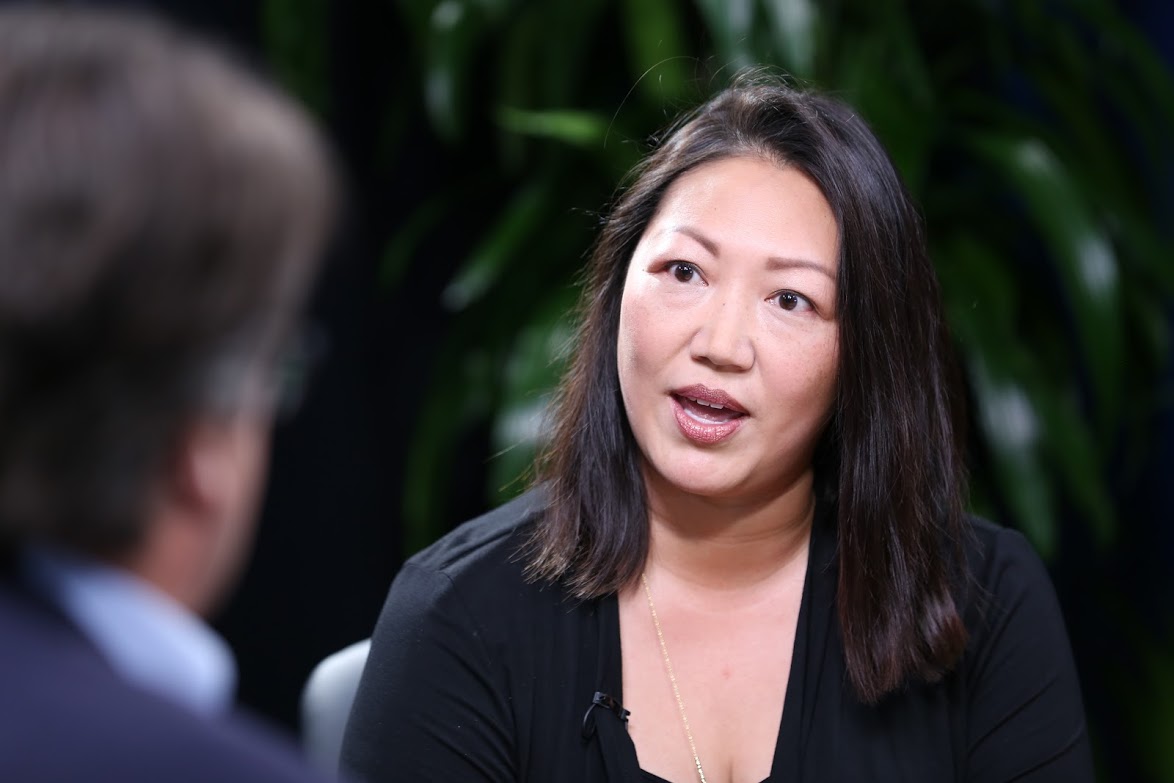
Does this sound like a safe space for scam artists? Regulators seem to think so, and they are increasingly scrutinizing ICOs. “Technology is moving, and the law needs to as well,” said Mitzi Chang (pictured), corporate attorney at Goodwin Proctor LLP.
Goodwin Proctor works with startups — the main purveyors of ICOs — to ensure lawful transactions. Cryptocurrency’s anonymity is surely not lost on those who would cheat the system. “They’re anonymous wallets that you’re sending cryptocurrency to and from; you don’t know who these people are,” Chang said told John Furrier (@furrier), host of theCUBE, SiliconANGLE Media’s mobile livestreaming studio, during an interview at theCUBE’s Palo Alto studio in California.
With ICOs, startups hope to bypass venture capitalist ceremonials and land funding fast. Funny-sounding? Startups are laughing all the way to the blockchain ledger. ICOs can fund a new company at a pace that makes VCs look glacial by comparison. Former Mozilla Chief Executive Officer Brendan Eich’s browser startup Brave raised $30 million in under 30 seconds.
The Security Exchange Commission has stepped in to clarify what a cryptocurrency can and cannot be. In July, SEC stated that a token can in fact be a commodity or a security, for instance.
Startups exploring ICOs should be aware of Anti-Money Laundering and Know Your Customer compliance, Chang told Furrier. “You don’t want to run afoul of anti-terrorist type regulations,” she sated. The U.S. government provides searchable online lists of people not to do business with, she added.
A dose of law and order will not rain on the ICO parade. In fact, legislation can clear up confusion and mitigate fraud risks, according to Chang. The State of Delaware last July passed amendments explicitly giving residents the right to trade stocks on blockchain.
“Once there’s more regulation, there will be more clarity about how to do it and how to do it within the confines of the law,” Chang concluded.
Watch the complete video below:
Support our mission to keep content open and free by engaging with theCUBE community. Join theCUBE’s Alumni Trust Network, where technology leaders connect, share intelligence and create opportunities.
Founded by tech visionaries John Furrier and Dave Vellante, SiliconANGLE Media has built a dynamic ecosystem of industry-leading digital media brands that reach 15+ million elite tech professionals. Our new proprietary theCUBE AI Video Cloud is breaking ground in audience interaction, leveraging theCUBEai.com neural network to help technology companies make data-driven decisions and stay at the forefront of industry conversations.





