 BIG DATA
BIG DATA
BIG DATA







BIG DATA

Cars, personal assistants and smartphones are starting to learn user habits and make decisions automatically. Can the home be far behind?
Vivint Inc., the provider of smart home security systems over the past 18 years, has embarked on a technology approach that combines artificial intelligence, sensors and a computer-based control network to effectively learn homeowner habits and run basic operations. Lights, thermostat controls and security systems can be controlled automatically based on data and machine learning algorithms that understand everything from the current weather to when the home is occupied or empty.
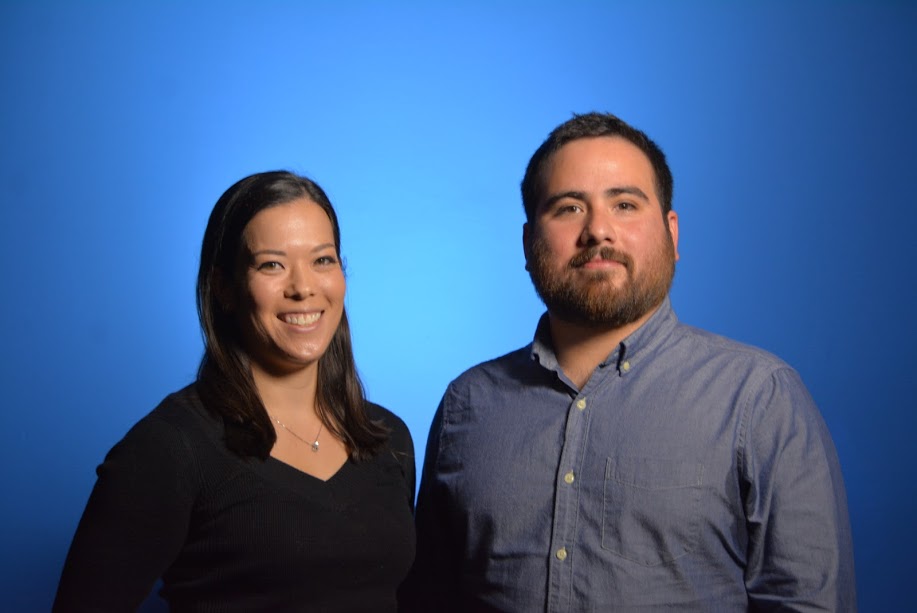
“We have a whole host of data sources that we use in order to power the smarts behind our products,” said Miki Seltzer (pictured, left), data scientist at Vivint. “We like to make people’s homes safer and smarter.”
Seltzer visited theCUBE, SiliconANGLE’s mobile livestreaming studio, and spoke with host Jeff Frick (@JeffFrick) at SiliconANGLE’s Palo Alto studio in California. She was joined by Raul Olvera (pictured, right), senior data engineer at Vivint, and they discussed how the company handles the massive amount of homeowner data it collects, Datameer Inc.’s role in analytics, and the future use of personal information by customers. (* Disclosure below.)
The explosion of stream data generated from connected home devices over the past three years has allowed Vivint to better understand the patterns of its customers’ lives. The sheer size of the data collected forced the company to place it in big data engine Hadoop, but it needed a way to visualize what it had and apply learning models.
“A lot of the challenge is understanding the data, how it behaves, and creating the metrics out of billions and billions of rows for all of the customers that we have,” Olvera explained.
The company brought in Datameer to analyze the multiple complex data streams with the goal of arriving at a thorough understanding of each customer’s lifestyle patterns. “We use Datameer to transform and pull insights out of that raw data, which would be really difficult otherwise,” Seltzer said.
The learning models that Vivint uses are laying the groundwork for what the company hopes will become the next wave of big data analytics: self-service. In this scenario, homeowners’ data is not only used by Vivint’s platform to automatically control operations, but can also be pulled at any time to be evaluated by the customers themselves.
“We are trying to move more towards self-service,” Seltzer said. “Moving towards having them being able to pull their own data is a really big opportunity for us.”
Watch the complete video interview below, and be sure to check out more of SiliconANGLE’s and theCUBE’s CubeConversations. (* Disclosure: Datameer Inc. sponsored this segment on SiliconANGLE Media’s theCUBE. Neither Datameer nor other sponsors have editorial control over content on theCUBE or SiliconANGLE.)
Support our mission to keep content open and free by engaging with theCUBE community. Join theCUBE’s Alumni Trust Network, where technology leaders connect, share intelligence and create opportunities.
Founded by tech visionaries John Furrier and Dave Vellante, SiliconANGLE Media has built a dynamic ecosystem of industry-leading digital media brands that reach 15+ million elite tech professionals. Our new proprietary theCUBE AI Video Cloud is breaking ground in audience interaction, leveraging theCUBEai.com neural network to help technology companies make data-driven decisions and stay at the forefront of industry conversations.





