



 EMERGING TECH
EMERGING TECH
EMERGING TECH
EMERGING TECH

Drone safety has been one of several controversial topics around the new technology as it rises in popularity. But despite fears of privacy invasion and other risks, some businesses are actually using the tool to improve safety measures.
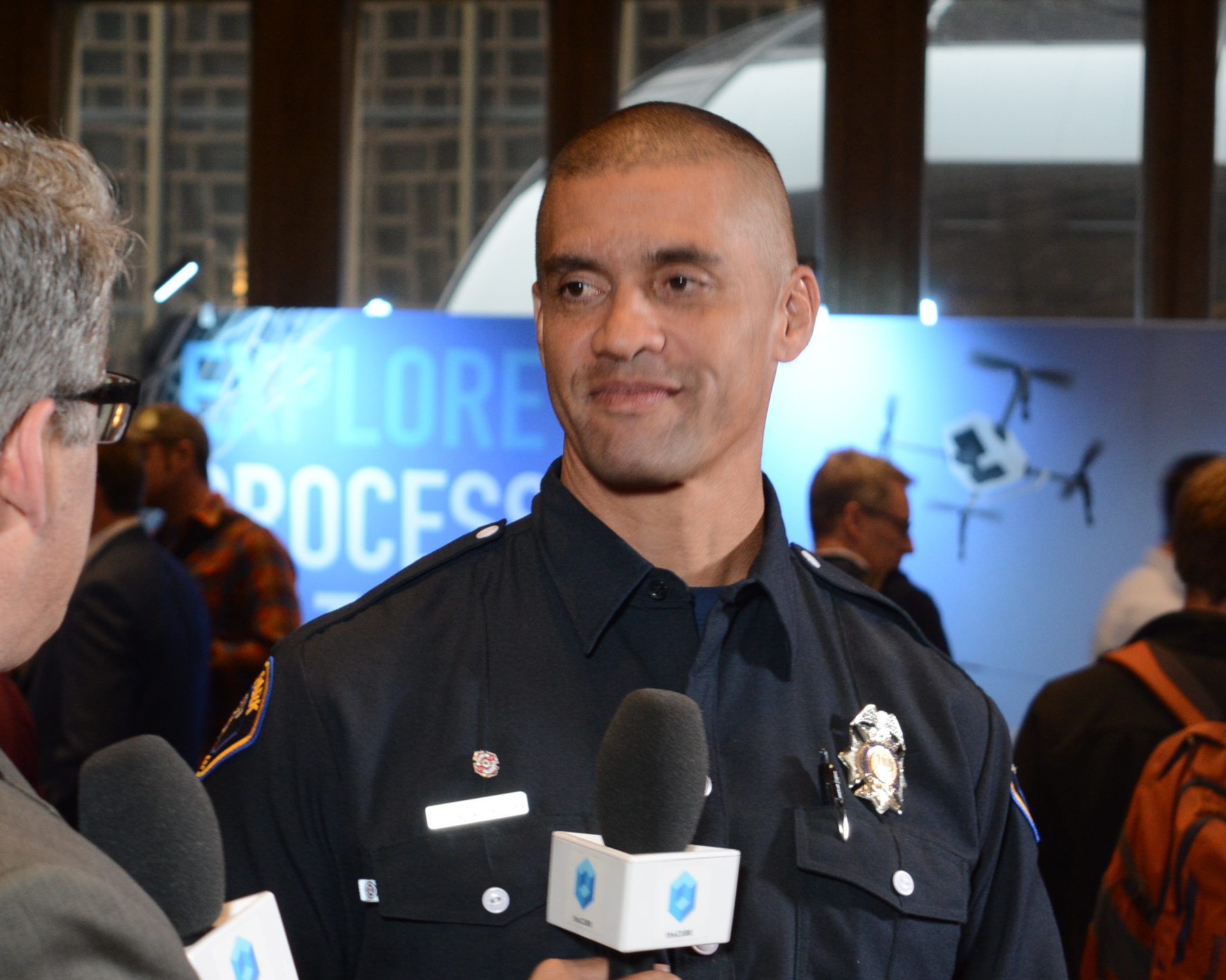
Michael Ralston (pictured), CCM/CERT director of the Menlo Fire District, runs the Crisis Response and Innovation in Technology Practice Initiative in the department. “We’re like a technology start-up company within the fire district,” Ralston said. With the help of drone technology, Ralston and his team are improving safety measures and processes for the community at large.
Ralston spoke with Jeff Frick (@JeffFrick), co-host of theCUBE, SiliconANGLE Media’s mobile livestreaming studio, during the AirWorks 2017 event in Denver, Colorado. They discussed the Menlo Fire District’s drone journey, and how the team is using what they’ve learned to strengthen a tech ecosystem that supports innovative ventures in the public sector.
When the Menlo Fire District decided to invest in drone technology, they found the initiative challenging in unexpected ways. Ralston recalls struggling with insurance, training, certifications, not to mention the growing pains that come with implementing any new technology.
Once they had the necessary regulatory, political, community approval to incorporate the new tools into processes, Ralston and the team realized they would need a greater support system to make the most of their drone use. They discovered an ecosystem of complementary tech communities that supplied the critical elements of their venture beyond Ralston’s expertise. “As we learned about this ecosystem, we started to realize that’s what’s going to make all this work,” he said.
The knowledge shared through the ecosystem has created endless opportunities for drones to increase the department’s ability to protect its community through improved safety, heightened situational awareness, and faster response times. Among their many applications, drones are being used to go where humans can’t to ensure safety and prevent against potential hazards. “That applies to medical calls, car accidents, [and] fire,” Ralston said, naming just a few of the tool’s use cases.
Since realizing the necessity of this support system to its own processes, the fire district has taken an active role in extending that ecosystem to the community at large with an ongoing program they call “Technology Symposium.” Through this supportive community, Ralston hopes to find even more ways to use drones to protect lives, property, and the environment. “Everything that we do, you can come up with a use case for a drone,” he concluded.
Watch the complete video interview below, and be sure to check out more of SiliconANGLE’s and theCUBE’s coverage of the AirWorks 2017 event.
… We’d like to tell you about our mission and how you can help us fulfill it. SiliconANGLE Media Inc.’s business model is based on the intrinsic value of the content, not advertising. Unlike many online publications, we don’t have a paywall or run banner advertising, because we want to keep our journalism open, without influence or the need to chase traffic.The journalism, reporting and commentary on SiliconANGLE — along with live, unscripted video from our Silicon Valley studio and globe-trotting video teams at theCUBE — take a lot of hard work, time and money. Keeping the quality high requires the support of sponsors who are aligned with our vision of ad-free journalism content.
If you like the reporting, video interviews and other ad-free content here, please take a moment to check out a sample of the video content supported by our sponsors, tweet your support, and keep coming back to SiliconANGLE.






