 CLOUD
CLOUD
CLOUD
CLOUD







CLOUD

The world’s finest wines often take years to age. Well-made furniture is usually assembled over many months in the workshop of highly skilled artisans. Yet when it comes to running enterprise software applications, the mode is usually, “Let’s get it out by Friday, but we have to figure out the infrastructure first.”
The information technology fire drill has become a reality of doing business, but there are some pockets of the technology world where the hard work by a community of users can deliver tools that add value and allow time to focus on getting key elements of the infrastructure right.
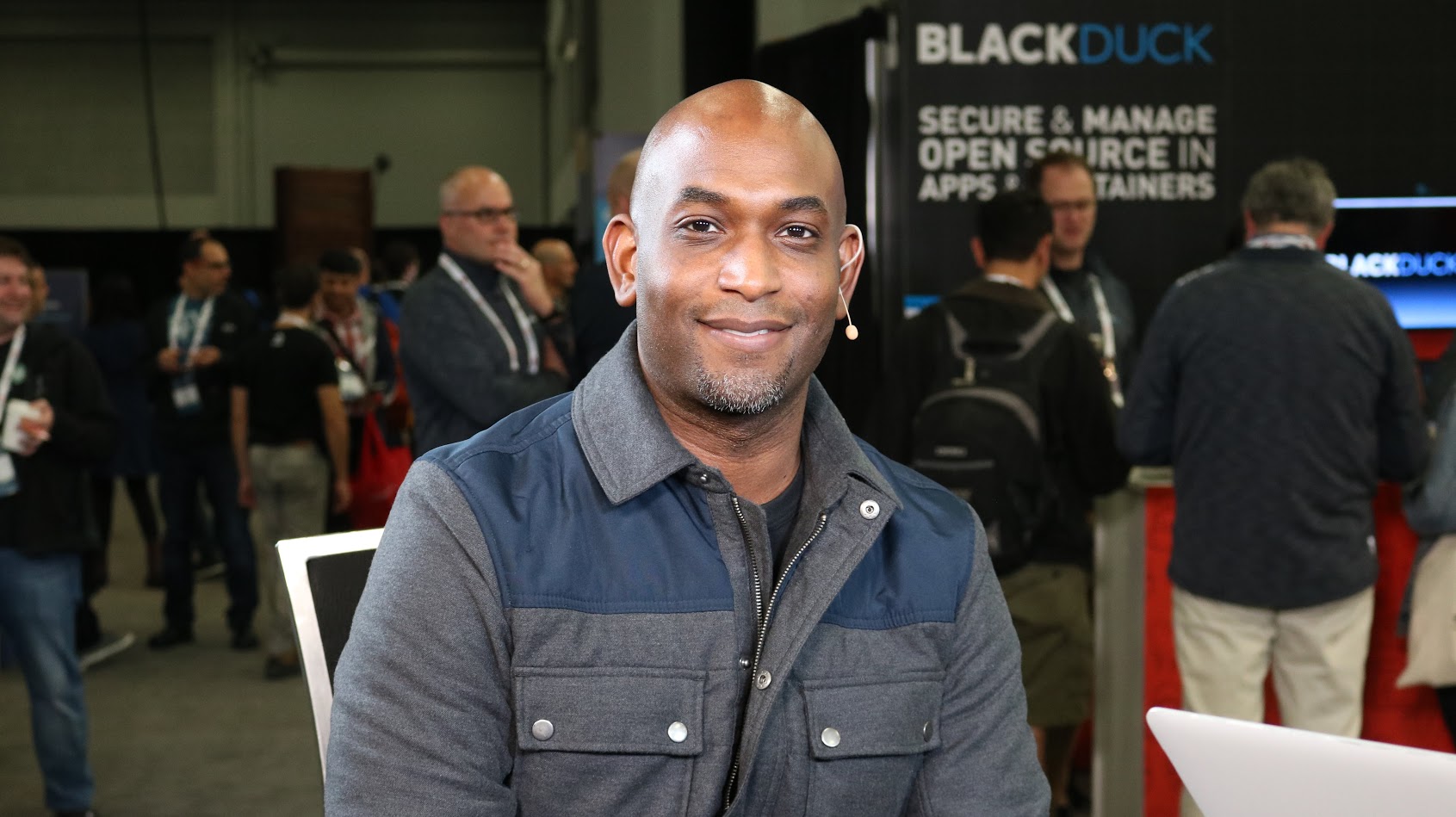
“When you get things like Kubernetes and then you layer on platforms like serverless and these platforms as a service that sit on top, now you can actually focus on craftsmanship. It solves problems that you have, and they can be shared among your peers,” said Kelsey Hightower (@kelseyhightower, pictured), staff development advocate at Google Cloud Platform.
Hightower visited the set of theCUBE, SiliconANGLE Media’s mobile livestreaming studio, during the KubeCon + CloudNativeCon event in Austin, Texas, and spoke with co-hosts John Furrier (@furrier) and Stu Miniman (@stu). They discussed the community of users who contribute to Kubernetes’ effectiveness, security advantages and whether the technology can be effectively monetized.
As an open-source container orchestration solution, Kubernetes draws from a sizable community of Linux developers who have fine-tuned it to deliver value in the technology stack. The open nature of Kubernetes has proven to be a major plus.
“When we solve a new problem, just like Linux, it rolls back into the platform,” Hightower explained. “It becomes this problem set that almost anyone writing software has, and I think this is why the attraction of Kubernetes is so big so fast.”
Kubernetes also offers advantages in network security, through a declarative approach where system administrators can know exactly what is running on machines and be assured of it. But there is still the problem posed by inherent vulnerabilities in applications themselves.
“No matter how great Kubernetes gets … you still have this layer where your app will accept requests from your users,” Hightower said. “And more than likely that’s where your problems are going to be.”
Can the open-source Kubernetes be monetized? “Kubernetes sets the stage for technology partners,” said the Google Cloud executive. “You can’t just sell me Kubernetes and walk away. You have to give me Kubernetes and then envision how my business will extend on top of it.”
Watch the complete video interview below, and be sure to check out more of SiliconANGLE’s and theCUBE’s coverage of the KubeCon + CloudNativeCon event.
Support our mission to keep content open and free by engaging with theCUBE community. Join theCUBE’s Alumni Trust Network, where technology leaders connect, share intelligence and create opportunities.
Founded by tech visionaries John Furrier and Dave Vellante, SiliconANGLE Media has built a dynamic ecosystem of industry-leading digital media brands that reach 15+ million elite tech professionals. Our new proprietary theCUBE AI Video Cloud is breaking ground in audience interaction, leveraging theCUBEai.com neural network to help technology companies make data-driven decisions and stay at the forefront of industry conversations.





