



 CLOUD
CLOUD
CLOUD
CLOUD
CLOUD

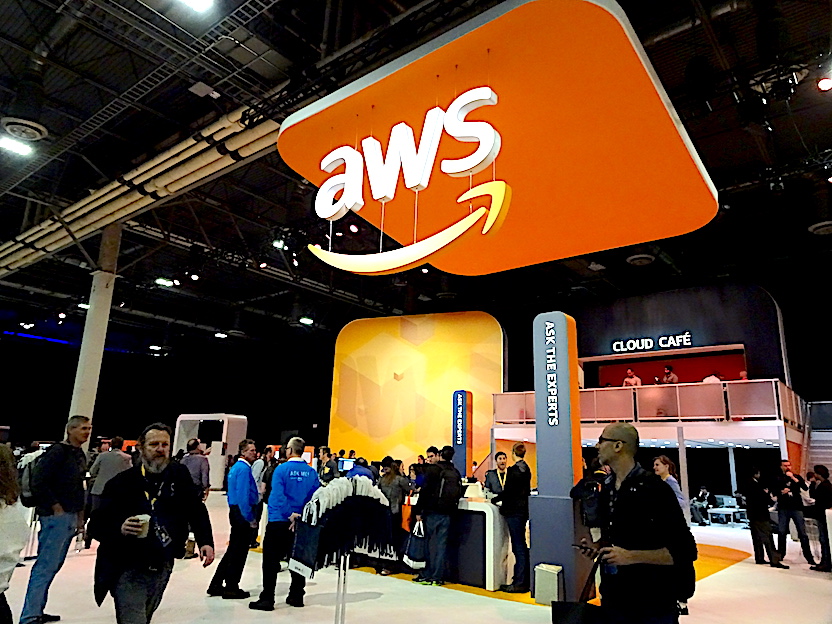
In a low-key announcement on Thursday that only started making the rounds this morning, Amazon Web Services Inc. introduced a new service to take on Okta Inc. and other established single sign-on providers.
The tool has a fairly straightforward value proposition. Organizations can use AWS SSO to let users access the different assets in their internal cloud environments with a single set of login credentials. Removing the need for workers to memorize multiple passwords lowers the risk that they’ll get locked out of a service, which in turn reduces the number of help requests sent to administrators.
What makes AWS SSO noteworthy is that its capabilities are not limited to the provider’s own platform. The tool features built-in support for popular outside cloud services such as Office 365, Salesforce and Box. Companies can easily add integration with other applications as well so long as they’re compatible with the widely implemented SAML security standard.
The latter feature puts AWS SSO in direct competition with the likes of Okta. Facing off against the cloud giant could prove to be a major challenge for established single sign-on providers if its strong track record in other markets is any indication.
That’s especially true since AWS SSO is currently available for free, which gives companies a powerful incentive to switch over. It helps that a significant portion of the world’s enterprises already rely on the cloud platform to support their operations. For now, the service will be available only in AWS’ North Virginia-based eastern cloud region.
AWS is continuously expanding its reach into more areas. The introduction of the new single sign-on service comes hot on the heels of the company’s re:Invent customer conference in Las Vegas, which witnessed several major product launches. The Amazon.com Inc. subsidiary unveiled, among other things, a bare-metal instance family, a virtual reality development service called Sumerian and a set of translation tools.
A similarly aggressive expansion strategy directs the company’s decisions outside the cloud market. Amazon most recently moved into private-label sportswear with the launch of several homegrown fashion brands and has reportedly set its sights on the medical device industry, too.
… We’d like to tell you about our mission and how you can help us fulfill it. SiliconANGLE Media Inc.’s business model is based on the intrinsic value of the content, not advertising. Unlike many online publications, we don’t have a paywall or run banner advertising, because we want to keep our journalism open, without influence or the need to chase traffic.The journalism, reporting and commentary on SiliconANGLE — along with live, unscripted video from our Silicon Valley studio and globe-trotting video teams at theCUBE — take a lot of hard work, time and money. Keeping the quality high requires the support of sponsors who are aligned with our vision of ad-free journalism content.
If you like the reporting, video interviews and other ad-free content here, please take a moment to check out a sample of the video content supported by our sponsors, tweet your support, and keep coming back to SiliconANGLE.






