



 EMERGING TECH
EMERGING TECH
EMERGING TECH
EMERGING TECH

Global attention on the legal status of cryptocurrencies is heating up, suggesting that governments are getting serious about regulating the fast-growing digital assets.
Both the United States and Israel are joining a number of nations around the world that are considering new laws or have made rulings in relation to how cryptocurrencies are handled.
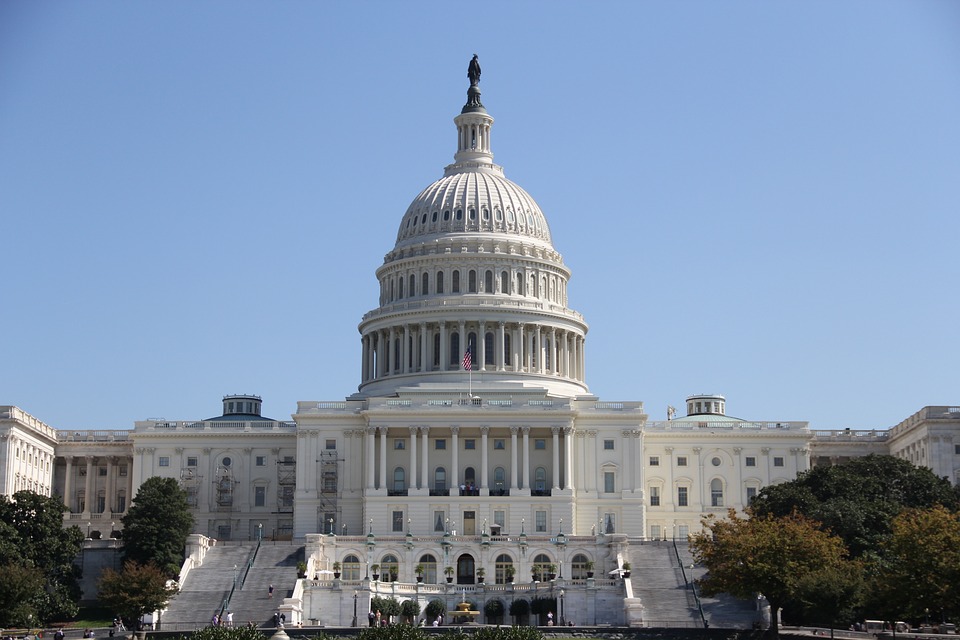
In the U.S., Reuters reported that lawmakers are moving to consider new rules that could impose stricter federal oversight on “the emerging asset class.” Referencing several top lawmakers, the report claims that there’s growing bipartisan momentum in both the Senate and the House of Representatives for “action to address the risks posed by virtual currencies to investors and the financial system.”
Regulation is also obtaining support from free-market Republican conservatives as “regulation could be needed if cryptocurrencies threaten the U.S. economy.” Those threats include the usual gauntlet of alarmist positions, such as cryptocurrencies being used for money laundering and terrorist financing.
But notably, following the recent bitcoin correction, there’s also concern about the escalating number of scams. “We have to look carefully at all of the cryptocurrencies and make sure individuals don’t get taken advantage of,” Rep. Tom MacArthur said.
The process under which new regulations may be introduced kicked off with a presentation by U.S. regulators at a Senate hearing on cryptocurrencies Feb. 7. There were no surprises at the hearing, but Christopher Giancarlo, chairman of the Commodity Futures Trading Commission, and Jay Clayton, chairman of the Securities and Exchange Commission told the Senate banking committee that they needed new powers to protect consumers from fraud on cryptocurrency exchanges and in initial coin offerings.
In Israel, the government Tax Authority today published a “professional circular regulating taxation of virtual currencies” that said that the authority’s position is that cryptocurrencies are assets rather than currencies and will be taxed accordingly. According to JewishPress, investors in bitcoin or similar virtual coins will have to pay a capital gains tax on its value of 20 to 25 percent, with those who trade cryptocurrencies for business purposes also required to pay a value-added tax of 17 percent on top of that.
The Jewish state initially took a wait-and-see approach to bitcoin and cryptocurrencies going back to 2014 before news emerged late last year that the country’s financial regulator would move to ban companies based on bitcoin and other digital currencies from trading on the Tel Aviv Stock Exchange.
The news from Israel and the United States tracks growing global attention given to cryptocurrencies at a government level. On Sunday, Switzerland issued guidelines to support the initial coin offering market and boost new blockchain technologies, while India announced Feb. 1 that it planned to ban all cryptocurrencies. China is the largest country so far to essentially ban the use of cryptocurrencies, while Japan conversely moved to regulate them last year.
South Korea may or may not be introducing either new regulations or an outright ban. On Sunday, a government official who guided the country’s recent limits on cryptocurrencies died Sunday of an apparent heart attack, according to a government spokesman. Jung Ki-joon, the 52-year-old head of economic policy at the Office for Government Policy Coordination, helped efforts to create new legislation intended to prevent cryptocurrency speculation and illicit activity, a spokesman told the Wall Street Journal. The paper said colleagues reported he was “under heavy stress” in recent months concerning the cryptocurrency policy machinations.
… We’d like to tell you about our mission and how you can help us fulfill it. SiliconANGLE Media Inc.’s business model is based on the intrinsic value of the content, not advertising. Unlike many online publications, we don’t have a paywall or run banner advertising, because we want to keep our journalism open, without influence or the need to chase traffic.The journalism, reporting and commentary on SiliconANGLE — along with live, unscripted video from our Silicon Valley studio and globe-trotting video teams at theCUBE — take a lot of hard work, time and money. Keeping the quality high requires the support of sponsors who are aligned with our vision of ad-free journalism content.
If you like the reporting, video interviews and other ad-free content here, please take a moment to check out a sample of the video content supported by our sponsors, tweet your support, and keep coming back to SiliconANGLE.






