 BIG DATA
BIG DATA
BIG DATA







BIG DATA

The rapidly expanding threat landscape is testing the ability of enterprise security organizations to meet the speed and scale of attacks on the same terms. On Tuesday, Fortinet Inc. announced the release of a new product to help even the playing field.
FortiGuard AI delivers automated threat analysis and detection as part of Fortinet’s Security Fabric solutions. The new self-evolving offering was developed by the company’s FortiGuard Labs, a division of 240 researchers and analysts in 31 countries.
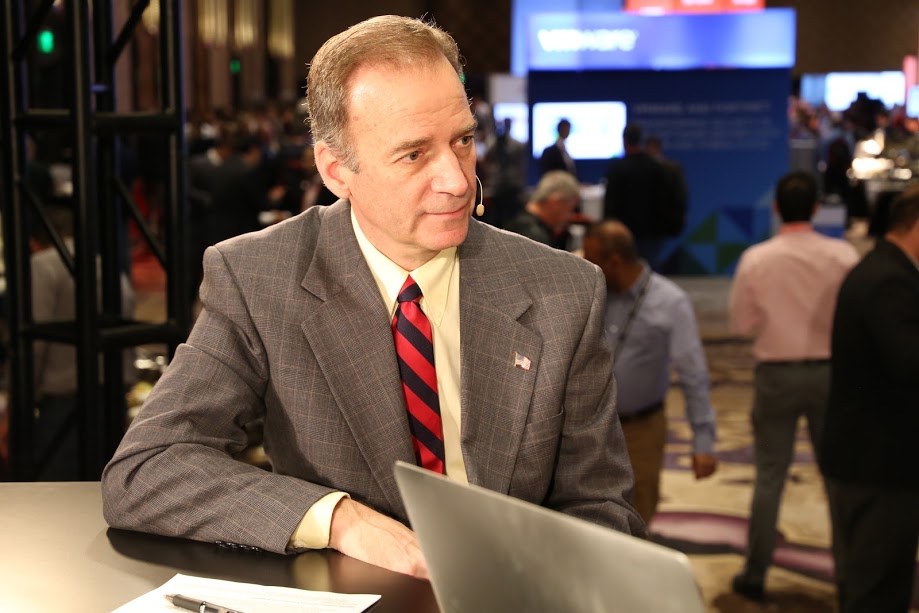
“It’s about leveraging technology to our advantage, rather than people being the slaves to machines,” said Phil Quade (pictured), chief information security officer at Fortinet. “We need computer science to do that rather than creating busywork for humans.”
Quade visited the set of theCUBE, SiliconANGLE Media’s mobile livestreaming studio, during the Fortinet Accelerate event in Las Vegas, Nevada, and spoke with co-hosts Lisa Martin (@LuccaZara) and Peter Burris (@plburris). They discussed the need to prepare for future threats caused by increased availability of quantum computing and the evolving power of the CISO. (* Disclosure below.)
Another significant project that Fortinet is coordinating involves quantum resistant encryption. With the advent of quantum computing, cybercriminals could develop the ability to break public-key cryptography, which provides the basic protection fundamentals supporting bank transactions and secure browsing.
“We’re implementing the algorithms today to future-proof our products against the quantum computer,” Quade explained. “We’re planning these things now so we can make sure that we’re ready and aren’t surprised by the actual compute power that’s required of quantum resisted cryptography or aren’t surprised when the adversary does in fact have one.”
One of the major dynamics within the information technology industry is the evolving role of the CISO. In many companies, it was not unusual for a limited number of executives, such as the CEO, CFO or general counsel, to have ultimate veto power over a particular corporate decision. Today, the CISO is beginning to generate that kind of leverage as well.
“It becomes a responsibility of the CISO to make sure that the risks are properly understood and co-managed,” Quade said. “Increasingly, the CISO can say no because the exposure for a company is just too broad to take risks that you can’t understand.”
Watch the complete video interview below, and be sure to check out more of SiliconANGLE’s and theCUBE’s coverage of Fortinet Accelerate 2018. (* Disclosure: Fortinet Inc. sponsored this segment of theCUBE. Neither Fortinet nor other sponsors have editorial control over content on theCUBE or SiliconANGLE.)
Support our mission to keep content open and free by engaging with theCUBE community. Join theCUBE’s Alumni Trust Network, where technology leaders connect, share intelligence and create opportunities.
Founded by tech visionaries John Furrier and Dave Vellante, SiliconANGLE Media has built a dynamic ecosystem of industry-leading digital media brands that reach 15+ million elite tech professionals. Our new proprietary theCUBE AI Video Cloud is breaking ground in audience interaction, leveraging theCUBEai.com neural network to help technology companies make data-driven decisions and stay at the forefront of industry conversations.





