 BIG DATA
BIG DATA
BIG DATA







BIG DATA

One well-known global shoe manufacturer had a real-time problem. Its highly identifiable, brand-name shoes were being diverted in shipments around the world and sold outside of channels in gray markets. But tracking the shipments took weeks, and by the time an investigation had been completed, the shoes were long gone.
Working with the real-time application platform Vantiq, this particular shoe company created a sensor-driven system that allowed security managers to know immediately when a box had been erroneously re-directed or even if a pair of shoes were sold at the wrong price. What used to take weeks, had now become minutes.
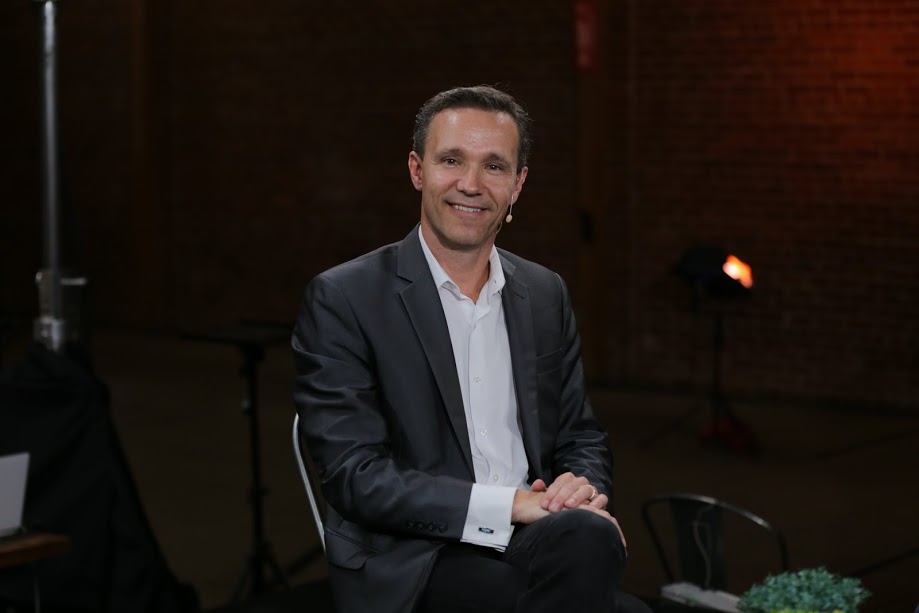
“The key to digital transformation is [built] around the concept of real time,” said Blaine Mathieu (pictured), chief marketing officer of Vantiq Corp. “A new type of application needed to be created that’s not fundamentally database centric, but it’s able to take these real-time data streams coming in … process them in real-time and take an action.”
Mathieu spoke with Peter Burris (@plburris) and Lisa Martin (@LuccaZara), co-hosts of theCUBE, SiliconANGLE Media’s mobile livestreaming studio, at the BigData SV event in San Jose, California. They discussed Vantiq’s work in complex event processing and the need for speed in meeting enterprise computing demands.
In February, Vantiq announced the release of its latest high-productivity platform for building and deploying its applications. The company’s focus on complex event processing comes at a time when the enterprise is dealing with data streams from a multitude of sources, including “internet of things” devices, augmented reality platforms and autonomous vehicles.
“All of these new real-time technologies are spinning off more and more events, streams of these events coming off in rapid fashion, and we have to be able to do something about them,” Mathieu explained. “The secret sauce to this whole thing is to be able to create these transformative applications … in a way which is very fast.”
Complex event processing has a history dating back to the 1990s when engines were needed for highly specialized, niche tasks. Events, characterized by Mathieu as real-time occurrences informed by data, now comprise singular activities that happen constantly, such as moving a car from one location to another or increasing a machine’s temperature by one degree.
“It surprises me that a lot of the people we talk to have never heard of the concept,” Mathieu said. “An event is just something that happens in the context of business.”
Watch the complete video interview below, and be sure to check out more of SiliconANGLE’s and theCUBE’s coverage of the BigData SV event.
Support our mission to keep content open and free by engaging with theCUBE community. Join theCUBE’s Alumni Trust Network, where technology leaders connect, share intelligence and create opportunities.
Founded by tech visionaries John Furrier and Dave Vellante, SiliconANGLE Media has built a dynamic ecosystem of industry-leading digital media brands that reach 15+ million elite tech professionals. Our new proprietary theCUBE AI Video Cloud is breaking ground in audience interaction, leveraging theCUBEai.com neural network to help technology companies make data-driven decisions and stay at the forefront of industry conversations.





