



 CLOUD
CLOUD
CLOUD
CLOUD
CLOUD

When most people think of email, it’s rarely about something that is new or innovative. A new proposed email standard supported by some of the biggest names online could change that, at least for marketing and security purposes.
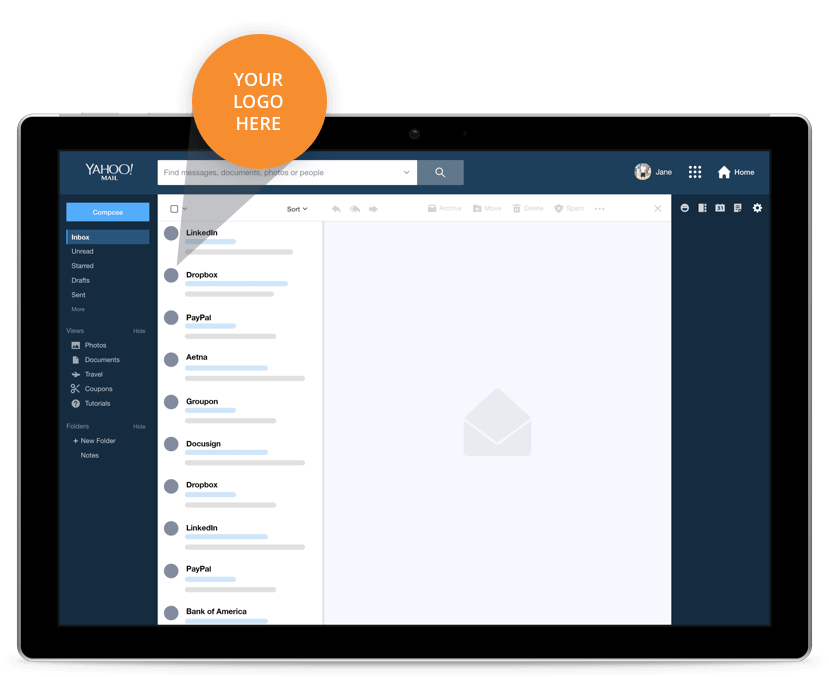
The Brand Indicators for Message Identification or BIMI standard, designed by Agari Data Inc., ValiMail Inc. and others as a way for brands to publish their logos as part of emails, today announced the first BIMI pilot with the support of Comcast Corp., Google LLC, Microsoft Corp. and Oath Inc.
The standard, which allows companies to display their logos as a standard part of the email, is being pitched as a way to increase trust with customers as well as leading to more revenue by increasing response rates and engagement.
It may not sound like much up front, but the BIMI standard includes built-in protections to safeguard the brand, application providers and consumers from impersonation attempts as well, meaning it’s not only a marketing ploy but a security-minded antiphishing standard as well.
“BIMI-sourced logos appear on screen real estate controlled by the email application, not in the body of the email, making them more visible to the user and preventing cybercriminals from faking the
brand indicator,” Agari explained.
The use of logos under the standard restricts logo use only to senders whose internet domains are authenticated via the Domain-based Message Authentication, Reporting & Conformance standard. In a second level of security, domain owners will need to add BIMI instructions to their Domain Name System records, including the URL for the location of the file containing the logo, for verification.
Yahoo Mail will be the first email service to pilot the BIMI standard across its mobile, web and desktop applications, with Aetna Inc., Groupon Inc. and others including financial services companies, airlines and tech firms the first to send emails using the standard.
“This is a win-win situation; the brand has better exposure, better control of their logo, higher engagement on the consumer side, it’s more secure and Yahoo can authenticate emails in our system,” said Marcel Becker, director of product management for Oath. “BIMI logos aren’t just for email. They can be incorporated into any internet-based communications service including social media apps, online services, messaging services and more. It is being developed as an open standard available to any company wishing to implement it, without licensing fees.”
The BIMI standard itself is being developed by the Authindicators Working Group, chaired by an Agari official. Further details on the standard are available here.
… We’d like to tell you about our mission and how you can help us fulfill it. SiliconANGLE Media Inc.’s business model is based on the intrinsic value of the content, not advertising. Unlike many online publications, we don’t have a paywall or run banner advertising, because we want to keep our journalism open, without influence or the need to chase traffic.The journalism, reporting and commentary on SiliconANGLE — along with live, unscripted video from our Silicon Valley studio and globe-trotting video teams at theCUBE — take a lot of hard work, time and money. Keeping the quality high requires the support of sponsors who are aligned with our vision of ad-free journalism content.
If you like the reporting, video interviews and other ad-free content here, please take a moment to check out a sample of the video content supported by our sponsors, tweet your support, and keep coming back to SiliconANGLE.






