



 WOMEN IN TECH
WOMEN IN TECH
WOMEN IN TECH
WOMEN IN TECH

Facebook may be scrambling to reassure its two billion users that their data privacy is being respected, but no one can deny that data willingly and openly shared is being appropriated for proprietary profit by the big social networks. Changing this equation to give the power back to the individual is communication platform provider Sensay Inc.
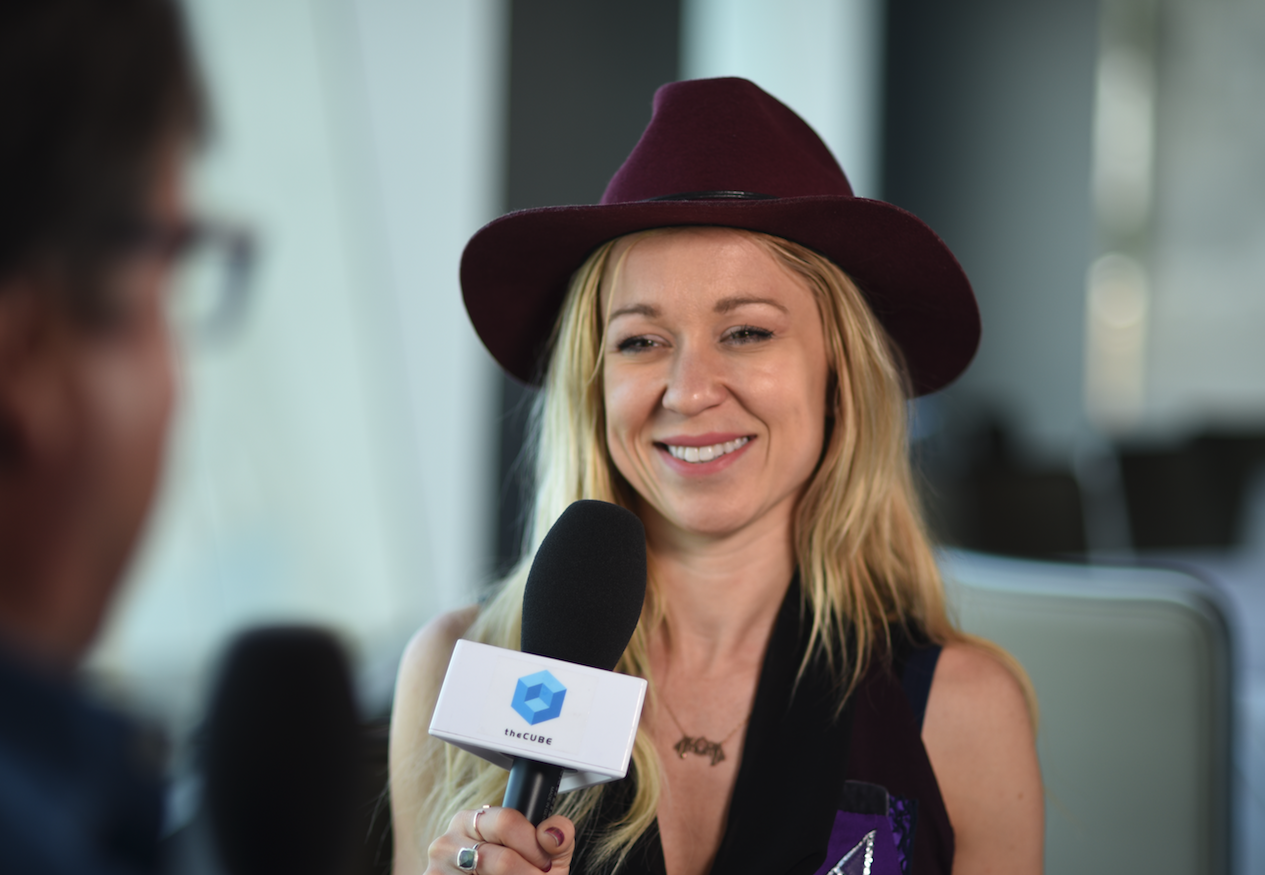
“We want the data to be distributed, we want it to be owned by the user, and we want it to be accessible by anyone that they want to give access to,” said Crystal Rose, (pictured) co-founder and chief executive officer of Sensay.
Rose spoke with John Furrier (@furrier), host of theCUBE, SiliconANGLE Media’s mobile livestreaming studio, at the CoinAgenda event in San Juan, Puerto Rico. The discussion covered changing the equation of how people communicate, the new model of regenerative philanthropy, and rebuilding Puerto Rico as “Crypto Island.”
Sensay enables free interaction across centralized messaging platforms, such as Facebook Messenger, Telegram or Slack, making them transparent, interoperable and decentralized. “We built Sensay to connect everyone together without any borders or intermediaries,” Rose said.
Peers using Sensay reward each other by “tipping” with SENSE tokens, building up cryptocurrency credits. Although Sensay was originally based on the theory that we all are senseis — teachers with our own unique life experiences – and that every conversation is a transaction of knowledge, Rose and the creators of Sensay soon realized that there was greater disruptive potential in the platform.
“[We saw that] the layer underneath really was the most powerful thing,” said Rose, explaining how the SENSE network evolved so that app and bot developers could leverage the platform for direct access to people and personal data. Cutting out the middleman means that direct payment, in SENSE tokens, can be given for knowledge shared.
“You get paid if you contribute data or users. And, vice versa, you can pay to access them. What that’s doing is it’s taking away the advertising model from being the only entity that’s earning a profit on the data,” Rose said.
Here’s the complete video interview, and there’s much more SiliconANGLE and theCUBE coverage of the CoinAgenda event:
… We’d like to tell you about our mission and how you can help us fulfill it. SiliconANGLE Media Inc.’s business model is based on the intrinsic value of the content, not advertising. Unlike many online publications, we don’t have a paywall or run banner advertising, because we want to keep our journalism open, without influence or the need to chase traffic.The journalism, reporting and commentary on SiliconANGLE — along with live, unscripted video from our Silicon Valley studio and globe-trotting video teams at theCUBE — take a lot of hard work, time and money. Keeping the quality high requires the support of sponsors who are aligned with our vision of ad-free journalism content.
If you like the reporting, video interviews and other ad-free content here, please take a moment to check out a sample of the video content supported by our sponsors, tweet your support, and keep coming back to SiliconANGLE.






