



 EMERGING TECH
EMERGING TECH
EMERGING TECH
EMERGING TECH

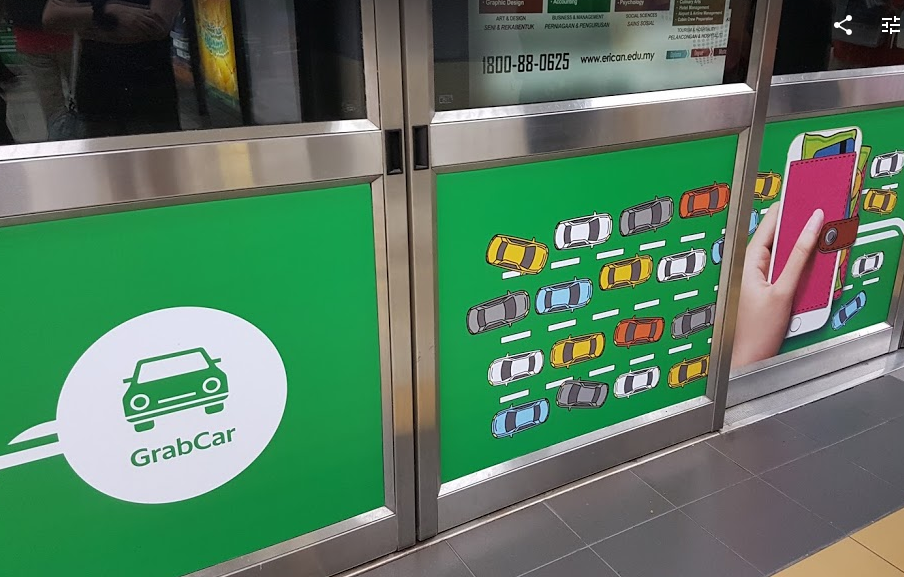
Uber Technologies Inc.’s deal to sell its Southeast Asian operations to Grab Taxi Pte. Ltd. is facing regulatory pushback in the region as a number of countries have expressed concern about the deal lessening competition in local markets.
Leading the pack is the Philippines, where the country’s antitrust agency on Saturday ordered Uber to continue its domestic operations pending a review of the competitive consequences of the deal. “This virtual monopolization of the market by Grab can harm the riding public,” Philippine Competition Commission chairman Arsenio Balisacan was quoted as saying.
Stopping a merger of business operations may sound like a difficult task, but the order has precedent. Balisacan noted that the Competition and Consumer Commission of Singapore issued a similar order April 6. It requires Uber and Grab to maintain their pretransaction independent pricing and to suspend the shutdown of Uber services until at least April 15 pending a review on competition grounds.
Adding to the number of countries investigating the deal, Malaysia’s Competition Commission said April 2 that it had also launched an investigation into the deal on competition grounds. “We have stressed that if there is any anti-competitive behavior, the Competition Act will come into force,” a government spokesperson said. “We have spelled this out to them.”
Aside from potentially implementing price controls, there is likely little governments can do. Even if the deal is blocked, Uber can simply shut down operations anyway, leaving Grab as the dominant operator.
“Rather than throwing out the deal, and especially with potential new entrants coming in, I believe that with the right safeguards, with the right commitments, the deal can still go through,” Gerald Singham, deputy managing partner at law firm Dentons Rodyk, told Reuters. Those commitments could include concessions such as price restrictions and agreeing to greater regulations.
Concerns about the anticompetitive nature of the deal may be well-founded. The Malay Mail noted that post-Didi Chuxing Technology Co.’s takeover of Uber’s China operations, customers in Beijing and other cities reported fares rising by as much as 20 percent.
Competition is often cited as a solution to Grab gaining absolute market dominance. But with the exception of Indonesia, where the homegrown GO-JEK (PT Aplikasi Karya Anak Bangsa) is the market leader, other Southeast Asian countries lack existing competitors of any size.
That may be set to change, however. Reuters reported March 27 that GO-JEK was set to launch an expansion into other Southeast Asian countries in the coming weeks. Google LLC is a major investor in GO-JEK.
… We’d like to tell you about our mission and how you can help us fulfill it. SiliconANGLE Media Inc.’s business model is based on the intrinsic value of the content, not advertising. Unlike many online publications, we don’t have a paywall or run banner advertising, because we want to keep our journalism open, without influence or the need to chase traffic.The journalism, reporting and commentary on SiliconANGLE — along with live, unscripted video from our Silicon Valley studio and globe-trotting video teams at theCUBE — take a lot of hard work, time and money. Keeping the quality high requires the support of sponsors who are aligned with our vision of ad-free journalism content.
If you like the reporting, video interviews and other ad-free content here, please take a moment to check out a sample of the video content supported by our sponsors, tweet your support, and keep coming back to SiliconANGLE.






