 APPS
APPS
APPS
APPS







APPS

The United States Air Force calls its coding initiative the Pathfinder Project, but the airmen participating in a new approach for the delivery of combat applications preferred to name their work after a hyperspace route used by renegade freighter captains in the legendary “Star Trek” television series: Kessel Run.
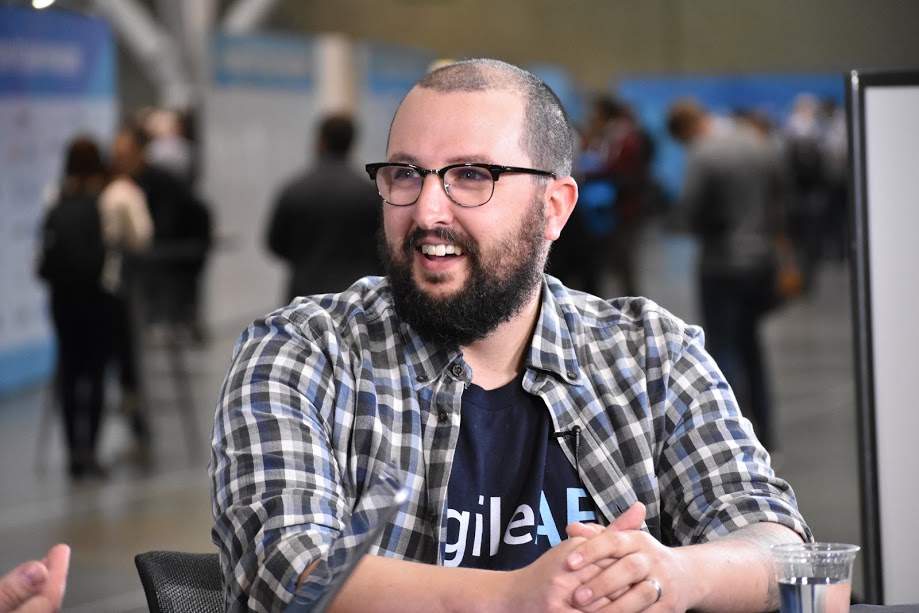
“The joke is that we’re delivering capability to our users in 12 parsecs or quicker,” said Adam Furtado (pictured), chief product officer at the U.S. Air Force. “Kessel Run is an effort to revolutionize how we build and deliver software to our warfighters, and we are well on our way.”
Furtado spoke with Stu Miniman (@stu), host of theCUBE, SiliconANGLE Media’s mobile livestreaming studio, at the Cloud Foundry Summit in Boston, Massachusetts. They discussed the project’s importance to the Air Force, obstacles that had to be overcome, and assistance provided by Cloud Foundry Foundation. (* Disclosure below.)
The coding project was born out of a need to create innovative, custom-built software for warfighters and deploy it swiftly. Kessel Run has already made a difference for projects such as saving jet fuel and making combat operations more precise.
But the project’s airmen had to overcome a number of obstacles first, not the least of which was dealing with government bureaucracy. “Ninety-six percent of federal information technology projects are over budget or over schedule, and 40 percent of them never see a user at all,” Furtado said. “What we’re trying to replace is that massive monolithic system that takes us 10 years to design and develop with no meaningful user input. There’s a lot of room for improvement in this space.”
The airmen turned to the private sector for guidance, extracting useful practices that could be applied to the government. They also leveraged resources available through the Cloud Foundry Foundation to build expertise needed for the ambitious project.
“Being able to extract the technical complexity that [Cloud Foundry] does allows us to grow our software developers in a different way, focusing on identifying the character traits and mindset,” Furtado said. “It’s worked out really well so far.”
Watch the complete video interview below, and be sure to check out more of SiliconANGLE’s and theCUBE’s coverage of the Cloud Foundry Summit. (* Disclosure: TheCUBE is a paid media partner for the Cloud Foundry Summit. Neither the Cloud Foundry Foundation, the event sponsor, nor other sponsors have editorial control over content on theCUBE or SiliconANGLE.)
Support our mission to keep content open and free by engaging with theCUBE community. Join theCUBE’s Alumni Trust Network, where technology leaders connect, share intelligence and create opportunities.
Founded by tech visionaries John Furrier and Dave Vellante, SiliconANGLE Media has built a dynamic ecosystem of industry-leading digital media brands that reach 15+ million elite tech professionals. Our new proprietary theCUBE AI Video Cloud is breaking ground in audience interaction, leveraging theCUBEai.com neural network to help technology companies make data-driven decisions and stay at the forefront of industry conversations.





