 CLOUD
CLOUD
CLOUD
CLOUD







CLOUD

For many, the concept of digital transformation is considered a buzzword, but it’s quickly becoming apparent that there’s more to the trend. Across industries, from longstanding insurance companies to government institutions to hipster startups, the evolution is happening for modernizing applications and embracing developer-driven operations is through open-source. One popular platform, Cloud Foundry, is solidifying its ecosystem to enable the digital transformation in enterprise computing environments and beyond.
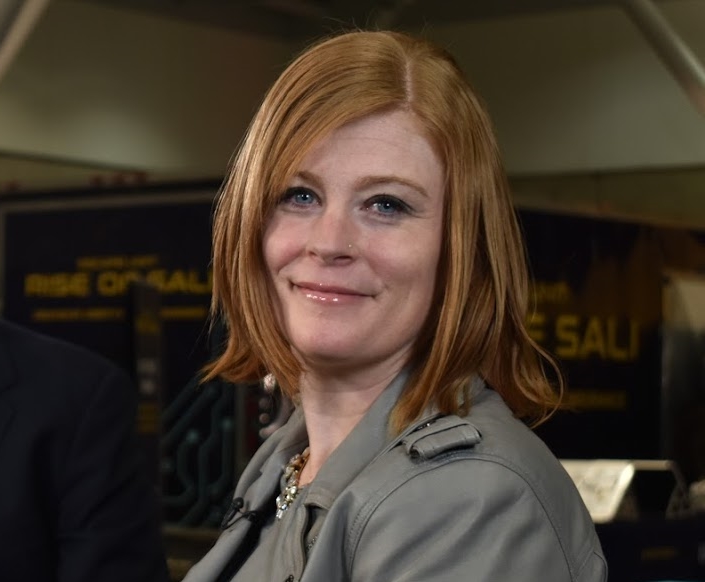
“It’s one of the more mature products that I see out there that people are using today, and it works,” said Lauren Cooney (pictured), founder and chief executive officer of Spark Labs. “You don’t have to cobble things together … it’s pretty seamless for the most part.”
Cooney spoke with Stu Miniman (@stu), host of theCUBE, SiliconANGLE Media’s mobile livestreaming studio, at the Cloud Foundry Summit in Boston, Massachusetts. They discussed the conference and Cloud Foundry’s ecosystem. (* Disclosure below.)
Cloud Foundry — which started in VMware, Inc., and then transferred to Pivotal Software, Inc. — has evolved into a sizable ecosystem that is helping a wide array of companies become digitally savvy and evolve into the digital space through open source. The number of members and the quality of end users are important to look at when assessing an ecosystem, according to Cooney, and Cloud Foundry has been successful so far.
“For example, you had T-Mobile on stage [at the event], and they have 1,700 users of Cloud Foundry that are actually building across that in their own company,” Cooney said. “So that right there is a pretty good number for one company.” Cloud Foundry is enterprise ready and it works, Cooney added.
Kubernetes and Cloud Foundry don’t compete against each other, either, according to Cooney. “Cloud Foundry and Kubernetes actually are complementary,” she said. “[On] both platforms there are tools that can be enabled on Cloud Foundry for … situations that developers and companies need. … [They are] two things running side by side that work with each other.”
Cooney is most excited about the new SUSE Cloud Application Platform that brings Kubernetes and Cloud Foundry together for Cloud.gov. “I think that is just phenomenal that they pulled that together,” she concluded.
Watch the complete video interview below, and be sure to check out more of SiliconANGLE’s and theCUBE’s coverage of the Cloud Foundry Summit. (* Disclosure: TheCUBE is a paid media partner for the Cloud Foundry Summit. Neither the Cloud Foundry Foundation, the event sponsor, nor other sponsors have editorial control over content on theCUBE or SiliconANGLE.)
Support our mission to keep content open and free by engaging with theCUBE community. Join theCUBE’s Alumni Trust Network, where technology leaders connect, share intelligence and create opportunities.
Founded by tech visionaries John Furrier and Dave Vellante, SiliconANGLE Media has built a dynamic ecosystem of industry-leading digital media brands that reach 15+ million elite tech professionals. Our new proprietary theCUBE AI Video Cloud is breaking ground in audience interaction, leveraging theCUBEai.com neural network to help technology companies make data-driven decisions and stay at the forefront of industry conversations.





