



 BIG DATA
BIG DATA
BIG DATA
BIG DATA

Coca-Cola Co.’s journey to connect personally with consumers began in the mid-2010s with the worldwide Share A Coke campaign, where beverage cans and bottles were labeled with the most popular names from each respective country. The tactic was successful but left out a significant portion of Coke drinkers frustrated that no bottles expressed their names.
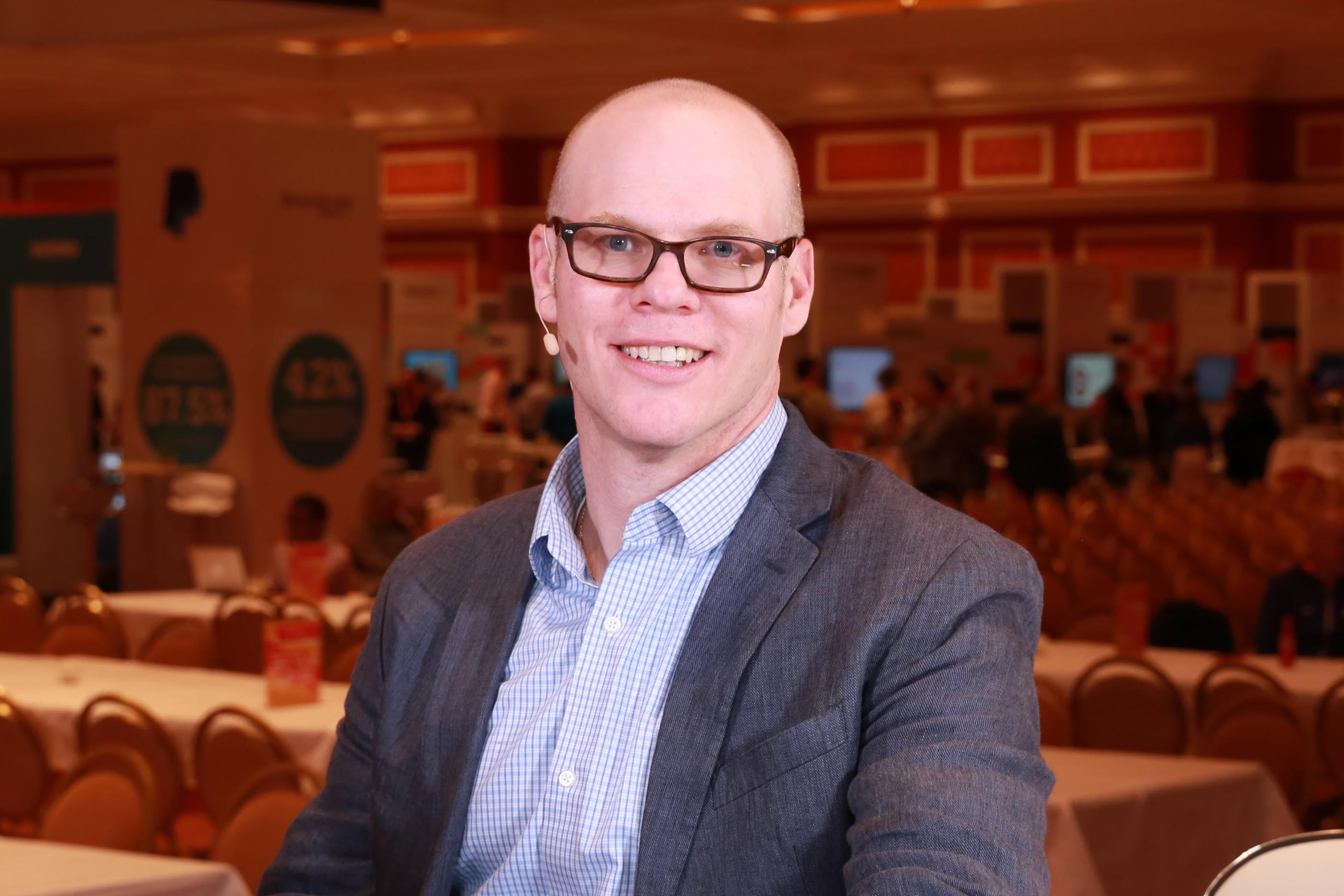
“People started going, ‘Well, I can’t find my name on a bottle in the store. How can I get my name?’” said Todd Skidmore (pictured), senior manager of e-commerce at The Coca-Cola Co. Feedback in hand, the bottler turned to technology for a more inclusive, e-commerce campaign.
Skidmore spoke with Lisa Martin (@LuccaZara), co-host of theCUBE, SiliconANGLE Media’s mobile livestreaming studio, at the Imagine 2018 event in Las Vegas. They discussed the Share A Coke campaign and Coca-Cola’s direct-to-consumer marketing initiatives. (* Disclosure below.)
After listening to customer feedback to its Share A Coke ad campaign, Coca-Cola made its first foray into e-commerce: the launch of the Share A Coke website, where customers could order custom bottles with their name on them.
“You weren’t restricted to what was in the store, or even if it was in the store and you couldn’t find it. Now you had an opportunity to bring that to life,” Skidmore said.
Just three years later, Coca-Cola has gone from the Share A Coke site with one infinitely customizable item — the coke bottle — to a full online store that offers more than 6,000 coke-related items, including licensed merchandise, gift packages, and even novelty clothing, such as polar bear slippers.
“Really, the whole thing has been about connecting with consumers, listening to what consumers want, and then bringing those experiences and the brand in a really special and unique way,” Skidmore stated. “Driving our roadmap forward will we always be unique, special, personal.”
Watch the complete video interview below, and be sure to check out more of SiliconANGLE’s and theCUBE’s coverage of the Imagine 2018 event. (* Disclosure: TheCUBE is a paid media partner for the Imagine 2018. Neither Magento Inc., the event sponsor, nor other sponsors have editorial control over content on theCUBE or SiliconANGLE.)
… We’d like to tell you about our mission and how you can help us fulfill it. SiliconANGLE Media Inc.’s business model is based on the intrinsic value of the content, not advertising. Unlike many online publications, we don’t have a paywall or run banner advertising, because we want to keep our journalism open, without influence or the need to chase traffic.The journalism, reporting and commentary on SiliconANGLE — along with live, unscripted video from our Silicon Valley studio and globe-trotting video teams at theCUBE — take a lot of hard work, time and money. Keeping the quality high requires the support of sponsors who are aligned with our vision of ad-free journalism content.
If you like the reporting, video interviews and other ad-free content here, please take a moment to check out a sample of the video content supported by our sponsors, tweet your support, and keep coming back to SiliconANGLE.






