 BIG DATA
BIG DATA
BIG DATA







BIG DATA

From creation to deletion, data has a lifecycle, and IBM Corp. is focused on helping its customers manage that process from end-to-end. The work is not always easy and involves a lot of moving pieces, including discovery, storage, compliance and migration, all over the space of hours, weeks, months or years.
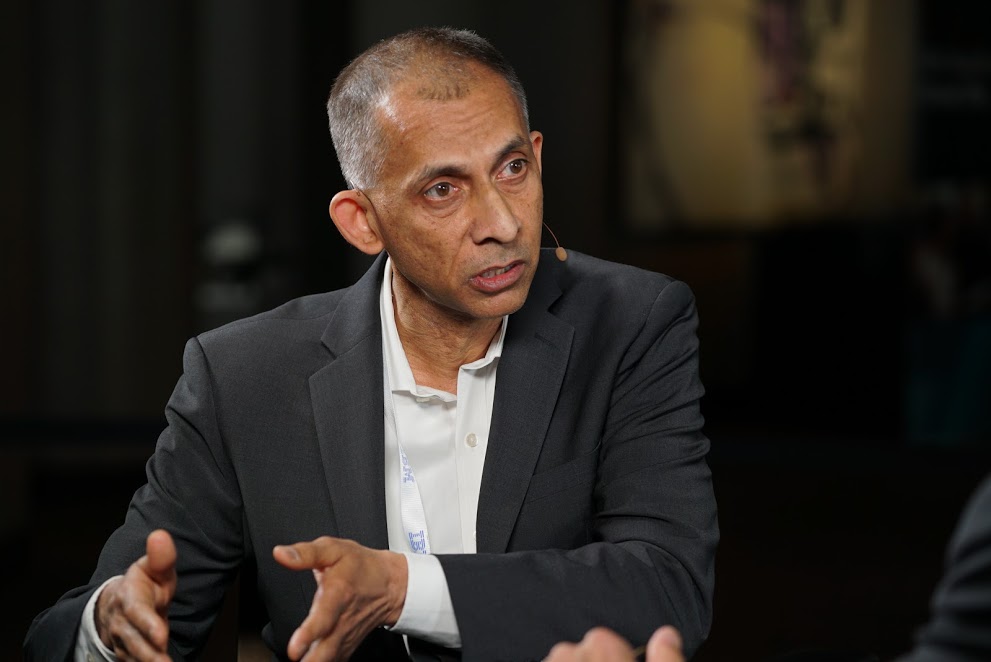
Krishna Venkatraman (pictured), vice president of data science and data governance at IBM, has spent many years evaluating the optimal ways to address data lifecycle challenges. In his previous role with On Deck Capital, Inc., Venkatraman saw firsthand the challenges faced by businesses as they sought to extract value from the data they had. His work at IBM is designed to address that problem.
“The company doesn’t have to think about the pain of getting value extracted from data,” Venkatraman said. “I trust data just like I trust the other things in life, like when I go buy a book. All of the information is there.”
Venkatraman spoke with Dave Vellante (@dvellante), host of theCUBE, SiliconANGLE Media’s mobile livestreaming studio, at the IBM Chief Data Officer Strategy Summit in San Francisco, California. They discussed the potential impact of new data privacy regulations and the potential for consumers to own and monetize their own data. (* Disclosure below.)
Trust in data involves knowing where it resides and what it contains, a process that is about to get the acid test later this month when the General Data Protection Regulation goes into effect for businesses that hold data on European citizens. In many ways, GDPR is going to turn companies doing business in Europe into data scientists, faced with having to thoroughly analyze and manage information assets.
“If you solve the GDPR problem well, you have to understand your data assets very well and you have to have it governed well, which is exactly the same need for data scientists,” Venkatraman said.
With new regulation fueling pressure to account for massive amounts of data, could we see a time when consumers would own and monetize their information? “The technologies are falling into place for that model to possibly become real,” said Venkatraman, pointing to blockchain technology as one potential tool. “Because people are going to have access to more of their information, it will lead to a change in business models in certain cases.”
Watch the complete video interview with Venkatraman below, and be sure to check out more of SiliconANGLE’s and theCUBE’s coverage of the IBM Chief Data Officer Strategy Summit. (* Disclosure: TheCUBE is a paid media partner for the IBM Chief Data Officer Strategy Summit. Neither IBM, the event sponsor, nor other sponsors have editorial control over content on theCUBE or SiliconANGLE.)
Support our mission to keep content open and free by engaging with theCUBE community. Join theCUBE’s Alumni Trust Network, where technology leaders connect, share intelligence and create opportunities.
Founded by tech visionaries John Furrier and Dave Vellante, SiliconANGLE Media has built a dynamic ecosystem of industry-leading digital media brands that reach 15+ million elite tech professionals. Our new proprietary theCUBE AI Video Cloud is breaking ground in audience interaction, leveraging theCUBEai.com neural network to help technology companies make data-driven decisions and stay at the forefront of industry conversations.





