



 EMERGING TECH
EMERGING TECH
EMERGING TECH
EMERGING TECH

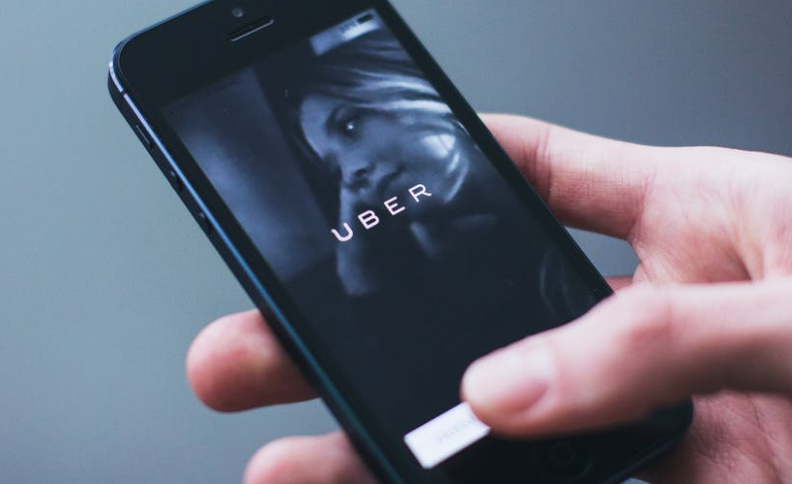
Uber Technologies Inc. today launched a new panic button for its app in response to concerns about rider safety.
The new feature, now available in the U.S., allows Uber passengers to connect to 911 in the event of an emergency, be it one caused by a recalcitrant Uber driver or an external issue. The button, first announced by Uber in April, is located within a new “safety center” menu option accessible from the app’s home screen.
The safety center itself offers more than 911 calls and includes information about key safety information, including tips built in partnership with law enforcement, driver screening processes, insurance protections and community guidelines.
To avoid accidental 911 calls, riders are asked to confirm their intention to dial 911 before the call is put through.
The move to offer easy access to emergency services comes after a number of incidents involving Uber drivers, most recently a case where a user reported that their Uber driver had fallen asleep behind the wheel while driving on a freeway in Australia.
On another front, both Uber and its rival Lyft Inc. come under scrutiny for how they pay their drivers. A subpoena from the city of San Francisco required both Uber and Lyft to turn over records relating to how the companies classify drivers, as well as driver wages, health care and other benefits as part of a yearlong investigation.
Reuters reported that the city is seeking evidence to determine whether Uber and Lyft are in compliance with a recent California Supreme Court decision that makes it much easier for workers to prove they are employees entitled to benefits and protections, rather than independent contractors.
The way ride-hailing and sharing economy companies pay their drivers has recently gained attention across the Pacific as well. One Australian political party attempted to introduce a new law that would assure drivers for services such as Uber are paid a minimum wage. An MIT study in March found that in the U.S., 75 percent of Uber and Lyft drivers make below the minimum wage, while Uber lost a case in the U.K. over minimum-wage payments in November.
… We’d like to tell you about our mission and how you can help us fulfill it. SiliconANGLE Media Inc.’s business model is based on the intrinsic value of the content, not advertising. Unlike many online publications, we don’t have a paywall or run banner advertising, because we want to keep our journalism open, without influence or the need to chase traffic.The journalism, reporting and commentary on SiliconANGLE — along with live, unscripted video from our Silicon Valley studio and globe-trotting video teams at theCUBE — take a lot of hard work, time and money. Keeping the quality high requires the support of sponsors who are aligned with our vision of ad-free journalism content.
If you like the reporting, video interviews and other ad-free content here, please take a moment to check out a sample of the video content supported by our sponsors, tweet your support, and keep coming back to SiliconANGLE.






