 CUBE EVENT COVERAGE
CUBE EVENT COVERAGE
CUBE EVENT COVERAGE







CUBE EVENT COVERAGE

Squeezing concise, actionable analysis from massive data can be challenging, even when it’s all in the same place. When it’s physically divided among many different locations, a system that spans and integrates them all is crucial. This synthesis can greatly improve decision making and save oodles of cash for businesses.
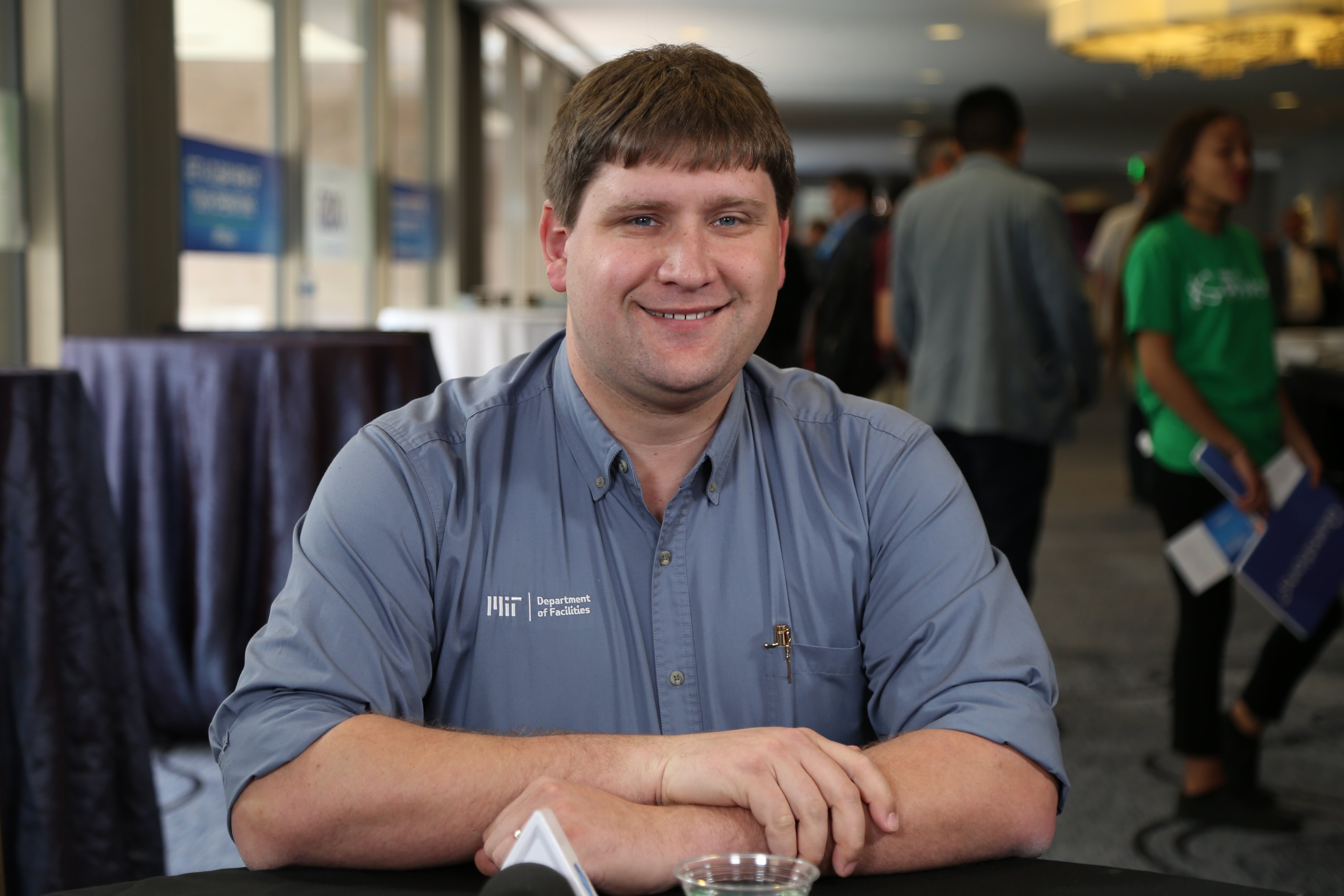
Operational intelligence technology has transformed work for Josh Raines (pictured), senior metering engineer at Massachusetts Institute of Technology. MIT brings in electricity and natural gas and then makes electricity, chilled water, and steam heat, and then distributes that to the rest of the campus. MIT has begun using the OSIsoft LLC PI system for data integration and insights. So far, it’s proving its worth for the institute, according to Raines. The MIT campus has about 120 buildings; most are not metered now, but MIT is seeking to add meters to a large number of them over the next three years.
Raines spoke with Jeff Frick (@JeffFrick), host of theCUBE, SiliconANGLE Media’s mobile livestreaming studio, at the PI World US event in San Francisco. They discussed MIT’s use of the PI system for monitoring and adjusting energy production and consumption on campus. (* Disclosure below.)
One recent success for the institute involved the monitoring of a chill-water control valve in one building. The valve was basically stuck open and profligately wasting water.
“The amount of chill water — gallon-per-minute basis — going into the building was roughly 1,200 gallons a minute full flow,” Raines saidsaid. “We dropped that down close to 150 gallons a minute. That necessitated almost shutting off a chill water pump at the plant. Estimated savings over the course of a single year, I believe, were anywhere from $60,000 to $80,000.”
Collating and analyzing PI system data should help MIT avoid similar goofs in the future, Raines pointed out. “We’ve got an entire system engineering group that is doing exactly that,” he said. “They are taking data after the fact, they are analyzing it over the last year, two years, 10 years, and determining how a building was operating 10 years ago. We may have made a full building renovation, how is it operating now, did we do better?”
Watch the complete video interview below, and be sure to check out more of SiliconANGLE’s and theCUBE’s coverage of the PI World US 2018 event. (* Disclosure: TheCUBE is a paid media partner for PI World. Neither OSIsoft LLC, the event sponsor, nor other sponsors have editorial control over content on theCUBE or SiliconANGLE.)
Support our mission to keep content open and free by engaging with theCUBE community. Join theCUBE’s Alumni Trust Network, where technology leaders connect, share intelligence and create opportunities.
Founded by tech visionaries John Furrier and Dave Vellante, SiliconANGLE Media has built a dynamic ecosystem of industry-leading digital media brands that reach 15+ million elite tech professionals. Our new proprietary theCUBE AI Video Cloud is breaking ground in audience interaction, leveraging theCUBEai.com neural network to help technology companies make data-driven decisions and stay at the forefront of industry conversations.





