 INFRA
INFRA
INFRA
INFRA







INFRA

The network is ever the bottleneck in information technology. Silicon Valley has waited around for years as rumors of an open, programmable network made the rounds. Now networking startups are actually manifesting it. But could legacy networking provider Cisco Systems Inc. actually deliver the best-in-class programmable network?
“This is a tell sign that the programmable network is at a seminal moment where — like the iPhone was in 2007 that changed telephony and created apps — the network is now programmable; new things are going to happen,” said John Furrier (@furrier), co-host of theCUBE, SiliconANGLE Media’s mobile livestreaming studio.
Open networking startups are raring to take a bite out of Cisco’s networking market share. Can Cisco defend its turf and lead the pack of innovators?
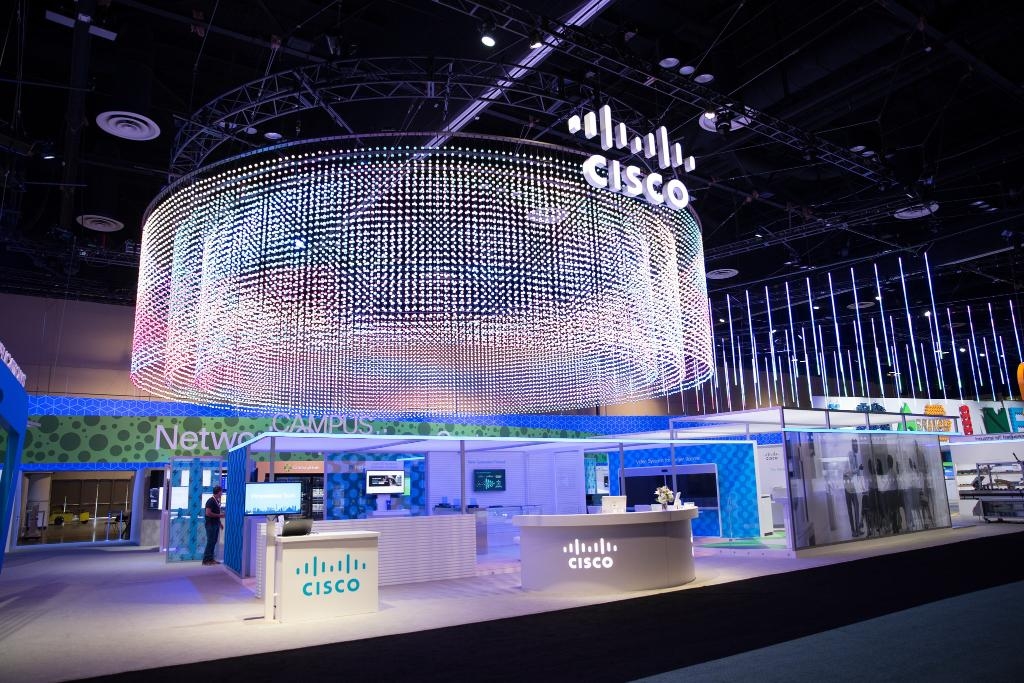
Furrier spoke with co-host Stu Miniman (@stu) during the Cisco Live event in Orlando, Florida. They discussed the disruptive potential of programmable networking and Cisco’s stance within the market.
This isn’t the first wave of network innovation that threatened to topple Cisco, according to Miniman. The company knows startups want to eat their lunch and are responding smartly.
“They’re not deaf; they’re listening to their customers. They are disrupting themselves,” Miniman said.
Company executives have declared publicly that the Cisco of the future is a software company. They are making measurable progress to that end, Miniman pointed out.
“I’m surprised at how it’s evolved, and the clarity of what’s happening is coming into focus,” Furrier said.
The Cisco DevNet community for developing with programmable networking technology now boasts 500,000 members. “DevNet has done the right thing with the open-source model — being welcoming, not elite,” Furrier said.
Cisco’s intent-based networking is built for microservices and enabled by the DevNet ecosystem. It represents a new networking model taking shape with other stuff — like cloud, Kubernetes container-orchestration management, Istio service mesh, etc. — thrown in.
“I think that’s where it connects, because if you’re a networking guy using Ansible, using Python, you’re going to naturally gravitate toward Kubernetes because it’s the same concept,” Furrier said. “If the network engineers can adopt the Kubernetes concept and take the service mesh to the next level, that to me is going to be a tell sign.”
Watch the complete video interview below, and be sure to check out more of SiliconANGLE’s and theCUBE’s coverage of the Cisco Live event.
Support our mission to keep content open and free by engaging with theCUBE community. Join theCUBE’s Alumni Trust Network, where technology leaders connect, share intelligence and create opportunities.
Founded by tech visionaries John Furrier and Dave Vellante, SiliconANGLE Media has built a dynamic ecosystem of industry-leading digital media brands that reach 15+ million elite tech professionals. Our new proprietary theCUBE AI Video Cloud is breaking ground in audience interaction, leveraging theCUBEai.com neural network to help technology companies make data-driven decisions and stay at the forefront of industry conversations.





