



 INFRA
INFRA
INFRA
INFRA
INFRA

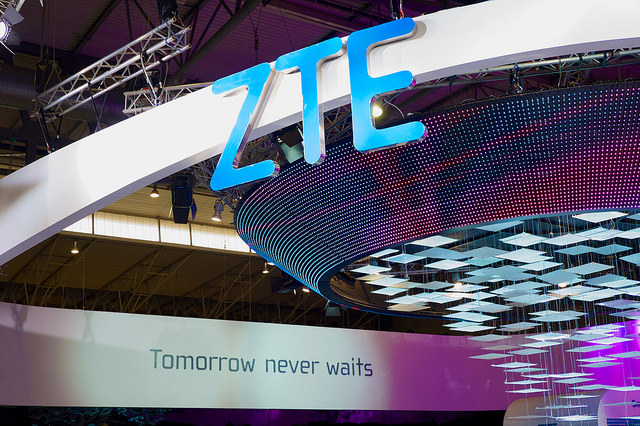
The U.S. Department of Commerce has temporarily lifted a portion of its ban on ZTE Corp. accessing U.S. technology as a deal brokered by the Trump administration moves closer to fruition despite attempts to block it.
Under the temporary reprieve issued Monday, ZTE will be able to resume some business activities with Bloomberg reporting that the decision may be a forerunner to a permanent order lifting the ban Aug. 1. Under that “definitive agreement” signed June 6, ZTE agreed to pay a $1 billion fine, place $400 million in escrow as insurance against future breaches and replace its senior management and board of directors.
The temporary authorization has a customer focus, allowing ZTE to provide support to its phone models sold to the public prior to April 15 and to receive and make payments for permissible transactions. In addition, the order allows “the disclosure to ZTE of information regarding security vulnerabilities in items owned, possessed or controlled by ZTE.”
The original ban, implemented by the Department of Commerce in April, related to ZTE breaching an agreement for access to U.S. technology after it was found guilty of selling U.S. technology to Iran and North Korea. The ban meant that ZTE, China’s second-largest telecommunications manufacturer, was denied access to chips and other technology from companies such as Qualcomm Technologies Inc. and Intel Corp. that accounted for an estimated 25 to 30 percent of the components used in its product portfolio. That caused it to announce in May that it was ceasing major operations.
Banning a large Chinese company from accessing U.S. technology and thus essentially putting it out of business was not a good look for the Trump administration at a time of heightened trade tensions and threats of a trade war between the world’s two biggest economies, leading the administration to cut a new deal.
Although it’s arguably a practical move in attempting detente with China on trade, the deal has proved highly unpopular in Congress. The Senate voted against the deal June 18. That ban still needs to progress through the House of Representatives and then get signed off by President Trump. If the ban doesn’t progress, it would need to get approved by a joint sitting of Congress in a veto-busting move, something that may take months to achieve if it gets that far. So for now, the original ZTE stands.
… We’d like to tell you about our mission and how you can help us fulfill it. SiliconANGLE Media Inc.’s business model is based on the intrinsic value of the content, not advertising. Unlike many online publications, we don’t have a paywall or run banner advertising, because we want to keep our journalism open, without influence or the need to chase traffic.The journalism, reporting and commentary on SiliconANGLE — along with live, unscripted video from our Silicon Valley studio and globe-trotting video teams at theCUBE — take a lot of hard work, time and money. Keeping the quality high requires the support of sponsors who are aligned with our vision of ad-free journalism content.
If you like the reporting, video interviews and other ad-free content here, please take a moment to check out a sample of the video content supported by our sponsors, tweet your support, and keep coming back to SiliconANGLE.






