 BIG DATA
BIG DATA
BIG DATA







BIG DATA

Whenever anyone starts a conversation about using data as a business asset, it tends to conclude with this consensus: ‘We’re not there yet.’ Companies living the dream aren’t very many, but their ranks are slowly growing, and their successes can serve as pointers for the rest of us.
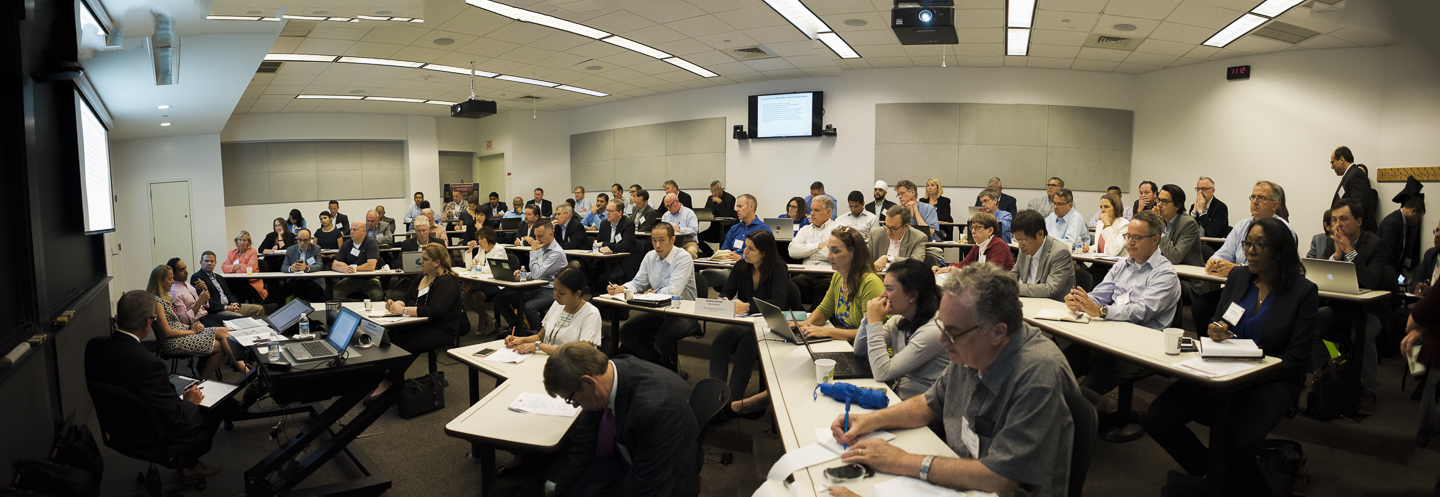
Some of the industry’s most inquisitive minds gathered today at Massachusetts Institute of Technology for the story on doing real-world business with data. “It’s happening, and it can get done, and there are examples of it happening,” said Peter Burris (@plburris), co-host of theCUBE, SiliconANGLE Media’s mobile livestreaming studio.
People from diverse industries came together to talk about how to transform business with data. “We talked about how you wrapper existing goods and services and offerings with data to turn them into something else,” Burris said.
Burris spoke with co-host Rebecca Knight (@knightrm) during the MIT CDOIQ Symposium in Cambridge, Massachusetts. They discussed the growing set of proof points for data as a business asset, and which industries stand to gain the most from data.
Adopting a data-centric approach across an organization is a tall order for a host of reasons, including asking businesses to look at all different species of data, not just the financial numbers they are used to crunching.
“What we’re asking them to do is to learn about wholly new classes of data, new data conventions, what it means, how to apply it, how you should factor it, how to converge agreement around things that allow them to be as mature in their use of customer data or production data or partner data or any number of other metrics as they are with financial data,” Burris said.
Some of the winners that we heard about during the symposium included BBVA Compass Bancshares Inc. Execs got the whole bank to adopt a set of practices that are leading to new types of engagement models, product orientation, and service capabilities, according to Burris. They achieved it through a ground-up educational campaign that acculturated all staffers to a data-first approach.
Pharmaceutical companies are looking at how data can cut spending and time-to-market. “What we hear is to bring a new drug to market can cost $4 billion and take 15 years,” Burris said. “The question is can data … reduce the cost of bringing a new drug to market? And we heard numbers like, yeah, by a billion dollars or even more.”
Watch the complete video interview below, and be sure to check out more of SiliconANGLE’s and theCUBE’s coverage of the MIT CDOIQ Symposium.
Support our mission to keep content open and free by engaging with theCUBE community. Join theCUBE’s Alumni Trust Network, where technology leaders connect, share intelligence and create opportunities.
Founded by tech visionaries John Furrier and Dave Vellante, SiliconANGLE Media has built a dynamic ecosystem of industry-leading digital media brands that reach 15+ million elite tech professionals. Our new proprietary theCUBE AI Video Cloud is breaking ground in audience interaction, leveraging theCUBEai.com neural network to help technology companies make data-driven decisions and stay at the forefront of industry conversations.





