



 EMERGING TECH
EMERGING TECH
EMERGING TECH
EMERGING TECH

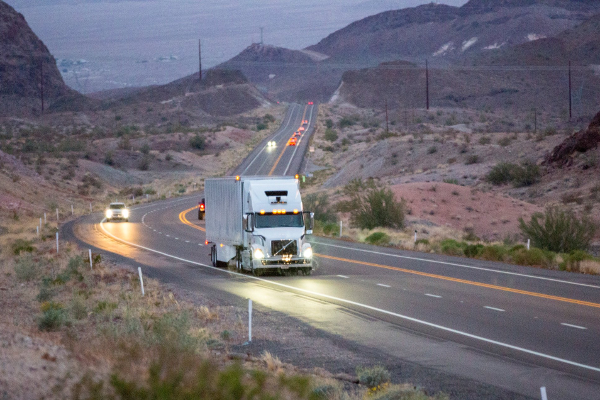
Uber Technologies Inc. is shutting down its self-driving truck division two years after spending $680 million to acquire Otto, the company behind the technology, in 2016.
First reported by TechCrunch, the decision is being pitched by Uber as the company focusing on the development of self-driving cars and a consolidation of its development efforts. The self-driving truck unit was located in San Francisco, while Uber’s main autonomous vehicle unit is located in Pittsburgh.
“We recently took the important step of returning to public roads in Pittsburgh and as we look to continue that momentum, we believe having our entire team’s energy and expertise focused on this effort is the best path forward,” a spokesperson for Uber said in a statement.
Notably, the closure of the self-driving truck business does not affect Uber Freight, the company’s transport logistics division that facilitates on-demand truck transport. Uber noted that it didn’t believe having self-driving trucks was vital for that business going forward. That stands in opposition to its ride-hailing business, where Uber is assuming self-driving vehicles will replace human drivers at some point in the near future.
The closure of the self-driving truck business comes at the end of a tumultuous two years for Uber that saw the onetime tech darling stagger from one scandal to another.
Uber has had its own problems with self-vehicle crashes, but the acquisition of Otto two years ago is when it all started to go seriously wrong. That was because Anthony Levandowski joine Uber as part of the acquisition. Levandowski came to Uber well-credentialed, having previously worked with Google LLC’s self-driving car project (now Waymo LLC) before founding Otto.
But it’s the baggage he brought with him that was the start of Uber’s long run of problems. That baggage was Waymo trade secrets.
The drama started in February 2017 when Waymo sued Uber claiming that the ride-hailing service stole some of its autonomous vehicle technology. That specific technology, a Waymo-developed LiDAR system, came to Uber via Otto and Levandowski.
“We found that six weeks before his resignation this former employee, Anthony Levandowski, downloaded over 14,000 highly confidential and proprietary design files for Waymo’s various hardware systems, including designs of Waymo’s LiDAR and circuit board,” Waymo said in its filing.
Uber initially attempted to defend the lawsuit, but Levandowski was the weakest link and was eventually fired by Uber after refusing to testify in the case. The two companies settled out of court, with Uber paying Waymo $245 million in February.
Uber has not ruled out returning to self-driving trucks in the future, but for now, it’s one chapter of its history it will be happy to put behind it.
… We’d like to tell you about our mission and how you can help us fulfill it. SiliconANGLE Media Inc.’s business model is based on the intrinsic value of the content, not advertising. Unlike many online publications, we don’t have a paywall or run banner advertising, because we want to keep our journalism open, without influence or the need to chase traffic.The journalism, reporting and commentary on SiliconANGLE — along with live, unscripted video from our Silicon Valley studio and globe-trotting video teams at theCUBE — take a lot of hard work, time and money. Keeping the quality high requires the support of sponsors who are aligned with our vision of ad-free journalism content.
If you like the reporting, video interviews and other ad-free content here, please take a moment to check out a sample of the video content supported by our sponsors, tweet your support, and keep coming back to SiliconANGLE.






