 INFRA
INFRA
INFRA
INFRA







INFRA

Staying afloat as a storage provider these days requires a creative, out-of-the box (literally) approach. A storage array needs the ability to stretch out of its confines into the public cloud, as well as provide high value-add data-management and analytics capabilities. Storage legacy NetApp Inc. is pivoting its entire business model in this direction, and Dell EMC is following suit with some offerings in its sizable storage portfolio.
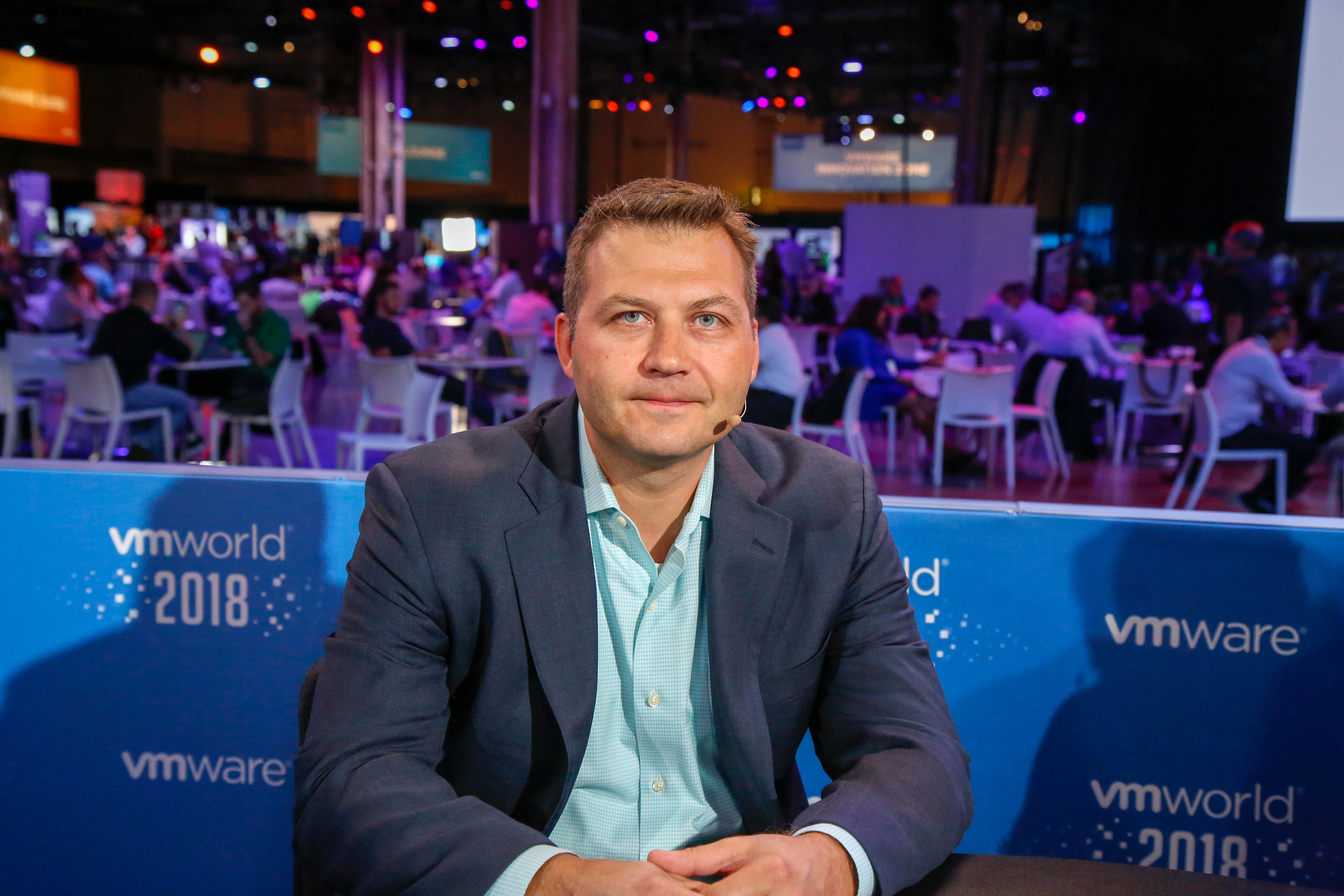
Dell EMC Unity is trying to deliver refreshed, solutions-based storage that is ready for action in business use cases, according to Devon Reed (pictured), director of product management at Dell EMC. “We have a bunch of things in R&D right now where we’re exploring different technologies and machine learning to really place the customer’s data at the right place at the right time to meet their performance goals, their targets, their SLAs, their business objectives,” he said.
Reed spoke with Lisa Martin (@LuccaZara), host of theCUBE, SiliconANGLE Media’s mobile livestreaming studio, and guest host John Troyer (@jtroyer), chief reckoner at TechReckoning, during the VMworld conference in Las Vegas, Nevada. They discussed the changing storage market and the new capabilities customers expect from an array. (* Disclosure below.)
For greater ease-of-use across hybrid environments, Unity just announced the Unity VSA Cloud edition — which can run the original storage product on the VMware cloud. It provides the same look and feel of the original, as well as disaster recovery and backup capabilities, Reed explained. VSA Cloud edition users can also leverage the Unity’s Cloud Tiering Appliance and archive files from on-premises or the VMware cloud to another S3-enabled cloud device.
Many customers are implementing hybrid and multicloud strategies, according to Reed, which may require diverse storage types across different environments. For this reason, Unity offers both all-flash and hybrid storage — four versions in each category. Most customers would like to go all-flash, but cost restraints pull them back to hybrid in some instances, Reed added.
Unity wants to simplify the use of its different storage types with things like common graphical user interfaces. “One of our goals has really been to drive more and more commonality between the platforms,” Reed concluded.
Watch the complete video interview below, and be sure to check out more of SiliconANGLE’s and theCUBE’s coverage of the VMworld conference. (* Disclosure: Dell Technologies Inc. sponsored this segment, with additional broadcast sponsorship from VMware Inc. Dell, VMware, and other sponsors do not have editorial control over content on theCUBE or SiliconANGLE.)
Support our mission to keep content open and free by engaging with theCUBE community. Join theCUBE’s Alumni Trust Network, where technology leaders connect, share intelligence and create opportunities.
Founded by tech visionaries John Furrier and Dave Vellante, SiliconANGLE Media has built a dynamic ecosystem of industry-leading digital media brands that reach 15+ million elite tech professionals. Our new proprietary theCUBE AI Video Cloud is breaking ground in audience interaction, leveraging theCUBEai.com neural network to help technology companies make data-driven decisions and stay at the forefront of industry conversations.





