 AI
AI
AI
AI







AI

Is any term in technology today buzzing louder than machine learning? Maybe artificial intelligence. Aren’t they they same thing, sort of? Sort of. Customers need to get clear on what they expect ML or AI to actually do before they shop for a product. It may take the marrying of two or more types of AI to get a concoction smart enough to do any substantive work.
People may assume that ML algorithms can learn and reason based on data, but they’d be only half right. Machine learning, as the term makes obvious, is superb at learning from data patterns.
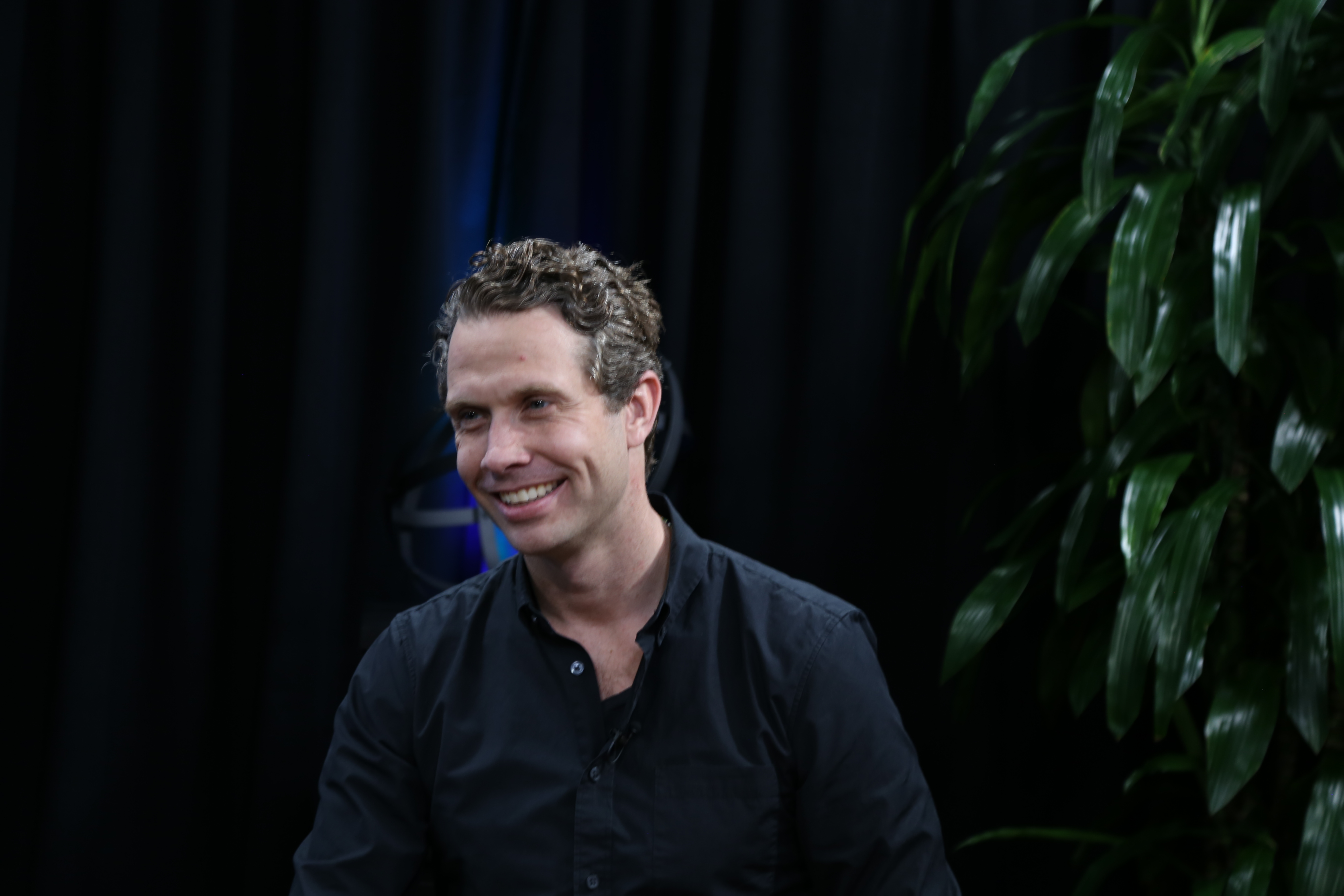
“But the reasoning is actually pretty weak,” said Ryan Welsh (pictured), founder and chief executive officer of Kyndi Inc. “It can do statistical inferencing, but in the field of symbolic AI, where there’s inductive, deductive, abductive, analogical reasoning — kind of advanced reasoning — it’s terrible at reasoning.”
Welsh spoke with John Furrier (@furrier), co-host of theCUBE, SiliconANGLE Media’s mobile livestreaming studio, at theCUBE’s studio in Palo Alto, California. They discussed the different flavors of AI and how Kyndi’s Explainable AI platform combines them for a broad set of use cases.
There are other approaches — symbolic or knowledge-based — that cannot learn from data but are quite good at reasoning. (The reader should be able to guess where this is going by now.)
A growing trend at the cutting edge of AI is the fusing of these different types of AI or ML together to form technologies that can both learn and reason from data. Kyndi calls it Explainable AI or XAI. It can “learn from data, reason about data, answer questions like: Why are you giving me this recommendation?
XAI is “the ability of a machine to communicate with a user in natural language,” Welsh said.
Kyndi users include those in the government, [the pharmaceutical industry], financial services, and other fields. Its platform basically manages all unstructured text data and turns it into a giant knowledge graph on top of which users can build apps across HR, marketing, legal, etc.
Text analysis is a very time- and human-resource intensive task without the aid of machines, Welsh pointed out.
“We are the bottleneck in the modern production process because we can’t read and understand information any faster than our parents or grandparents. And there’s not enough people on the planet to increase our capacity to push things through,” he concluded.
Watch the entire video interview below, and be sure to check out more of SiliconANGLE’s and theCUBE’s CUBE Conversations.
Support our mission to keep content open and free by engaging with theCUBE community. Join theCUBE’s Alumni Trust Network, where technology leaders connect, share intelligence and create opportunities.
Founded by tech visionaries John Furrier and Dave Vellante, SiliconANGLE Media has built a dynamic ecosystem of industry-leading digital media brands that reach 15+ million elite tech professionals. Our new proprietary theCUBE AI Video Cloud is breaking ground in audience interaction, leveraging theCUBEai.com neural network to help technology companies make data-driven decisions and stay at the forefront of industry conversations.





