



 CLOUD
CLOUD
CLOUD
CLOUD
CLOUD

When it comes to security, organizations are moving away from the virtual private network model with a central concentration entry point that has to traverse complicated-to-maintain back haul lines. Instead, the more recent software-defined perimeters permit users and DevOps professionals to access multiple environments simultaneously. These cloud-native solutions allow a more sophisticated, layered approach to security, with a full network platform, providing user access with a single security construct.
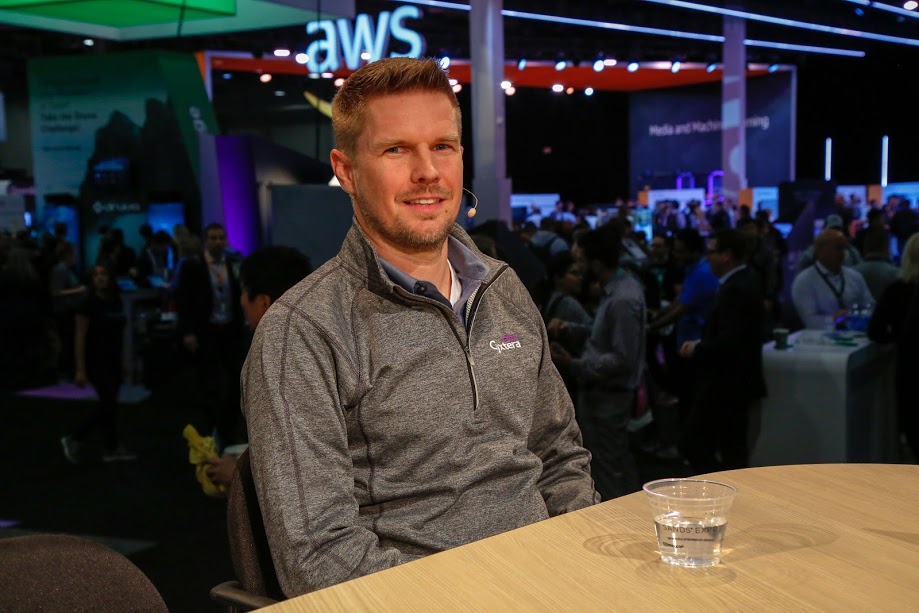
“[We’re] completely neutral to the underlying infrastructure [or] the geography; our solution acts the same … public, private cloud, bare metal,” said Holland Barry (pictured), senior vice president of cybersecurity at Cyxtera Technologies Inc. “It’s a unified policy framework that allows you to, whatever level of granularity you want, describe access from a user, even including ingredients from a third-party system.”
Barry spoke with John Furrier (@furrier), host of theCUBE, SiliconANGLE Media’s mobile livestreaming studio, during AWS re:Invent in Las Vegas. In addition to changing security trends, they discussed Cyxtera’s AppGate SDP offering. (* Disclosure below.)
One of the main issues with VPNs is that once a user is logged in, they have nearly unfettered access into the system. So malware can be easily spread laterally. A software-defined perimeter, on the other hand, greatly reduces that attack surface by giving users access to only those items within the infrastructure to which they are vetted.
In simple environments, a VPN might be an appropriate approach to security, but when organizations are running multiple cloud workloads, on-prem data, and users everywhere, a VPN simply can’t keep up.
At AWS re:Invent, Cyxtera is focused on its new product, AppGate SDP, a secure access solution that allows simultaneous secure access to a multitude of environments. So if, for example, an AWS customer has 20 or 30 accounts, AppGate SDP can seamlessly allow connectivity with a very robust policy structure that can permit those developers and users to interact with those environments without VPN switching.
“[It’s a] real clean and sophisticated way to connect your users into your internal sensitive infrastructure,” Barry concluded.
Watch the complete video interview below, and be sure to check out more of SiliconANGLE’s and theCUBE’s coverage of AWS reInvent. (* Disclosure: Cyxtera Technologies Inc. sponsored this segment of theCUBE. Neither Cyxtera nor other sponsors have editorial control over content on theCUBE or SiliconANGLE.)
… We’d like to tell you about our mission and how you can help us fulfill it. SiliconANGLE Media Inc.’s business model is based on the intrinsic value of the content, not advertising. Unlike many online publications, we don’t have a paywall or run banner advertising, because we want to keep our journalism open, without influence or the need to chase traffic.The journalism, reporting and commentary on SiliconANGLE — along with live, unscripted video from our Silicon Valley studio and globe-trotting video teams at theCUBE — take a lot of hard work, time and money. Keeping the quality high requires the support of sponsors who are aligned with our vision of ad-free journalism content.
If you like the reporting, video interviews and other ad-free content here, please take a moment to check out a sample of the video content supported by our sponsors, tweet your support, and keep coming back to SiliconANGLE.






