 EMERGING TECH
EMERGING TECH
EMERGING TECH







EMERGING TECH

Know what would really help solve the edge-to-cloud data-transport conundrum? Satellites.
Satellites could deliver data to the cloud much more rapidly than internet of things edge devices could. But then there’s the practical impossibility of building a parabolic antenna for most companies. That’s why Lockheed Martin Corp. has collaborated with Amazon Web Services Inc. to offer parabolic antennas as a service.
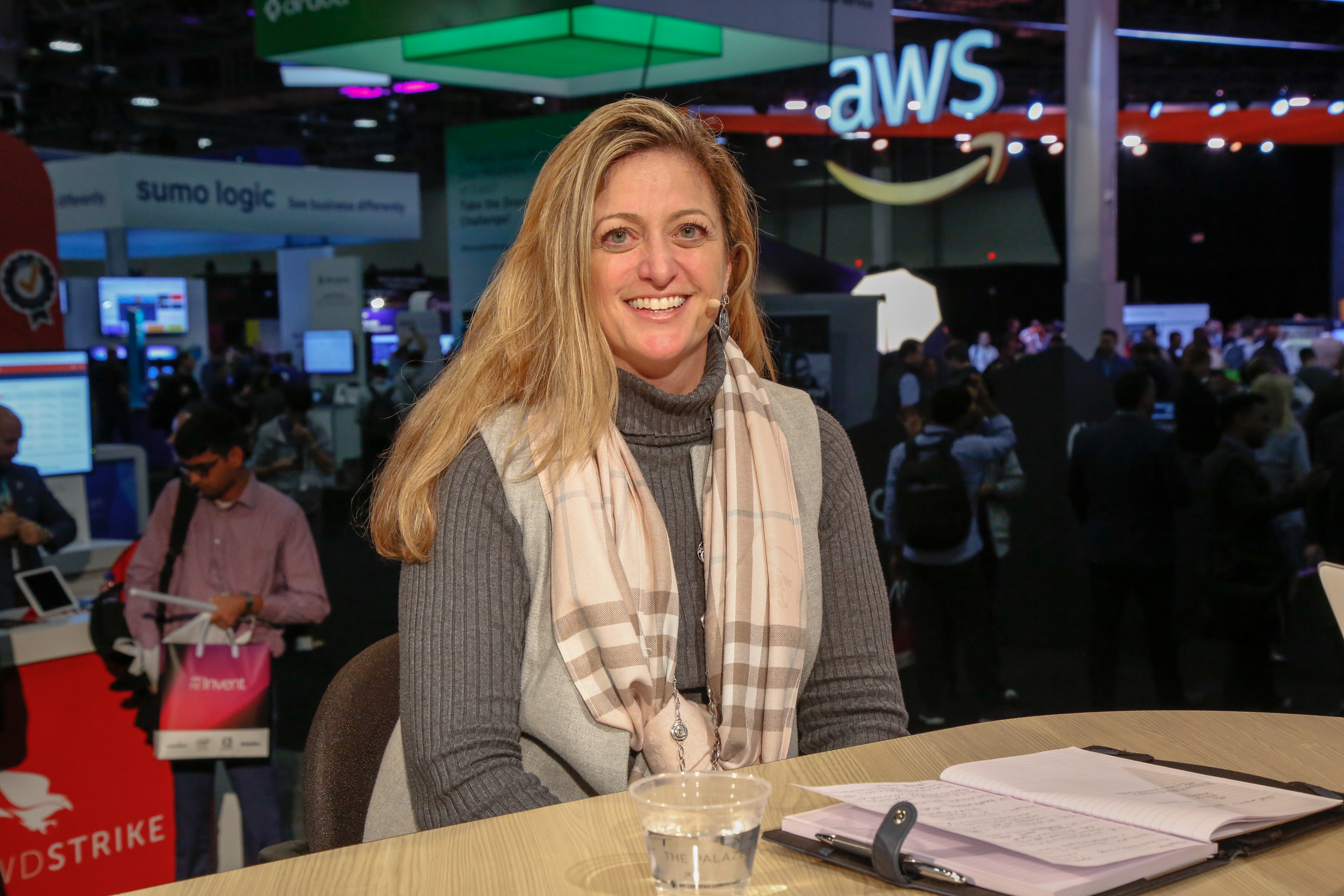
“If you were going to build a parabolic antenna, it might cost a million dollars,” said Maria Demaree (pictured), vice president and general manager at Lockheed Martin Space Corp. “You have to have land; you might need to have a fence line; you have to maintain it, operate it.”
Demaree spoke with John Furrier and Dave Vellante, co-hosts of theCUBE, SiliconANGLE Media’s mobile livestreaming studio, during AWS re:Invent in Las Vegas. They discussed the origins of Lockheed Martin’s partnership with AWS and how it will disrupt the IoT edge.
AWS Ground Station is 12 parabolic antennas installed at Amazon’s global regions. Lockheed’s system is separate and complementary to that. It’s basically lower-cost antennae spread across other areas, which allow more connectivity and more opportunities to downlink data.
The point of both these systems is to get data into the cloud faster and more frequently, according to Demaree. “Because when you can get that downlink down and start using artificial intelligence, machine learning, the services that are available on that data, now you can take action,” she said.
This repaves the playing field for sorting out edge computing problems. The much-needed disruption will make the power of satellites available as a service to startups, universities and others. “All of this is available to customers as a service, so you’re only paying for it when you’re using it, which is really key when you think about the cost of entry,” Demaree said.
The idea shook out of a “shark tank” brainstorming session between Lockheed and AWS. The companies will have more to talk about in the future as AWS interest in space increases, according to Demaree. “This is the start … of a really great longer-term relationship, I hope,” she said. “We do have some other ideas.”
Here’s the complete video interview, part of SiliconANGLE’s and theCUBE’s extensive coverage of AWS re:Invent:
Support our mission to keep content open and free by engaging with theCUBE community. Join theCUBE’s Alumni Trust Network, where technology leaders connect, share intelligence and create opportunities.
Founded by tech visionaries John Furrier and Dave Vellante, SiliconANGLE Media has built a dynamic ecosystem of industry-leading digital media brands that reach 15+ million elite tech professionals. Our new proprietary theCUBE AI Video Cloud is breaking ground in audience interaction, leveraging theCUBEai.com neural network to help technology companies make data-driven decisions and stay at the forefront of industry conversations.





