



 APPS
APPS
APPS
APPS
APPS

A Chinese court has granted Qualcomm Inc. two preliminary injunctions against Apple Inc. that ban the sale of certain iPhone models in the world’s largest smartphone market.
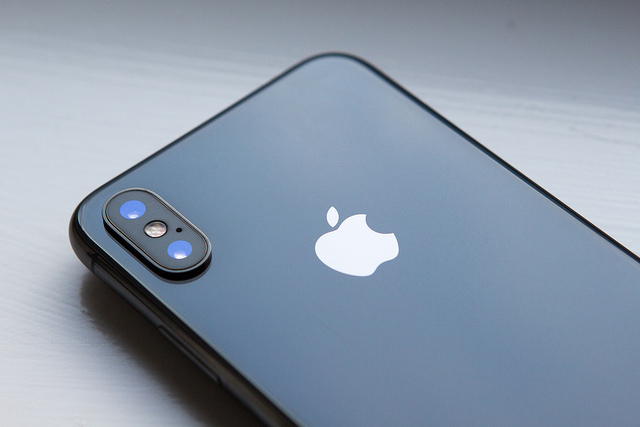
The ruling, which the chipmaker announced today, applies to the iPhone 6S, 6S Plus, 7, 7 Plus, 8, 8 Plus and last year’s X. Apple’s 2018 device lineup is excluded. The court found that the versions of iOS pre-installed in the affected devices infringe upon two Qualcomm software patents: one that relates to photo editing and another describing a method of managing applications on mobile devices.
Dan Rosenberg, Qualcomm’s executive vice president and general counsel, hailed the decision in a statement: “Apple continues to benefit from our intellectual property while refusing to compensate us. These Court orders are further confirmation of the strength of Qualcomm’s vast patent portfolio.”
Wall Street certainly seems to be taking the decision seriously, with Qualcomm’s stock currently up nearly 2 percent on the news. But it remains to be seen if the injunctions will have a tangible impact on Apple’s business in China. All the affected iPhones can be upgraded to the latest version of the company’s operating system, iOS 12, which is excluded from the injunctions.
The impact of the ruling is further mitigated by the fact that the court didn’t place any restrictions on the production or export of the affected devices. In other words, the injunctions shouldn’t cause any disruption to Apple’s Chinese manufacturing operations.
“Qualcomm’s effort to ban our products is another desperate move by a company whose illegal practices are under investigation by regulators around the world,” Apple said in a statement. “All iPhone models remain available for our customers in China. Qualcomm is asserting three patents they had never raised before, including one which has already been invalidated. We will pursue all our legal options through the courts.”
The ruling marks the latest development in the companies’ ongoing legal dispute, which started when the iPhone maker sued Qualcomm last year over what it said are unfair business practices. Apple is accusing the chipmaker of charging excessive licensing fees for its market-leading mobile modems.
Since that initial complaint last year, the dispute is estimated to have spawned more than 100 lawsuits worldwide. Qualcomm Chief Executive Steve Mollenkopf said in late November that the companies are “on the doorstep of a resolution,” but Apple’s lawyers later dismissed the possibility of an imminent settlement. The original 2017 case is on track to go to trial in April.
… We’d like to tell you about our mission and how you can help us fulfill it. SiliconANGLE Media Inc.’s business model is based on the intrinsic value of the content, not advertising. Unlike many online publications, we don’t have a paywall or run banner advertising, because we want to keep our journalism open, without influence or the need to chase traffic.The journalism, reporting and commentary on SiliconANGLE — along with live, unscripted video from our Silicon Valley studio and globe-trotting video teams at theCUBE — take a lot of hard work, time and money. Keeping the quality high requires the support of sponsors who are aligned with our vision of ad-free journalism content.
If you like the reporting, video interviews and other ad-free content here, please take a moment to check out a sample of the video content supported by our sponsors, tweet your support, and keep coming back to SiliconANGLE.






