



 APPS
APPS
APPS
APPS
APPS

Uber Technologies Inc. is in the midst of an effort to transform its app from one focused mostly on ride-hailing to a one-stop hub for accessing every mode of transportation. On Thursday, company filled in a key piece of the puzzle by launching an integration with public transit services.
Uber is taking a gradual approach with the rollout and has initially made the feature available only in Denver. The company said it plans to add more cities soon but didn’t share any locations or a time frame.
“As we move towards our vision of becoming a one-stop shop for transportation in your city, our riders need the right option available at their fingertips for every trip,” David Reich, Uber’s head of transit, wrote in a blog post. “Many times, it can be faster or cheaper to take public transportation than any other form of travel, and we want to give our riders a seamless way to access that option right from our app.”
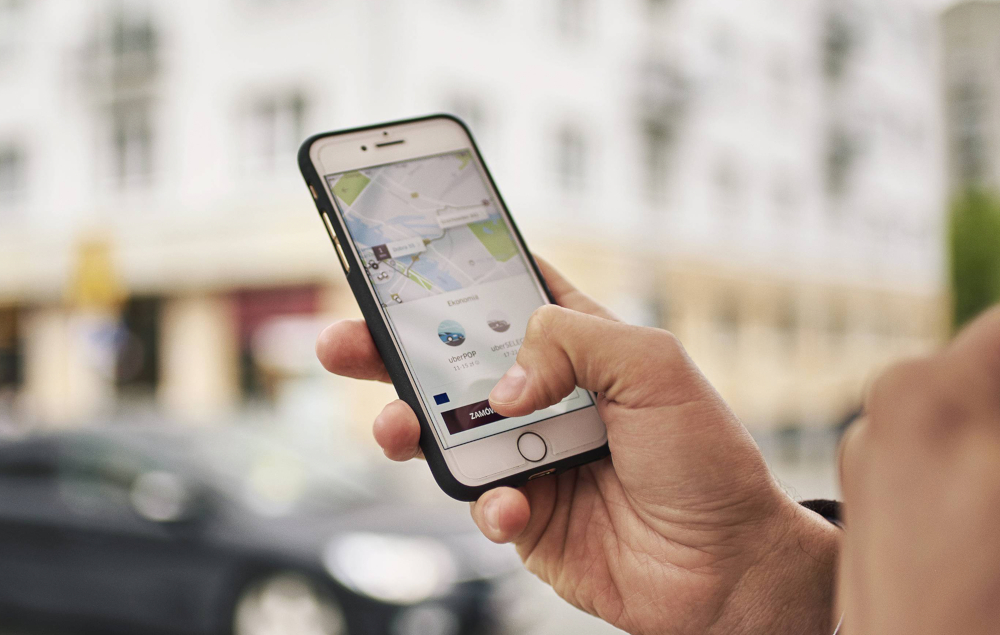
Denver residents now have access to a new “Transit” button in Uber’s app. After a user inputs the destination, the service will bring up the bus and train routes to get there, along with detailed information about each available option.
Uber displays routes in a list-based view that shows the departure schedules for each line, estimated arrival times and ticket prices. Users can compare the cost of taking mass transit to hailing a ride to determine the best way of reaching their destination. If they choose to go by bus or train, the app will show walking directions to the relevant station.
Much of the transit information Uber currently displays comes from Moovit Ltd., an Israeli startup that raised $50 million in funding last year. Uber has also teamed up with another startup, Masabi Ltd., to support the next stage of its public transit push. In coming weeks, the ride-hailing giant plans to introduce an integration with Masabi’s ticketing platform that will let users buy transit passes directly via its app.
Uber’s long-term vision likely involves making these capabilities available worldwide. To lay the groundwork for future expansions, the company has been establishing partnerships with transit agencies from Boston to France.
Archrival Lyft Inc. is also eyeing public transportation opportunities. Late last year, the company started displaying mass transit routes for users in Washington, D.C., Santa Monica and Los Angeles.
… We’d like to tell you about our mission and how you can help us fulfill it. SiliconANGLE Media Inc.’s business model is based on the intrinsic value of the content, not advertising. Unlike many online publications, we don’t have a paywall or run banner advertising, because we want to keep our journalism open, without influence or the need to chase traffic.The journalism, reporting and commentary on SiliconANGLE — along with live, unscripted video from our Silicon Valley studio and globe-trotting video teams at theCUBE — take a lot of hard work, time and money. Keeping the quality high requires the support of sponsors who are aligned with our vision of ad-free journalism content.
If you like the reporting, video interviews and other ad-free content here, please take a moment to check out a sample of the video content supported by our sponsors, tweet your support, and keep coming back to SiliconANGLE.






