



 INFRA
INFRA
INFRA
INFRA
INFRA

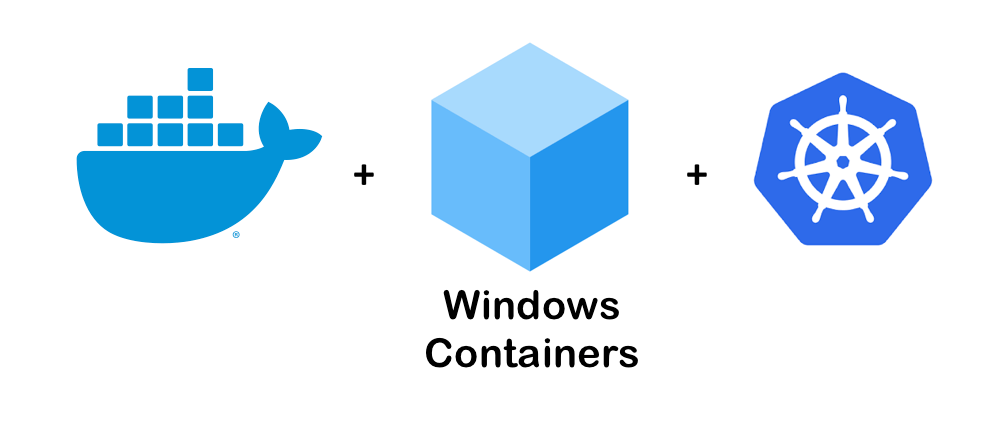
Red Hat Inc. today announced the latest release of Kubernetes, adding support for containers running on Windows nodes.
Kubernetes 1.14 therefore elevates Microsoft Corp.’s operating system to a first-class citizen in container environments, which are used to build software applications that can run on any platform.
Kubernetes, the most popular container orchestration platform for managing those containers, is backed by a range of organizations including Red Hat, the Cloud Native Computing Foundation, which hosts the project, and Docker Inc. Since its inception, Kubernetes has always supported Linux operating systems, with Windows support only recently made available as a beta feature.
The latest release says production support for Windows Nodes is now a stable feature, which means that Windows-based containers can now be scheduled and managed with Kubernetes. It’s a significant milestone since it means that the vast ecosystem of Windows-based applications can now all be deployed on the platform.
It’s said that around three-quarters of servers today run on Windows, with the majority serving small and medium-sized businesses. Larger enterprises tend to run their operations on Linux servers, but many have a mixed environment with some components also running on Windows.
“Containers have won when it comes to deploying next-generation apps in the enterprise, and most CxOs choose Kubernetes as their preferred orchestration platform,” said Holger Mueller, principal analyst and vice president of Constellation Research Inc. “The support of Windows in Kubernetes 1.14 is an additional step for Kubernetes to extend its lead even further. It’s also a key contribution of RedHat to the open source Kubernetes community, a good sign given the pending IBM acquisition.”
The move to support Windows is also a positive step forward for Docker Inc., the company that develops the Docker runtime engine and which has long championed an alliance with the world’s most ubiquitous operating system. Docker said in a statement it intends to support the latest Kubernetes release in the next version of Docker Enterprise, which is set to be made available next month.
“Kubernetes supporting Windows is a monumental step for the industry and it further confirms the work Docker has been doing with Microsoft to develop Windows containers over the past five years,” Jenny Fong, Docker’s director of product marketing, said in a statement.
Another interesting new feature in the latest Kubernetes release relates to the Kubectl command line interface. Kubectl now integrates “Kustomize commands,” which is a feature that allows developers to customize the YAML programming language that’s used to setup Kubernetes configurations.
Kubernetes 1.14 is available to download now, and the release likely will be incorporated into various vendor-supported container platforms, such as Docker Enterprise and Red Hat OpenShift, in the coming weeks.
… We’d like to tell you about our mission and how you can help us fulfill it. SiliconANGLE Media Inc.’s business model is based on the intrinsic value of the content, not advertising. Unlike many online publications, we don’t have a paywall or run banner advertising, because we want to keep our journalism open, without influence or the need to chase traffic.The journalism, reporting and commentary on SiliconANGLE — along with live, unscripted video from our Silicon Valley studio and globe-trotting video teams at theCUBE — take a lot of hard work, time and money. Keeping the quality high requires the support of sponsors who are aligned with our vision of ad-free journalism content.
If you like the reporting, video interviews and other ad-free content here, please take a moment to check out a sample of the video content supported by our sponsors, tweet your support, and keep coming back to SiliconANGLE.






