 BIG DATA
BIG DATA
BIG DATA







BIG DATA

Users hungry for bandwidth, an explosion of internet of things devices that must connect securely, and a quest for the ultimate immersive experience are all driving wireless connectivity to the limit. A new wireless standard — Wi-Fi 6 — is being deployed to help manage this new reality.
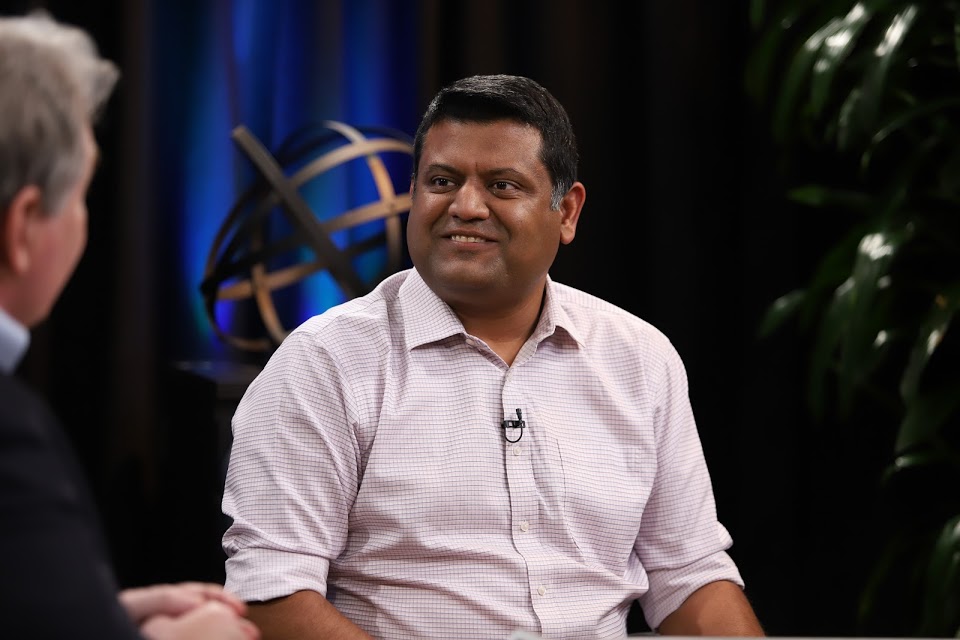
“All of those are driving a need for us to rethink access and rethink the network overall,” said Sachin Gupta (pictured), senior vice president of product management, enterprise networking, at Cisco Systems Inc. “Wi-Fi 6 is one critical component of that.”
Gupta spoke with Peter Burris (@plburris), host of theCUBE, SiliconANGLE Media’s mobile livestreaming studio, at theCUBE’s studio in Palo Alto, California. They discussed ways that users will soon be able to obtain a Wi-Fi connection seamlessly and how Cisco is adapting its own technology to meet connectivity needs (see the full interview with transcript here). (* Disclosure below.)
The benefits of Wi-Fi 6 include better performance, client density and latency. It was developed through the work of the Wi-Fi Alliance, a consortium of companies that includes Cisco. The networking giant has also partnered with other vendors to help users acquire a Wi-Fi signal in much the same way that smartphones can roam across global communications systems. The goal is to replace the complex process today where connectivity is determined on a location-by-location basis and users must go through different steps each time to login.
“We want to make Wi-Fi onboarding happen through something we call OpenRoaming,” Gupta said. “When you go around and you roam with Wi-Fi, you onboard the network just like you onboard with cellular. Let’s make it easy for you to get connected.”
In preparation for the new era of wireless connectivity that Wi-Fi 6 will bring, Cisco has enhanced its Catalyst 9000 access and switching portfolio to support intent-based networking. The idea is to build a network that recognizes intentions, adapts, and becomes more secure over time.
“We came up with an architectural approach across the board which is intent-based networking,” Gupta stated. “How do you automate all of the things that IT needs to do to deliver the security and experience for all users and things, and what are you trying to achieve? That’s what intent-based networking is all about.”
Watch the video interview with Gupta below, and be sure to check out more of SiliconANGLE’s and theCUBE’s CUBE Conversations. (* Disclosure:Cisco Systems Inc. sponsored this segment of theCUBE. Neither Cisco nor other sponsors have editorial control over content on theCUBE or SiliconANGLE.)
Support our mission to keep content open and free by engaging with theCUBE community. Join theCUBE’s Alumni Trust Network, where technology leaders connect, share intelligence and create opportunities.
Founded by tech visionaries John Furrier and Dave Vellante, SiliconANGLE Media has built a dynamic ecosystem of industry-leading digital media brands that reach 15+ million elite tech professionals. Our new proprietary theCUBE AI Video Cloud is breaking ground in audience interaction, leveraging theCUBEai.com neural network to help technology companies make data-driven decisions and stay at the forefront of industry conversations.





