



 CLOUD
CLOUD
CLOUD
CLOUD
CLOUD

Docker Inc. has unveiled a refreshed version of its flagship enterprise offering with a raft of new features for developers.
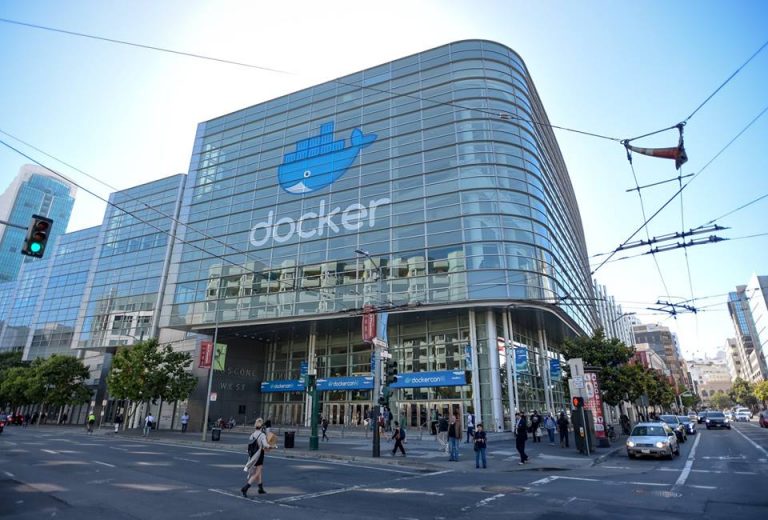
Debuted at an event in San Francisco today, Docker Enterprise is a commercial version of the startup’s open-source software container toolkit. Containers enable companies to build efficient, portable applications that can run on many different types of infrastructure. The technology also facilities modularity, allowing developers to package the key components of their software into separate containers to simplify maintenance.
Docker Enterprise 3.0 brings a new local development tool dubbed Docker Desktop Enterprise. According to the startup, it enables programmers to automatically replicate the configuration settings of their company’s container environment on their workstations. The idea is to help engineers ensure that a piece of code that appears to run well on their laptop will behave as expected in production as well.
Docker Desktop Enterprise also includes features for information technology teams. Administrators can create custom versions of common software components used by their company’s developers, such as databases, and equip them with predefined settings. That removes the need for software teams to configure everything themselves while enabling the information technology department to make sure that software components comply with internal policies.
Another new tool rolling out with today’s update is Docker Applications. Similarly to Docker Enterprise Desktop, it provides the ability to create preconfigured software templates, except these templates may include multiple components. Users can create a blueprint describing a complete containerized cloud service down to low-level details such as what infrastructure it will use.
What sets Docker Applications apart from the existing methods available for doing so is that it’s portable. According to Docker, templates created with the tool are easy to share between teams and can work in multiple environments without necessarily requiring major modifications.
“It allows users to manage complex applications as simply as individual containers, with tools to build, push and deploy multicontainer applications as self-contained objects,” David Hamdani, a senior product marketing manager for Docker, detailed in a blog post.
Other enhancements in Docker Enterprise 3.0 include deeper support for Kubernetes, the market-leading container management framework, and an expanded set of security options. Finally, Docker is releasing a managed version of the platform that automates day-to-day maintenance tasks such as patching. It can run on Amazon Web Services, Microsoft Corp.’s Azure and on-premises OpenStack infrastructure.
Docker claims that Docker Enterprise is used by more than 750 enterprises worldwide.
… We’d like to tell you about our mission and how you can help us fulfill it. SiliconANGLE Media Inc.’s business model is based on the intrinsic value of the content, not advertising. Unlike many online publications, we don’t have a paywall or run banner advertising, because we want to keep our journalism open, without influence or the need to chase traffic.The journalism, reporting and commentary on SiliconANGLE — along with live, unscripted video from our Silicon Valley studio and globe-trotting video teams at theCUBE — take a lot of hard work, time and money. Keeping the quality high requires the support of sponsors who are aligned with our vision of ad-free journalism content.
If you like the reporting, video interviews and other ad-free content here, please take a moment to check out a sample of the video content supported by our sponsors, tweet your support, and keep coming back to SiliconANGLE.






