



 EMERGING TECH
EMERGING TECH
EMERGING TECH
EMERGING TECH

Silicon Valley may obsess over smart home devices, but a court in New York has pushed back against the always-connected age by ruling that landlords should provide a physical key to a door, not just a smart lock.
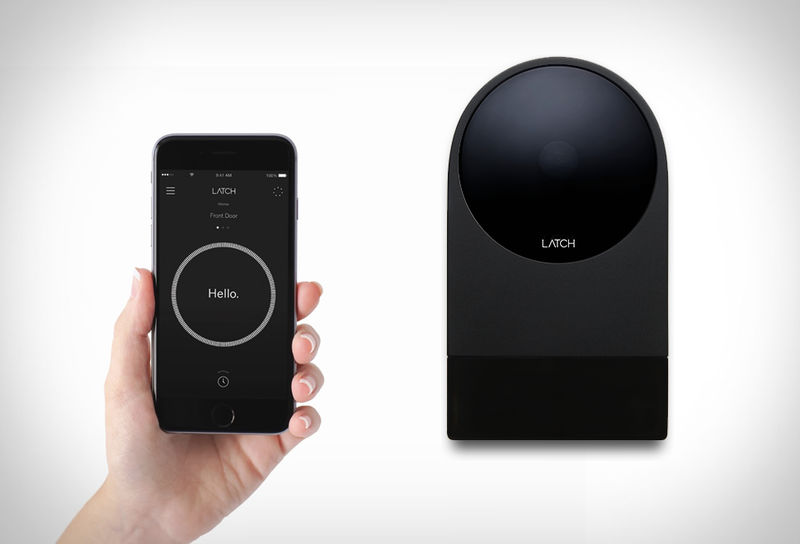
The ruling, via a court-approved settlement, came about when tenants in a Manhattan apartment building sued their landlords over the forced use of Latch smart locks last year.
The tenants cited privacy concerns in the lawsuit. Among those concerns was being forced to use a Latch smart lock when the company’s privacy policy states that its app could collect location data and use it for marketing purposes.
Latch denied the claim, saying in a statement that “we never capture, store or use GPS location data of our users,” and that “Latch does not share users’ personal data with third parties for marketing purposes and we do not make any revenue from data sharing.”
The company noted, however, that “we are currently revising our Privacy Policy to remove any possible ambiguity and to make our strong record of privacy protection crystal clear.”
That “possible ambiguity” was a deciding factor in the settlement approved by the New York court. “It means that we can be real people again and have a key to our door and not be monitored,” one of the plaintiffs, Mary Beth McKenzie, 72, told The New York Post.
The truth often lies somewhere in the middle, but the same article said that “Latch also allows the building owners to monitor tenants’ social media and movement using GPS which some tenants took as harassment and an effort to push them out of their rent-regulated apartments.”
The court pushback against always-connected “internet of things” devices, despite being only in New York for now, could be the start of more to come. Before now, there has been no legal precedent or legislation deciding how landlords can use smart home technology according to CNET.
Now the door is now open to other cases.
Update: Latch had the following to say several days after the report.
“Latch was not a party to this litigation. We are pleased the parties—a group of five tenants and the building owner—have reportedly reached a private settlement to resolve their disagreement about entry methods to their building’s common spaces. At Latch, we know people have personal preferences about how they access their homes. That is why Latch is the only smart access system that provides, at landlords’ discretion, three methods residents can use to enter common areas: our smartphone app, a door code, and a physical keycard. Also, all of our devices are compatible with mechanical keys. Our goal is to make life easier and more convenient, while never compromising the security and privacy of our users.”
… We’d like to tell you about our mission and how you can help us fulfill it. SiliconANGLE Media Inc.’s business model is based on the intrinsic value of the content, not advertising. Unlike many online publications, we don’t have a paywall or run banner advertising, because we want to keep our journalism open, without influence or the need to chase traffic.The journalism, reporting and commentary on SiliconANGLE — along with live, unscripted video from our Silicon Valley studio and globe-trotting video teams at theCUBE — take a lot of hard work, time and money. Keeping the quality high requires the support of sponsors who are aligned with our vision of ad-free journalism content.
If you like the reporting, video interviews and other ad-free content here, please take a moment to check out a sample of the video content supported by our sponsors, tweet your support, and keep coming back to SiliconANGLE.






