 CLOUD
CLOUD
CLOUD
CLOUD







CLOUD

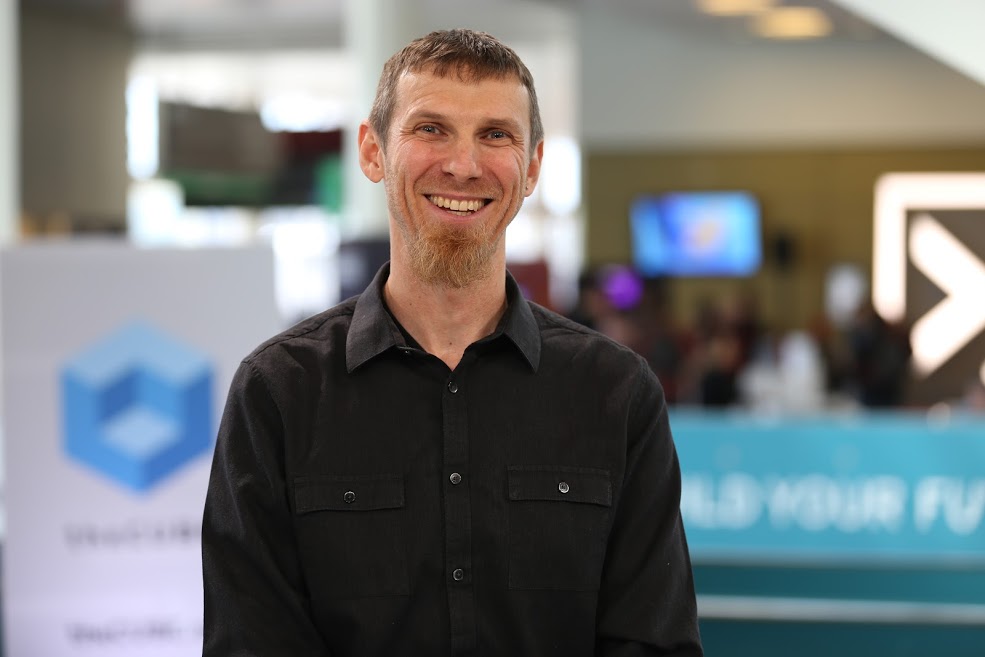
From his position as the chief technology officer for Red Hat Inc., Chris Wright (pictured) can see a future when self-tuning platforms will scale as the need grows. This is autonomic computing or autonomous clouds, and it’s not as far away as it might seem.
“We’ve been working towards autonomic computing for decades,” Wright said. “Things like having this holy grail of a self-healing, self-optimizing, self-driving cluster is not as science fiction as it felt 20 years ago. We are tapping into the next generation of what’s possible.”
Wright spoke with Stu Miniman (@stu) and John Walls (@JohnWalls21), co-hosts of theCUBE, SiliconANGLE Media’s mobile livestreaming studio, during Red Hat Summit in Boston. They discussed the contributions made by Red Hat’s continued work with OpenShift and the importance of industry collaboration through the open-source community (see the full interview with transcript here). (* Disclosure below.)
The potential of autonomic computing is being furthered by Red Hat’s work in both the Linux OS and Kubernetes platform. Red Hat Enterprise Linux Version 8 was released this week, and the firm’s OpenShift container platform is being strengthened with new Kubernetes features.
“I like the idea that in open source we do everyday, incremental improvements,” Wright said. “It’s the culmination of all these improvements over time that unlock new opportunities. We’re building on our history.”
That history also reflects a spirit of collaboration with the goal to make improvements that could affect major industries, such as healthcare. One of the programs that Red Hat offers to accomplish this is Open Data Hub, a machine learning as a service platform that integrates a collection of open-source projects.
“We can bring people together to collaborate on the tools that are needed to be in a framework or stack,” Wright said. “Getting that industry-level collaboration is the key. Let’s have computers crunch numbers and have nurses do what they do best, which is provide care and empathy for the patient.”
Watch the complete video interview below, and be sure to check out more of SiliconANGLE’s and theCUBE’s coverage of Red Hat Summit 2019. (* Disclosure: TheCUBE is a paid media partner for Red Hat Summit. Neither Red Hat Inc., the sponsor for theCUBE’s event coverage, nor other sponsors have editorial control over content on theCUBE or SiliconANGLE.)
Support our mission to keep content open and free by engaging with theCUBE community. Join theCUBE’s Alumni Trust Network, where technology leaders connect, share intelligence and create opportunities.
Founded by tech visionaries John Furrier and Dave Vellante, SiliconANGLE Media has built a dynamic ecosystem of industry-leading digital media brands that reach 15+ million elite tech professionals. Our new proprietary theCUBE AI Video Cloud is breaking ground in audience interaction, leveraging theCUBEai.com neural network to help technology companies make data-driven decisions and stay at the forefront of industry conversations.





